VIP LoungeHyderabad, Telangana, India
Top Body Massage Centres in Hyderabad
Top Body Massage Centres in Hyderabad – Find Wellness & Massage Services Near YouLooking for body massage centres in Hyderabad for relaxation, wellness, muscle...


List services, jobs, products, insurance, mutual funds, real estate, reviews, creator videos and business offers worldwide.
Post Free AdPost a free classified ad, browse current listings and connect with buyers, sellers and service providers across India.
Highest visibility circular showcase for premium listings. This strip appears above every other paid section.


Highlighted Spotlight ads grouped together directly below VIP Lounge.















Spirit Movie 2027: Prabhas’ Dark Cop Avatar, Cast, Crew, Release Date, Story, Trailer, Review…
Read News
Dada Movie 2026: Teaser, Release Date, Cast, Story & Review – Balakrishna’s King of…
Read News
Haindava Movie 2026: Teaser Review, Release Date, Story, Cast & Crew, Trailer, OTT and…
Read News
Jailer 2 Movie Review 2026: Rajinikanth Delivers the Mass Moments, but Does Nelson’s Sequel…
Read News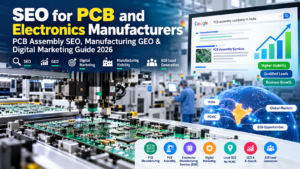
SEO for PCB and Electronics Manufacturers: PCB Assembly SEO, Manufacturing GEO & Digital Marketing…
Read Article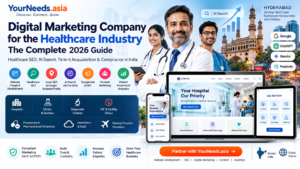
Digital Marketing Company for Healthcare Industry is covered here with practical context, current details…
Read Article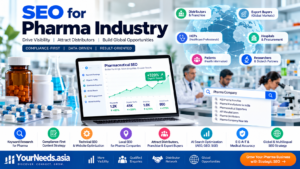
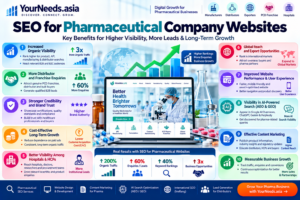
SEO for Pharma Industry: Why Pharma Companies Choose SEO in 2026 A compliance-first guide…
Read Article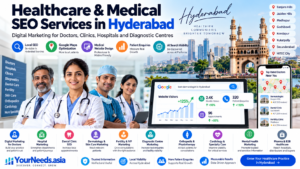
Healthcare & Medical SEO Services in Hyderabad is covered here with practical context, current…
Read Article
Riyadh, Saudi Arabia | October 12, 2026: A devastating missile attack on King Khalid International…

Explore celebrity plastic surgery expectations vs reality and discover how YourNeeds.asia helps plastic surgeons with…

Crazy concept Ganesh Mandap 2026@ Kushaiguda 📍 👌
YourNeeds.asia connects people searching in India with relevant local advertisements and service providers.
YourNeeds.asia helps people discover local businesses, services and classified ads in India, while giving advertisers a detailed public profile they can keep current and share.
Select the correct category and a real service location in India.
Add services, products, hours, images and current contact details.
Help visitors evaluate your business before they make contact.
Country edition: India. Location examples come from the currently activated country dataset.
YourNeeds.asia brings Indian classified ads, business listings and everyday local requirements into one organised platform. Visitors can browse by category, state and city instead of searching through unrelated posts or groups.
Start with a category and location
Choose what you need, select the relevant state and city, and compare available listings. Categories cover property, jobs, vehicles, education, local services, healthcare, shopping, agriculture, business opportunities, community needs and more.
Useful listings answer practical questions
A helpful listing explains what is offered, where it is available, who it is suitable for, the expected price or terms, and how to contact the advertiser. Clear photos and current details make it easier for people to decide whether to enquire.
Popular ways to use YourNeeds.asia
Find homes, rooms and commercial property. Explore jobs and training opportunities. Discover local professionals and businesses. Buy or sell vehicles, products and equipment. Promote a business, event or community activity. Post a genuine requirement when an existing listing does not meet your need.
Use the platform responsibly
Listings are submitted by users and businesses. Verify identity, ownership, qualifications, prices and terms independently before paying or sharing personal information. Report suspicious or misleading content so the directory remains useful for everyone.
Country edition: India. Location examples come from the currently activated country dataset.
YourNeeds.asia organises listings into clear categories so people can move quickly from a broad need to a relevant local result.
Property, housing and moving
Browse homes, plots, commercial spaces, rentals, roommates, packers and movers, storage and related property services. Check ownership, documents and agreements independently.
Jobs, education and training
Explore job openings, part-time work, consultancies, courses, coaching, tutors, skill development and professional training. Applicants should confirm the employer and role before sharing documents.
Local services, health and wellness
Find home services, repairs, beauty and wellness providers, healthcare professionals, restaurants, catering and other everyday services. Review licences, qualifications, pricing and availability directly with the provider.
Vehicles, products and marketplaces
Discover cars, bikes, electronics, household goods, machinery, agricultural products and other items offered for sale. Inspect products and ownership records before completing a transaction.
Business and community opportunities
Explore businesses for sale, startup opportunities, tenders, professional services, events, entertainment, matrimonials, personals and community listings. Each category has its own posting fields so advertisers can add the details that matter.
If a category is missing, use the available category request or contact option. Administrators can review genuine additions that improve the India directory.
Country edition: India. Location examples come from the currently activated country dataset.
A complete listing helps customers understand a business before they call or message. It also reduces unsuitable enquiries and makes comparisons easier.
Use an accurate identity
Enter the real business or service name. Select the closest category and the state and city where the service is genuinely available. Do not add unrelated locations simply to gain attention.
Explain the offer clearly
Describe the product or service, suitable customers, service area, working hours, typical price range and any important conditions. Avoid exaggerated claims that cannot be verified.
Add useful photographs
Upload current photographs, product images or branded artwork that accurately represents the offer. Do not use copyrighted or misleading images. Event listings should include a clear poster and valid start and end dates.
Keep contact details current
Review the phone number, email address, website, price and availability whenever they change. Remove or update a listing when the item is sold, the role is filled or the service is no longer available.
Build trust through consistency
Premium placement can improve visibility, but it does not mean that a listing has been independently verified. Clear information, prompt responses and honest updates are the strongest signals of a dependable advertiser.
Country edition: India. Location examples come from the currently activated country dataset.
People often search with a specific need and location in mind. A structured YourNeeds.asia listing connects your offer with the relevant category, state and city so visitors can understand where you operate.
Reach people looking for a relevant offer
Advertise services, products, property, jobs, vehicles, events, business opportunities and community activities in the category that best represents them. Clear classification helps visitors avoid unrelated results.
Share enough information to earn an enquiry
Add a useful title, a factual description, current photographs, location, price or terms and reliable contact details. A complete listing gives prospective customers a reason to contact you.
Start with free listings
Verified members can use the available free-ad allowance shown on the portal. Optional paid packages provide clearly labelled promotional placement for advertisers who want additional visibility.
Promote responsibly
Publish only genuine offers that you are authorised to advertise. Do not duplicate listings, use misleading prices or make unsupported claims. Update or remove an ad when it is no longer current.
YourNeeds.asia is an advertising and discovery platform. Users should independently verify businesses, products, services and payment terms before making a decision.
Country edition: India. Location examples come from the currently activated country dataset.
People now discover local information through search engines, maps, community recommendations and AI assistants. Across every channel, accurate and well-organised information remains more useful than repeated promotional text.
Structured information improves discovery
YourNeeds.asia connects each listing with a category, state and city. Advertisers can add a clear title, description, photographs, contact details and relevant listing fields. This structure helps visitors understand the offer and navigate to related local pages.
Fresh information serves users better
Old prices, unavailable products and disconnected phone numbers waste time. Advertisers should review their listings regularly and remove anything that is no longer available. Time-based event listings expire after their configured end date.
Local context matters
India is diverse, and availability can vary by state, city and locality. Mention the actual service area, delivery range, language options, hours and important conditions instead of using broad claims.
Quality grows through community participation
Businesses can publish genuine offers, individuals can post items or requirements, employers can share eligible opportunities and organisations can announce relevant activities. Visitors can support the platform by reporting misleading, duplicate or prohibited content.
The goal is simple: make Indian classified ads and local business information easier to find, understand and evaluate.
Explore our latest articles on local businesses, digital growth and community news.
SEO for PCB and Electronics Manufacturers: PCB Assembly SEO, Manufacturing GEO & Digital Marketing Guide (2026) Introduction: Why PCB and Electronics Manufacturers Need SEO…
Digital Marketing Company for Healthcare Industry is covered here with practical context, current details and crawlable information for readers, search engines and AI answer…
SEO for Pharma Industry: Why Pharma Companies Choose SEO in 2026 A compliance-first guide to pharmaceutical SEO, distributor enquiries, medical accuracy, technical optimization and…
Healthcare & Medical SEO Services in Hyderabad is covered here with practical context, current details and crawlable information for readers, search engines and AI…
Healthcare Digital Marketing Agency in India: The 2026 Growth Playbook Medical SEO, AI-search visibility and measurable digital growth strategies for doctors, hospitals, clinics and…
Expert Guide to SEO for Renewable Energy Companies: AI Search, GEO, Industry Marketing & Global Lead Generation in 2026 The Complete Renewable Energy SEO…
The global electronics industry depends on specialized suppliers, including printed circuit board manufacturers, PCB assembly companies, electronics manufacturing services (EMS) providers, component distributors and contract manufacturing partners.
Whether a manufacturer produces bare PCBs, assembles surface-mount components, supports prototype development or offers full turnkey electronics manufacturing, the challenge is similar: how can the right industrial buyers discover the company online?
Procurement managers, OEM sourcing teams, electronics engineers, product designers and industrial purchasing departments increasingly research potential suppliers through search engines, industry directories and AI-assisted research platforms.
Their searches can include:
PCB manufacturing company in India
PCB assembly services near me
SMT PCB assembly manufacturer
Electronics manufacturing services in Hyderabad
Multilayer PCB fabrication companies
Turnkey PCB assembly supplier
PCB prototype manufacturing company
Industrial electronics contract manufacturer
Electronics manufacturing companies in PCMC
PCB assembly services for OEM companies
A manufacturer with strong production capabilities but a poorly structured website may be difficult to discover for these searches.
SEO for PCB and Electronics Manufacturers helps improve the visibility, relevance and usability of manufacturing websites so potential buyers can understand technical capabilities and submit qualified enquiries.
Manufacturers can also explore business discovery and advertising opportunities through YourNeeds.asia, a classifieds, articles and business advertising platform serving businesses across India.
SEO for PCB and electronics manufacturers is the process of optimizing manufacturing websites to improve their visibility in relevant organic search results.
It combines technical SEO, industry-specific keyword research, service-page optimization, useful manufacturing content, local SEO, relevant authority signals and conversion-focused website design.
The goal is not simply to attract visitors. It is to attract people looking for real manufacturing capabilities, such as:
PCB fabrication
SMT assembly
Through-hole assembly
Electronics contract manufacturing
PCB prototyping
Box-build assembly
Component sourcing
Testing and inspection
OEM manufacturing partnerships
Unlike general consumer marketing, electronics manufacturing SEO must account for technical specifications, supplier qualification processes and longer B2B purchasing cycles.
According to the Google Search Central SEO Starter Guide, websites benefit from useful content, clear organization and pages that search engines can understand.
For PCB manufacturers, that means building a website around genuine manufacturing capabilities rather than relying on broad promotional claims.
SEO for a PCB assembly company focuses on improving organic visibility for businesses offering printed circuit board assembly services.
PCB assembly, often abbreviated as PCBA, involves placing and connecting electronic components on fabricated circuit boards to create functional assemblies.
A PCB assembly company’s potential customers may include product development companies, industrial automation manufacturers, medical equipment developers, IoT device companies and other OEMs.
| Keyword group | Search phrases |
|---|---|
| Core services | PCB assembly services, PCB assembly company |
| SMT assembly | SMT PCB assembly, SMT assembly manufacturer |
| Through-hole assembly | Through-hole PCB assembly, THT assembly services |
| Turnkey assembly | Turnkey PCB assembly, full turnkey PCBA |
| Prototyping | Prototype PCB assembly, quick-turn PCBA |
| Contract manufacturing | Contract PCB assembly, electronics contract manufacturer |
| Production | Low-volume PCB assembly, high-volume PCBA |
| Testing | PCB inspection, PCBA functional testing |
Instead of publishing one generic page covering every manufacturing process, companies should develop separate service pages where their offerings justify them.
Examples include:
SMT PCB Assembly Services: Explain supported component types, placement capabilities, production processes and inspection methods.
Through-Hole PCB Assembly: Describe applicable soldering processes, mixed-technology assembly and production considerations.
Turnkey PCB Assembly: Explain component procurement, fabrication coordination, assembly, testing and delivery responsibilities.
Prototype PCB Assembly: Describe prototype support, engineering communication and transition-to-production considerations.
PCB Testing and Inspection: Explain the actual testing processes available, without claiming equipment or certifications the company does not possess.
Manufacturers can consult IPC for information about electronics manufacturing standards, education and industry practices.
A useful service page should also include a prominent Request a Quote option, technical capability information and relevant internal links to other manufacturing services.
PCB manufacturing organic SEO helps bare-board fabrication companies attract buyers searching for specific board types, production technologies and manufacturing requirements.
PCB manufacturing and PCB assembly should not be treated as identical services.
PCB manufacturing typically refers to fabricating the circuit board itself, while PCB assembly involves mounting and connecting electronic components to that board.
Companies offering both should explain their fabrication and assembly capabilities separately.
PCB manufacturing company in India
Printed circuit board manufacturers
Multilayer PCB manufacturing
Double-sided PCB manufacturing
Flexible PCB manufacturing
Rigid-flex PCB fabrication
High-density interconnect PCB manufacturing
PCB prototyping services
Custom PCB fabrication
Quick-turn PCB manufacturing
Industrial PCB manufacturer
High-frequency PCB fabrication
An effective PCB manufacturing website should provide verified information about relevant capabilities.
For example, a multilayer PCB manufacturing page may explain supported layer counts, material options, design constraints, manufacturing tolerances, quality-control procedures and quotation requirements.
A flexible PCB page may explain supported constructions, bend considerations, available materials and application suitability.
Manufacturers should not publish unsupported capability figures merely to rank for technical keywords.
For guidance on useful, reliable content, refer to Google’s people-first content recommendations.
Multilayer PCB Manufacturing Services in India | Custom PCB Fabrication
Explore multilayer PCB fabrication services, manufacturing capabilities, quality processes and quotation requirements for industrial electronics projects.
Electronics manufacturing services companies may provide PCB assembly, component procurement, product assembly, testing, manufacturing integration and related services.
Their websites need to communicate the difference between individual capabilities and complete manufacturing solutions.
SEO for electronics manufacturing
Electronics manufacturing services in India
EMS companies in India
Electronics contract manufacturing
OEM electronics manufacturing services
Industrial electronics manufacturing
Electronics assembly company
Contract electronics manufacturing services
Electronics manufacturing partner
Electronics product assembly services
| Industry | Potential SEO content |
|---|---|
| Industrial automation | Control board manufacturing and industrial electronic assemblies |
| Automotive electronics | Relevant electronics manufacturing and documented quality processes |
| Medical electronics | Applicable quality, traceability and regulatory considerations |
| Telecommunications | Communications electronics assembly and testing |
| Consumer electronics | Product assembly, production scalability and sourcing |
| IoT | Connected-device PCB assembly and prototype-to-production support |
| Renewable energy | Power electronics, control systems and associated assemblies |
| Aerospace | Relevant manufacturing qualifications and applicable compliance requirements |
Industry-specific pages should explain genuine experience and capabilities.
For example, an electronics manufacturer serving industrial automation businesses may benefit from content explaining control-board assembly, production testing and long-term component availability considerations.
Manufacturers can also consult the India Electronics and Semiconductor Association (IESA) for electronics ecosystem information and industry initiatives.
Digital marketing for PCB assembly companies combines search visibility, paid advertising, technical content and B2B relationship development.
An effective industrial marketing strategy should address the entire purchasing journey, from initial supplier discovery to technical evaluation and quotation.
Organic SEO develops long-term visibility for relevant manufacturing searches.
This includes technical optimization, service pages, manufacturing content and qualified enquiry pathways.
Manufacturers should follow Google’s search documentation when planning their website architecture and organic search strategy.
Google Ads can help manufacturers reach users searching for specific fabrication and assembly services.
Potential campaigns may target terms such as:
PCB assembly quotation
SMT assembly manufacturer
Prototype PCB fabrication
Electronics contract manufacturing services
Advertising should lead to relevant service pages rather than a generic homepage whenever possible.
LinkedIn Marketing Solutions offers advertising options for reaching professional audiences.
Manufacturers may use LinkedIn to share technical capabilities, manufacturing updates, case studies and relevant company information with engineering and procurement audiences.
Technical articles can address genuine manufacturing questions, such as the differences between SMT and through-hole assembly, factors affecting PCB fabrication costs or the information needed for a quotation.
These resources should naturally connect readers to relevant services.
Industry directories and general business discovery platforms can provide additional channels for presenting accurate company information.
Manufacturers can publish relevant service advertisements and business descriptions through platforms such as YourNeeds.asia, subject to available categories and posting rules.
A listing should describe real capabilities, supported locations, genuine credentials and reliable contact details.
Digital marketing for manufacturing businesses in PCMC focuses on improving online visibility for industrial companies in the Pimpri-Chinchwad region of Pune, Maharashtra.
PCMC and the wider Pune industrial area include businesses involved in engineering, automotive supply chains, electronics, industrial equipment and related manufacturing activities.
Manufacturers serving this region may benefit from geographically relevant SEO, accurate business profiles, technical content and B2B lead-generation campaigns.
Digital marketing for manufacturing businesses in PCMC
Manufacturing SEO agency in Pimpri-Chinchwad
Industrial SEO services in Pune
PCB assembly companies in PCMC
Electronics manufacturing companies in Pimpri-Chinchwad
SEO for engineering companies in Bhosari
Digital marketing for manufacturers in Chakan
B2B lead generation for manufacturing companies in Pune
Industrial digital marketing agency in PCMC
Businesses genuinely operating in or serving industrial areas such as Bhosari, Pimpri, Chinchwad, Akurdi, Talawade and Chakan can develop useful local content.
For example:
PCB Assembly Services in Pimpri-Chinchwad, Pune
Such a page should explain the manufacturer’s actual service area, technical capabilities, quotation process and relevant contact details.
It should not simply repeat a national PCB assembly article with the city name changed.
Eligible businesses can use Google Business Profile to maintain accurate business information.
Important details may include the actual company name, business category, operating address, contact details, photographs and relevant business information.
Manufacturers should not create fictional offices or duplicate profiles to target additional locations.
Generative Engine Optimization (GEO) is an industry term describing practices intended to improve the discoverability and interpretability of content in generative AI search experiences.
For electronics manufacturers, GEO begins with accurate, accessible and useful technical information.
A potential buyer might ask an AI assistant:
Which PCB assembly companies support low-volume production?
How do I compare electronics manufacturing services providers?
What should I check before selecting a PCB manufacturer?
Which PCB assembly suppliers offer turnkey manufacturing?
What technical details should I provide when requesting a PCBA quotation?
A manufacturer that clearly explains these subjects may provide more useful information for search and research systems.
1. Publish detailed manufacturing capabilities. Explain actual processes, supported technologies, quality procedures and production considerations.
2. Answer technical questions directly. Provide concise explanations of manufacturing terminology and supplier selection criteria.
3. Maintain consistent business information. Keep the company name, location, contact details and service descriptions accurate.
4. Publish original technical resources. Share genuine expertise, manufacturing guidance and authorized case studies.
5. Use clear website structure. Organize pages with descriptive headings, tables, internal links and accessible HTML content.
6. Keep information current. Update capabilities, equipment information, certifications and relevant policies as they change.
Google explains how website owners should approach AI-powered search experiences in its AI features and your website documentation.
Important: No agency can guarantee that a manufacturer will be cited or recommended by ChatGPT, Gemini, Perplexity or Google AI Overviews.
Businesses searching for “The #1 Manufacturing SEO & GEO Agency” should examine demonstrated expertise rather than relying on self-declared rankings.
Manufacturing SEO requires knowledge of technical terminology, supplier qualification, long sales cycles and RFQ-driven conversions.
A suitable agency should be able to explain how it will:
Identify commercially relevant manufacturing keywords.
Audit technical SEO and website architecture.
Develop accurate service and capability pages.
Support local and international visibility.
Build useful technical content.
Improve RFQ conversion pathways.
Measure qualified leads and commercial outcomes.
Report progress transparently.
Stage 1 — Website and competitor audit
Review technical issues, current organic visibility, website structure and competing search results.
Stage 2 — Industrial keyword research
Group keywords by manufacturing service, technology, industry, location and buyer intent.
Stage 3 — Service-page development
Create accurate pages for PCB fabrication, SMT assembly, turnkey PCBA, EMS and other genuine services.
Stage 4 — Technical content and authority
Publish relevant manufacturing guides, comparisons, original resources and verifiable company information.
Stage 5 — Local and international SEO
Optimize pages for legitimate service locations and target markets.
Stage 6 — Conversion and performance measurement
Monitor qualified RFQs, lead quality, quotations and attributable business outcomes.
Manufacturers can use Google Search Console to monitor organic search performance and identify indexing issues.

A manufacturing website must serve two audiences: search engines that need to discover and understand its pages, and industrial buyers who need accurate technical information.
Many PCB manufacturers publish most of their capabilities in downloadable brochures or PDFs. These resources are useful, but important service information should also appear directly on accessible HTML pages.
| SEO component | Recommended implementation |
|---|---|
| Website structure | Separate fabrication, assembly, EMS, testing and industry pages |
| Mobile optimization | Ensure specifications, navigation and RFQ forms work on mobile |
| Page performance | Improve loading speed and responsiveness |
| Internal linking | Connect relevant manufacturing services and technical articles |
| Image optimization | Use descriptive filenames and accurate alternative text |
| Indexability | Ensure important public pages are crawlable and indexable |
| Canonical URLs | Prevent unintended duplicate versions |
| Structured data | Use appropriate Organization, BreadcrumbList and other supported markup |
| Technical resources | Publish useful capability information in HTML |
| Conversion tracking | Measure RFQ forms, calls and qualified enquiries |
Manufacturers can test individual pages using Google PageSpeed Insights and review technical performance through Google Search Console.
Consider an engineer searching for a manufacturer capable of assembling a particular board configuration.
If the company’s website provides only a general description such as “We offer world-class electronics manufacturing,” the engineer may not have enough information to determine whether the supplier is suitable.
A better website explains actual production capabilities, inspection methods, supported technologies and the information required for a quotation.
This improves both the user experience and the usefulness of the page for relevant search queries.
Search visibility alone does not guarantee qualified enquiries.
An effective electronics manufacturing website must help potential customers move from research to supplier evaluation and quotation.
A PCB manufacturing website should include a clear company overview, manufacturing capability pages, verified certifications, actual factory photographs, technical resources and easy-to-find contact information.
Where appropriate, it should also provide a secure RFQ submission process.
| Field | Purpose |
|---|---|
| Customer name and company | Identify the prospective buyer |
| Email and contact details | Support quotation communication |
| Service required | PCB fabrication, assembly, testing or turnkey manufacturing |
| Board specifications | Capture relevant technical requirements |
| Estimated quantity | Understand prototype or production needs |
| Required delivery date | Assess scheduling expectations |
| Technical file upload | Receive Gerber files, BOMs or assembly documents where applicable |
| Additional requirements | Capture inspection, packaging or other project needs |
Sensitive manufacturing files should be protected using appropriate access controls and secure transmission.
For analytics and conversion measurement, manufacturers can use Google Analytics alongside their CRM or enquiry-management system.
Technical content marketing can support both early-stage research and commercial supplier discovery.
Rather than publishing unrelated blog posts, manufacturers should build a library of resources that answers questions commonly encountered during PCB design, fabrication, assembly and sourcing.
| Article topic | Search intent | Suggested internal link destination |
|---|---|---|
| PCB Manufacturing vs PCB Assembly | Educational | Actual fabrication and PCBA service pages |
| SMT vs Through-Hole PCB Assembly | Technical comparison | SMT and THT service pages |
| What Is Turnkey PCB Assembly? | Service research | Turnkey assembly page |
| How to Prepare a BOM for PCB Assembly | Engineering guidance | RFQ or assembly page |
| Prototype PCB Assembly vs Mass Production | Supplier evaluation | Prototype assembly page |
| PCB Manufacturing Cost Factors | Commercial research | Fabrication quotation page |
| How to Choose an EMS Provider | Supplier selection | EMS services page |
| PCB Inspection and Testing Methods | Quality research | Testing capabilities page |
| PCB Design-for-Manufacturing Guidelines | Technical education | Manufacturing capabilities page |
| PCB Assembly Services in India | Commercial and location intent | Relevant verified manufacturer listings |
For industry terminology and manufacturing standards, relevant technical content can reference IPC.
A technical article about SMT assembly might explain that surface-mount technology is widely used in electronics production, then link to the manufacturer’s actual SMT assembly service page.
A separate article on PCB manufacturing costs could explain the influence of board dimensions, materials, layer counts, quantities and fabrication complexity before linking to an appropriate quotation page.
These connections help users move naturally from learning about a subject to exploring a relevant service.
PCB and electronics manufacturing companies may serve local industrial customers, buyers throughout India or international procurement teams.
Their SEO strategy should reflect their genuine operating locations and commercial markets.
| Location | Relevant keyword examples |
|---|---|
| Hyderabad | PCB assembly services in Hyderabad, electronics manufacturing companies in Hyderabad |
| Bengaluru | PCB manufacturers in Bengaluru, SMT assembly services in Bengaluru |
| Chennai | Electronics manufacturing services in Chennai, PCB fabrication companies in Chennai |
| Pune | PCB assembly companies in Pune, electronics contract manufacturing in Pune |
| Pimpri-Chinchwad | PCB assembly services in PCMC, industrial electronics manufacturers in Pimpri-Chinchwad |
| Noida | PCB manufacturers in Noida, electronics manufacturing services in Noida |
| Ahmedabad | PCB fabrication companies in Ahmedabad, electronics manufacturers in Ahmedabad |
These are keyword opportunities, not claims that specific verified suppliers are currently available in every location.
Electronics manufacturers targeting international buyers should explain their actual export capabilities, production processes, quality documentation, communication arrangements and relevant commercial requirements.
Where separate language or regional website versions exist, Google’s localized versions documentation explains how hreflang can help identify appropriate versions.
Creating multiple near-identical country pages without meaningful regional differences is not a substitute for a genuine international SEO strategy.
Some manufacturing websites struggle with organic visibility because they lack useful service information or rely on generic marketing descriptions.
Common mistakes include:
Using the same content for PCB fabrication, PCB assembly and EMS services.
Publishing thin pages containing only keywords and contact details.
Claiming manufacturing capabilities or certifications without evidence.
Targeting irrelevant high-volume searches instead of qualified B2B demand.
Creating duplicate city pages with only the location name changed.
Hiding important technical specifications inside inaccessible documents.
Neglecting RFQ forms and enquiry tracking.
Ignoring mobile usability and website performance.
Using excessive unrelated backlinks.
Measuring success only through rankings rather than qualified enquiries.
Manufacturers should follow Google’s spam policies and prioritize genuinely useful pages over mass-produced search-engine content.
For industrial businesses, SEO success should be connected to commercial outcomes.
A PCB assembly company receiving 50 highly relevant enquiries may achieve better results than a company attracting thousands of visitors who are researching electronics as a hobby.
| KPI | What it measures |
|---|---|
| Organic impressions | Visibility for relevant search queries |
| Organic clicks | Search traffic reaching the website |
| Non-branded keyword performance | Visibility beyond searches for the company name |
| RFQ submissions | Manufacturing quotation requests |
| Qualified RFQs | Enquiries matching production capabilities |
| Lead-to-quotation rate | Enquiries progressing to formal quotations |
| Quotation-to-order rate | Commercial conversion effectiveness |
| Organic-attributed revenue | Revenue reasonably attributable to organic acquisition |
Google Search Console can provide search performance data, while Google Analytics can help measure website interactions and configured conversion events.
A CRM or quotation-management system is generally needed to understand the quality and commercial outcomes of enquiries.
YourNeeds.asia is an Indian classifieds, article publishing and business discovery platform.
It provides opportunities for businesses to present relevant products and services to prospective customers through available advertising and content sections.
PCB manufacturers, electronics assembly companies, EMS providers, industrial suppliers and related businesses can use relevant platform features to describe their genuine capabilities.
PCB fabrication manufacturers.
PCB assembly and PCBA service providers.
SMT and through-hole assembly companies.
Electronics manufacturing services providers.
Electronics component distributors.
Industrial electronics suppliers.
PCB prototyping service providers.
Electronics testing and inspection businesses.
Industrial automation component suppliers.
Electronics product development and engineering service providers.
An effective advertisement should clearly state the actual company name, business location, available manufacturing services, supported technologies, verified credentials, production considerations and contact information.
Where appropriate, manufacturers can include authorized factory photographs, genuine capability statements and enquiry instructions.
Example advertisement title:
PCB Manufacturing & Assembly Services in India | SMT, Turnkey PCBA & Electronics Manufacturing
Example advertisement description:
We provide PCB manufacturing and electronics assembly services for businesses requiring printed circuit board fabrication, SMT assembly, through-hole assembly, prototype support and related production solutions. Contact us with your technical requirements to discuss available capabilities, production quantities and quotation details.
Businesses should adapt this example to their real services rather than claiming every listed capability.
Explore YourNeeds.asia for available business advertising, classified listing and article publishing opportunities.
When this article is published, its internal links should connect to the site’s actual relevant category, subcategory and location pages.
Recommended anchor texts include PCB Manufacturing Services, Electronics Manufacturing Companies, Industrial SEO Services, Digital Marketing Services, Manufacturing Businesses in Pune, and Post a Business Advertisement.
Each anchor should point to a verified, existing URL. Until those destinations are confirmed, the YourNeeds.asia homepage remains the safe platform entry point.
SEO for PCB and electronics manufacturers is the process of optimizing manufacturing websites to improve organic visibility for searches related to PCB fabrication, PCB assembly, EMS and other electronics manufacturing services.
A PCB assembly company can improve its website structure, publish accurate service pages, address technical search queries, develop relevant content and maintain a sound technical SEO foundation. Rankings are not guaranteed.
PCB manufacturing organic SEO focuses on attracting unpaid search traffic from relevant queries about bare-board fabrication, PCB types, manufacturing processes and supplier capabilities.
Common keywords include PCB assembly services, SMT PCB assembly, turnkey PCBA, prototype PCB assembly, electronics contract manufacturing and relevant location-based variations.
PCB manufacturing SEO targets fabrication-related services, while PCB assembly SEO targets component placement, soldering, inspection and assembled-board production.
Digital marketing can help electronics manufacturers reach potential buyers through search engines, professional networks, industry content and targeted advertising. Results depend on execution, competition and commercial fit.
Manufacturers can combine detailed capability pages, relevant SEO keywords, technical resources, targeted advertising, professional outreach and effective RFQ forms.
GEO refers to practices intended to make technical and business information easier to discover and interpret in AI-assisted search environments. It does not guarantee AI citations or recommendations.
Yes. Companies genuinely operating in or serving Pimpri-Chinchwad can use relevant location pages, accurate business details and local search optimization to improve discoverability.
SEO costs depend on the website’s condition, competition, number of services, geographic targets, content requirements and technical implementation. Businesses should request a proposal based on their actual needs.
SEO typically requires sustained effort over several months. The timeline depends on competition, website history, technical issues and content quality, with no guaranteed ranking date.
SEO can support long-term organic visibility, while Google Ads may provide faster access to relevant paid search traffic. Many manufacturers benefit from combining both channels.
Only when the business genuinely serves those locations and each page provides substantial, useful local information. Mass-produced duplicate location pages should be avoided.
Yes. LinkedIn can support professional visibility, technical content distribution and relevant B2B outreach, depending on the target audience and marketing strategy.
Useful reports should cover relevant organic visibility, technical improvements, qualified RFQs, lead quality, quotation opportunities and business outcomes where measurable.
PCB assembly and electronics manufacturing businesses can explore relevant advertising opportunities on YourNeeds.asia, subject to the platform’s available categories and posting requirements.
SEO for PCB and electronics manufacturers is no longer limited to placing manufacturing keywords on a homepage.
An effective strategy requires a technically sound website, detailed manufacturing capability pages, relevant industrial search terms, useful technical resources, location-specific information and a clear path to requesting quotations.
For PCB assembly companies, organic SEO can help potential buyers discover SMT, through-hole, prototype and turnkey assembly capabilities.
For electronics manufacturing services providers, digital marketing can support supplier discovery, industry positioning and qualified B2B enquiries.
For manufacturers in Pune and PCMC, location-relevant content and accurate business information can help connect genuine industrial capabilities with relevant local searches.
And for companies exploring GEO, the priority remains clear: publish reliable, accessible and technically meaningful information that helps buyers evaluate manufacturing suppliers.
The ultimate objective is not simply more traffic. It is better visibility among the engineers, sourcing teams, OEMs and procurement professionals who need the services a manufacturer can actually provide.
Whether your business specializes in PCB fabrication, electronics assembly, EMS, industrial components or related manufacturing services, a clear and accurate business advertisement can help prospective customers understand what you offer.
Digital Marketing Company for Healthcare Industry is covered here with practical context, current details and crawlable information for readers, search engines and AI answer engines.
Healthcare Digital Marketing Services for Hospitals, Clinics, Doctors, Diagnostic Centres, IVF Clinics, Pharmacies, Pharmaceutical Companies and Healthtech Businesses
A digital marketing company for the healthcare industry helps hospitals, doctors, clinics, diagnostic centres, pharmacies and healthtech organizations improve online visibility, publish trustworthy information and generate relevant enquiries.
Its services can include healthcare website development, medical SEO, local search optimization, content marketing, permitted Google Ads campaigns, social media management, AI-search readiness and privacy-aware analytics.
Unlike general business marketing, healthcare marketing must also account for medical advertising requirements, professional credibility, patient confidentiality and the consequences of inaccurate information.
At YourNeeds.asia, we approach healthcare digital marketing as a combination of credible information, accessible technology, relevant search visibility and meaningful business enquiries.
The objective is to make genuine healthcare services easier to discover and understand—not to manufacture authority, guarantee outcomes or exploit patient concerns.
Healthcare marketing differs from ordinary commercial advertising because the audience may be making decisions that affect health, safety and personal finances.
A hospital visitor may be comparing available departments and doctor qualifications.
A patient searching for a diagnostic laboratory may need test preparation instructions and accurate operating hours.
A healthcare startup may be researching enterprise software vendors.
A pharmaceutical distributor may be looking for manufacturing capabilities and commercial contacts.
Each audience has a different search intent.
| Factor | Why it matters | Appropriate marketing response |
|---|---|---|
| Medical accuracy | Incorrect information can cause harm | Qualified review and reliable references |
| Professional conduct | Advertising may be regulated | Documented compliance approval |
| Patient privacy | Enquiries may contain sensitive information | Data minimization and secure workflows |
| Trust | Patients need genuine credentials and services | Verifiable organizational information |
| Search complexity | Users search across Google, Maps and AI systems | Integrated SEO and content architecture |
Google considers health-related information part of its Your Money or Your Life category.
Content that could affect a person’s wellbeing should demonstrate a particularly high degree of trustworthiness.
For healthcare websites, that means providing accurate information, clearly identifying responsible organizations, avoiding unsupported claims and applying appropriate professional review.
Google’s helpful, reliable, people-first content guidance provides an important starting point.
A statement such as “guaranteed treatment success” is not a substitute for evidence.
Healthcare organizations should instead explain their genuine services, facilities, qualifications, consultation processes and relevant limitations.
Credibility should come from verifiable facts.
Healthcare marketing requires attention to three overlapping areas: professional conduct, privacy law and advertising-platform rules.
These obligations should be assessed for each organization and campaign.
The National Medical Commission listed “Guidelines on Ethical Advertising and Public Communication by Hospitals/Medical Institutions and Registered Medical Practitioners” on October 6, 2026.
Official document: NMC Ethical Advertising and Public Communication Guidelines
Published reporting describes restrictions involving misleading promotion, exaggerated medical claims, testimonials, endorsements and other advertising practices.
However, the exact legal treatment of any activity must be established from the complete official document, including its definitions, scope and applicable professional requirements.
A marketing agency should not assume that all healthcare organizations are subject to identical rules.
| Activity | Recommended approach |
|---|---|
| Doctor and hospital information | Use genuine, verifiable facts |
| Educational health articles | Apply clinical review and reliable sourcing |
| Patient testimonials | Check professional rules and platform policies before promotional use |
| Before-and-after imagery | Review for accuracy, consent and advertising restrictions |
| Influencer campaigns | Assess professional conduct and endorsement rules |
| AI-generated promotional material | Avoid deceptive or fabricated representations |
| Rankings and awards | Publish only independently supportable claims |
| Public reviews | Never buy, fabricate or incentivize misleading reviews |
India’s Digital Personal Data Protection framework affects how organizations handle digital personal information.
Healthcare marketing teams should examine how information is collected, stored, accessed, shared and retained.
Important questions include:
The applicability and commencement of individual provisions must be checked against current official notifications.
For primary government information, refer to the Ministry of Electronics and Information Technology.
Google, Meta and other advertising platforms maintain healthcare-related restrictions.
A campaign that satisfies one platform’s policy may still require review under applicable professional and consumer-protection rules.
The safest operational approach is to approve healthcare marketing through a documented clinical, legal and marketing review process appropriate to the content.
YourNeeds.asia is a Hyderabad-based digital technology and marketing company established in 2011.
Its broader services include website design, WordPress development, custom development, SEO, local search and digital marketing.
For healthcare projects, these capabilities can be organized into a practical planning framework.
| CARE pillar | Objective | Example deliverables |
|---|---|---|
| C — Credibility | Communicate genuine expertise | Verified doctor profiles, accurate services, reviewed content |
| A — Accessibility | Help people use the website easily | Responsive design, readable pages, accessible forms |
| R — Relevance | Match genuine search intent | Department pages, FAQs, local information, educational guides |
| E — Enquiries | Support appropriate next steps | Appointment pathways, contact forms, relevant analytics |
CARE is a YourNeeds.asia editorial planning model, not an official Google ranking framework or medical certification.
A hospital may need extensive department and facility information.
An individual doctor may need a focused professional website.
A diagnostic laboratory may need test information and collection-centre pages.
A healthtech company may need product documentation and enterprise enquiry pathways.
The framework stays consistent while the actual website and marketing strategy change according to the audience.
For additional context, explore Healthcare Digital Marketing Agency in India: Doctor SEO & AI Search.
Healthcare digital marketing should support the entire information and enquiry journey rather than focus only on traffic acquisition.
A person searches for a healthcare service, location or relevant information through Google, Maps or another discovery channel.
Digital requirement: Accurate, discoverable service and location information.
The visitor reviews departments, services, facilities and available consultation options.
Digital requirement: Clear navigation and substantive service pages.
The visitor examines qualifications, organizational information, accessibility and relevant practical details.
Digital requirement: Verifiable credentials and transparent information.
The visitor contacts the organization to ask a question or clarify availability.
Digital requirement: Reliable contact pathways.
Where applicable, the visitor requests an appointment.
Digital requirement: Accessible booking forms and appropriate privacy notices.
The person may need instructions about the appointment or diagnostic process.
Digital requirement: Clinically reviewed preparation information.
Clinical services take place through the healthcare provider’s actual care process.
Digital requirement: Accurate operational information, not promotional interference with clinical decisions.
Appropriate post-visit communication may occur through authorized channels.
Digital requirement: Secure, consent-aware communication.
People may return for reliable education, future service information or permitted reminders.
Digital requirement: Useful, current information and appropriate communication preferences.
Each stage has a different user need.
A person seeking general information should not be pushed immediately into an aggressive sales funnel.
A person trying to book an appointment should not have to navigate a lengthy educational article before finding contact details.
Effective healthcare website design connects the right information to the right stage of the journey.
A healthcare marketing engagement can include the following services.
| Service | Main purpose | Key consideration |
|---|---|---|
| Healthcare website design | Present information clearly | Mobile usability and accessibility |
| Hospital website development | Organize departments and locations | Accurate institutional information |
| Healthcare SEO | Improve organic discovery | Trustworthy, useful content |
| Local SEO | Support facility discovery | Genuine business locations |
| AEO and GEO planning | Improve content clarity for AI-driven experiences | No citation guarantees |
| Medical content marketing | Explain relevant topics | Qualified review |
| Google Ads | Reach eligible audiences | Healthcare advertising restrictions |
| Social media | Share useful updates and education | Professional conduct |
| Analytics | Evaluate digital performance | Privacy-aware measurement |
| CRM integration | Organize permitted enquiries | Appropriate access and consent |
| Maintenance | Keep websites functional | Security and content updates |
Services should be selected according to the organization’s real needs, not bundled indiscriminately.
A healthcare website is often the central destination for search, advertising and business enquiries.
It should make important information easy to access, particularly for visitors using mobile devices or searching under stressful circumstances.
A professional healthcare website may require:
Hospitals may require department directories, doctor listings, branch-specific information, appointment pathways and patient preparation resources.
Clinics may benefit from concise service pages, practitioner information, location details and straightforward appointment enquiries.
Diagnostic websites may need test descriptions, verified preparation instructions, collection-centre information and secure report-access arrangements.
Accessibility should be considered during design and development rather than added only after launch.
The Web Content Accessibility Guidelines (WCAG 2.2) provide an internationally recognized framework.
HTTPS alone does not establish a secure healthcare website.
Appropriate controls may include access management, updates, backups, secure form handling and careful management of third-party integrations.
Explore the broader development capabilities at the YourNeeds.asia company website.
Healthcare SEO helps eligible pages become more accessible and relevant to search engines and users.
A strong strategy combines technical implementation, useful content, accurate organizational information and internal linking.
Important elements include crawlability, canonical URLs, XML sitemaps, mobile usability, Core Web Vitals and indexable content.
Structured data should accurately match visible page information.
A useful medical service page should explain:
Content should address real questions rather than mechanically repeat keywords.
For example, a diagnostic centre may explain how a test is performed and what preparation information patients should confirm with the laboratory.
A qualified professional should review medical instructions.
Experience, Expertise, Authoritativeness and Trustworthiness are concepts used in Google’s search quality evaluation framework.
For healthcare content, transparent authorship, appropriate expertise, genuine sources and clear editorial responsibility are important.
These practices support quality but do not guarantee rankings.
For technical fundamentals, see the Google SEO Starter Guide.
Local healthcare discovery depends heavily on accurate business information.
Eligible organizations should maintain accurate names, addresses, categories, contact information, hours and genuine photographs.
Individual practitioner information should be accurate and consistent with applicable Google Business Profile rules.
Clinic pages should clearly identify the real location, services and consultation arrangements.
Each genuine hospital branch may need a dedicated page containing unique, useful information.
Do not purchase or fabricate reviews.
Public responses should never disclose patient information or confirm treatment details.
Hyderabad healthcare searches may reference Gachibowli, Madhapur, Kondapur, Banjara Hills, Jubilee Hills, Kukatpally, Secunderabad, Miyapur and other localities.
Healthcare organizations should create location pages only for real facilities or genuinely useful service-area information.
For related services, see Healthcare Digital Marketing Hyderabad.
AI-driven search can present information differently from traditional search results.
However, the underlying need for accurate, accessible and useful content remains.
Answer Engine Optimization is an industry term for presenting information in a way that clearly answers user questions.
A healthcare website might include concise, medically reviewed explanations followed by supporting details.
Generative Engine Optimization refers to practices intended to improve how AI-driven systems discover, interpret and reference content.
LLM SEO is an informal term for work related to content representation in large-language-model-based systems.
These terms overlap with conventional SEO.
Google states that foundational SEO practices remain relevant for AI Overviews and AI Mode.
It does not require special AI schema, AI-only files or a particular content length.
A page must meet Google’s technical eligibility requirements to appear as a supporting link in its AI search features.
See Google’s AI Features and Your Website guidance.
Google’s Search Console documentation provides guidance on measuring performance in generative AI search experiences.
Third-party AI mention tracking can be used as supplementary research, but its results should not be presented as a complete measurement of AI visibility.
For a more detailed explanation, read Google’s Guide to Optimizing for Generative AI Features.
Hospital marketing requires coordination across departments, locations and service categories.
Create accurate department pages with relevant service information and genuine location details.
Publish useful information about appointments, facilities, preparation and medically reviewed educational topics.
Monitor feedback without compromising patient confidentiality.
Make appointment pathways easy to locate without using misleading urgency or unsupported promises.
Track appropriate enquiries, service-page performance and user experience.
Independent practitioners and smaller clinics often need a more focused digital presence.
Doctor profiles should identify genuine qualifications, specialties, registration details where appropriate and consultation arrangements.
Content can explain available consultations and general educational topics, with appropriate review of treatment-related claims.
Dental websites may provide preventive education, service information and appointment details.
Physiotherapy websites can explain genuine services, practitioner qualifications and facility accessibility.
Mental-health content requires careful attention to privacy, sensitive targeting and vulnerable audiences.
For related marketing information, visit Digital Marketing for Doctors in Hyderabad — YourNeeds.asia.
Fertility-related searches may involve sensitive personal circumstances.
Useful content may explain consultation processes, relevant terminology and questions patients can discuss with qualified clinicians.
Avoid guaranteed pregnancy claims.
Any published success statistics should be appropriately sourced, defined and contextualized.
Make consultation information and appropriate contact options easy to find.
Avoid collecting unnecessary sensitive information in marketing forms.
Diagnostic laboratories often need practical, location-specific information.
Create pages for genuinely available tests and collection centres.
Publish verified preparation instructions and test information.
Maintain accurate branch addresses, operating hours and service details.
Measure appropriate enquiries without exposing identifiable test results or patient records to advertising systems.
Pharmaceutical and medical technology businesses often target professional buyers rather than patients.
Corporate content can describe legitimate manufacturing capabilities, business services and permitted product information.
Provide appropriate enquiry pathways for commercial buyers.
Publish accurate specifications, documentation and procurement information.
Useful topics may include technology capabilities, implementation approaches, product documentation and regulatory information where appropriate.
Clear, trustworthy corporate information can support discoverability, but marketing claims remain subject to applicable restrictions.
Paid healthcare advertising requires careful policy review.
Campaigns should use accurate service descriptions and eligible targeting.
Google’s April 2026 policy update allows qualifying certified online pharmacies to apply to promote prescription-drug services in India.
Promotion of prescription drugs themselves in ads or landing pages remains restricted.
Official references:
Google Ads Healthcare and Medicines Policy
April 2026 India Healthcare Policy Update
Healthcare advertisers should not assume they can use medical conditions or treatment interests for personalized remarketing.
Landing pages should contain genuine provider information, clear service details, suitable contact pathways and appropriate privacy notices.
Healthcare social media should prioritize accuracy and professional responsibility.
Relevant formats may include public-health information, general explainers, facility updates and approved operational announcements.
Qualified professionals can help explain complex topics accurately.
AI may support drafting and editing, but medical claims need human verification.
Do not fabricate patients, clinical outcomes, practitioner endorsements or testimonials.
A practical process is:
Brief → Draft → Clinical review → Compliance review → Privacy review → Approval → Publication → Scheduled update
The exact review steps should reflect the organization and applicable rules.
| Industry | Main digital priorities | Important safeguard |
|---|---|---|
| Hospitals | Department SEO, locations, appointment information | Accurate clinical claims |
| Doctors | Professional profiles, local discovery | Applicable conduct rules |
| Dental clinics | Service information, education | No misleading outcome claims |
| Dermatology clinics | Consultation pages, educational content | Appropriate imagery and claims |
| IVF clinics | Sensitive, reviewed information | Privacy and realistic expectations |
| Diagnostic labs | Test information, local discovery | Correct preparation instructions |
| Pharmacies | Eligible services, business information | Medicines advertising policies |
| Pharmaceutical companies | Corporate and B2B content | Product and regulatory compliance |
| Healthtech companies | Product education, enterprise leads | Accurate security and privacy claims |
| Medical tourism providers | Multilingual information | Cross-border legal requirements |
Healthcare marketing performance should be evaluated at multiple stages.
| Stage | Metrics |
|---|---|
| Discovery | Search impressions, organic clicks, relevant local visibility |
| Engagement | Service-page visits, navigation, useful interactions |
| Enquiries | Calls, permitted form submissions, appointment requests |
| Conversion | Relevant enquiry rate |
| Operations | Qualified appointments, where lawfully measurable |
| Trust and compliance | Content corrections, approval completion, privacy incidents |
If a clinic receives 2,000 website sessions and 60 appointment enquiries:
Enquiry conversion rate = 60 ÷ 2,000 × 100 = 3%.
This is a hypothetical example.
It does not establish the number of confirmed appointments or patients.
A useful report should explain what changed, which pages improved, what enquiries were recorded, what limitations exist in attribution and what actions are recommended next.
Avoid reporting vanity metrics without business context.
Healthcare marketing pricing varies with service scope, competition, locations and review requirements.
May include ongoing SEO, content, local search and reporting.
Often used for website development, redesign, technical audits and migrations.
Agency management fees should be distinguished from actual advertising spend.
A professional proposal should identify:
There is no universal healthcare marketing price that applies to every organization.
Before hiring an agency, healthcare organizations should assess its technical capabilities and operational safeguards.
Avoid agencies that offer guaranteed rankings, fabricated reviews, invented case studies, unsupported medical claims or misleading assurances of universal compliance.
YourNeeds.asia offers website development, SEO and digital marketing capabilities that can be adapted to healthcare organizations.
Any specialized clinical review, legal assessment or advanced healthcare integration should be defined in the project scope.
Review website structure, technical SEO, existing content, local listings, forms, advertising policies and privacy-sensitive data flows.
Prioritize important service pages, accurate practitioner information, useful content, accessible contact pathways and technical fixes.
Evaluate relevant discovery, enquiries, content performance and operational issues.
Establish a schedule for ongoing review.
This is an implementation roadmap, not a guaranteed ranking or patient-acquisition timeline.
Healthcare organizations need strategies that reflect real facilities, specialties and service areas.
Relevant locations may include Gachibowli, Kondapur, Madhapur, Kukatpally, Banjara Hills, Jubilee Hills and Secunderabad.
Pages should reflect genuine service coverage rather than fabricated local presence.
Organizations in Bengaluru, Mumbai, Chennai, Pune, Delhi NCR, Ahmedabad, Kolkata and other markets may require region-specific content.
English, Telugu, Hindi, Urdu and other languages may be useful depending on the audience.
Medical translations should be reviewed for accuracy.
Campaigns targeting international audiences require additional review of applicable advertising and privacy obligations.
Explore these related resources for further information.
Healthcare Digital Marketing Agency in India: Doctor SEO & AI Search
Digital Marketing for Doctors in Hyderabad
Healthcare Digital Marketing Hyderabad
YourNeeds.asia Company Website
YourNeeds.asia — Main Platform
Additional healthcare-related URLs should be incorporated after confirming their live status and relevance.
A healthcare digital marketing company helps hospitals, clinics, doctors and other healthcare organizations improve online discovery and manage relevant enquiries through websites, SEO, content and permitted advertising.
Healthcare SEO improves the accessibility, relevance and quality of healthcare website content for appropriate search queries.
Medical SEO is a term commonly used for SEO work involving medical practitioners, clinics and healthcare information.
Local SEO helps eligible clinics communicate accurate location and service information to nearby searchers.
The answer depends on applicable professional rules, the content and the type of advertising.
Review the NMC’s October 2026 guidance before publishing promotional material.
Their use requires review of applicable professional rules, privacy obligations and platform policies.
Fabricated or misleading testimonials should never be used.
AI can assist with drafting, but medical claims should be verified by appropriately qualified professionals.
AEO is an industry term for presenting useful information in clear, answer-oriented formats.
GEO describes practices intended to improve how AI-driven systems discover and interpret content.
No. Google says there is no special schema requirement for appearing in its AI search features.
Some healthcare advertising is eligible, subject to applicable laws, platform policies and any relevant certification requirements.
Google restricts promotion of prescription drugs themselves. Certain certified pharmacies may advertise eligible prescription-drug services.
Results vary by competition, website condition, implementation and search-engine changes. No specific timeline is guaranteed.
Costs depend on scope, competition, locations, content requirements and advertising spend.
They should minimize unnecessary collection, review vendors, control access and comply with applicable privacy obligations.
Structured data should accurately represent visible content and follow the relevant search engine guidelines.
Eligible pages may appear, but no agency can guarantee inclusion or citations.
A suitable strategy combines accurate website information, relevant SEO, genuine local discovery, educational content and compliant enquiry pathways.
YourNeeds.asia combines website development, SEO, content strategy and digital marketing capabilities that can be tailored to healthcare business requirements.
Healthcare digital marketing in 2026 is not simply about generating traffic.
Hospitals, clinics, doctors, diagnostic centres, pharmaceutical businesses and healthtech companies need reliable information, accessible websites, relevant search visibility and appropriate enquiry systems.
A sustainable strategy brings together healthcare SEO, local search, useful educational content, technical website quality, permitted advertising and privacy-aware analytics.
YourNeeds.asia offers website development, SEO and digital marketing capabilities to help organizations plan and implement these digital foundations.
Looking for a Digital Marketing Company for the Healthcare Industry in India?
Visit YourNeeds.asia to discuss your website design, SEO, content and digital marketing requirements.
YourNeeds.asia — Discover. Connect. Grow.
A compliance-first guide to pharmaceutical SEO, distributor enquiries, medical accuracy, technical optimization and AI-search visibility.
Quick answer:
SEO for pharma industry means improving the discoverability, technical quality and usefulness of pharmaceutical websites while respecting applicable medical and advertising regulations.
In 2026, pharma SEO helps manufacturers, distributors, biotech firms and healthcare information providers reach relevant audiences through Google and AI-assisted search without relying exclusively on paid advertising.
Unlike ordinary ecommerce SEO, pharmaceutical SEO must distinguish between corporate information, professional medical resources, distributor enquiries and public-facing product promotion.
The rules governing each can differ substantially.
For a pharmaceutical manufacturer, the objective may be qualified distributor or export enquiries.
For a biotechnology business, it may be visibility among researchers and partners.
For a pharmacy, it may be discoverability of an authorized physical location.
The right strategy begins by identifying who is searching, what they need, and what information may legally be published.
SEO in the pharmaceutical industry is the process of improving pharmaceutical websites so relevant audiences can discover accurate, useful and appropriately authorized information through search engines. It includes technical SEO, content architecture, keyword research, credible references, localization and measurement, supported by medical, legal and regulatory review where required.
Pharmaceutical SEO services may support manufacturers, active pharmaceutical ingredient suppliers, contract manufacturers, biotech businesses, licensed distributors, pharmacies and professional information platforms.
However, SEO for pharmaceuticals is not a universal permission to promote medicines.
Pharma SEO differs from regular SEO because content accuracy, audience eligibility, product claims and geographic regulations can determine whether a page should exist at all. A conventional product marketer may optimize a promotional landing page; a pharmaceutical marketer must first determine whether that communication is permitted for its intended audience.
A practical comparison:
| Area | Conventional SEO | Pharmaceutical SEO |
|---|---|---|
| Product descriptions | Commercial positioning | Approved and substantiated information |
| Content approval | Marketing/editorial | Often medical, legal and regulatory |
| Target audience | General consumers | HCPs, patients, distributors, researchers or buyers |
| Geographic targeting | Demand and language | Demand, language and regulatory authorization |
| Conversion | Sale or enquiry | Appropriate professional or commercial action |
| Updates | Product and search changes | Also safety, labeling and regulatory changes |
A pharmaceutical SEO agency must understand this distinction before recommending keywords, pages or campaigns.
Google’s YMYL concept covers topics where inaccurate information could significantly affect people’s health, safety, finances or well-being. Medicine information can influence serious decisions, making accuracy, trust and responsible sourcing especially important.
Google’s Search Quality Rater Guidelines discuss experience, expertise, authoritativeness and trustworthiness, often called E-E-A-T. These are quality-assessment concepts, not a standalone numerical ranking score.
For medical accuracy SEO, organizations should demonstrate relevant expertise through qualified reviewers, references, clear ownership, revision dates and correction procedures.
For patient-focused SEO, a qualified clinical reviewer should approve substantive medical claims. For an industrial API specification page, the appropriate technical and regulatory specialists may be different.
A marketing writer must not present themselves as a medical professional without the relevant credentials.
Pharma companies choose SEO to make appropriate corporate, scientific and commercial information easier to find over time. The key reasons pharma companies choose SEO include qualified B2B discovery, reduced dependence on individual advertising campaigns, stronger information architecture and greater visibility among legitimate professional audiences.
The benefits of SEO for pharmaceutical industry businesses depend on the company’s actual market, product permissions and sales process.
Organic search can become cost-effective when useful pages continue attracting qualified visitors after their initial publication. Unlike paid clicks, organic visits do not incur a per-click media charge, although research, writing, regulatory review, development and maintenance still cost money.
This is one reason why SEO matters for pharma.
A manufacturer might publish an approved capabilities page describing its facilities, quality systems and available manufacturing services.
That page may support repeated discovery from procurement teams without requiring a new advertising payment for each visit.
However, SEO is not always cheaper. New websites, competitive export markets and complex approval workflows can require substantial investment.
Pharmaceutical SEO builds credibility when search-visible information is consistent, verifiable and useful. A well-organized website can help professional buyers understand a company’s capabilities, certifications, contact details and legitimate business operations before initiating an enquiry.
Trust signals may include:
These signals should be supported by evidence, not invented for marketing purposes.
SEO for pharma distributors focuses on the commercial searches made by authorized businesses seeking manufacturers, suppliers or partnerships. Useful pages explain the company’s permitted distribution model, territory coverage, product categories and enquiry process.
For pharma franchise inquiries, a PCD pharma SEO strategy may include approved franchise opportunity pages, business eligibility information and territory-specific details.
Export buyers SEO may target:
A manufacturer should not imply export authorization or regulatory approval for markets where it lacks the required status.
Example: A procurement manager searching for a manufacturer of a specific dosage form may value verified manufacturing capabilities and regulatory documentation more than a generic blog post claiming to be the best supplier.
HCP-focused SEO, patient-focused SEO and researcher-oriented content require different information structures. Healthcare professionals may need approved scientific resources; patients may need understandable safety information; researchers may need publications, clinical development updates or technical documentation.
These audiences should not be combined into one promotional page.
| Audience | Appropriate information need | Possible website action |
|---|---|---|
| Healthcare professionals | Authorized professional resources | Access approved HCP information |
| Patients | Accurate public health and support information | Find official support resources |
| Distributors | Commercial eligibility and capabilities | Submit a business enquiry |
| Hospital procurement | Quality, supply and documentation | Contact procurement sales |
| Export buyers | Manufacturing and market authorization | Request business documentation |
| Researchers | Scientific publications and pipeline information | Contact scientific affairs |
Hospital procurement SEO and biotech SEO benefit from this precise audience segmentation.
SEO is not automatically a compliance-safe channel. Search-optimized content remains subject to applicable laws, promotional restrictions and professional standards. Compliance-first pharma SEO means reviewing the proposed communication before publication, including its audience, claims, language, metadata and distribution.
Regulated industry SEO requires coordination among marketing, medical affairs, legal and regulatory teams.
In India, relevant requirements can include drug advertising restrictions and applicable CDSCO rules. International campaigns may also require jurisdiction-specific review.
A page that ranks well but contains prohibited claims is not a successful pharma marketing asset.
SEO may deliver stronger long-term returns than paid advertising when evergreen pages continue producing qualified enquiries at a sustainable maintenance cost. But neither channel is inherently superior in every pharmaceutical market.
For a meaningful comparison, measure approved commercial outcomes rather than traffic alone.
Illustrative calculation: Suppose an SEO program costs ₹4.8 lakh annually and generates 40 verified qualified enquiries. The marketing cost per qualified enquiry is ₹12,000.
If a paid program costs ₹3.6 lakh and produces 20 comparable enquiries, its cost per qualified enquiry is ₹18,000.
These are hypothetical figures, not YourNeeds.asia client results. The comparison remains incomplete until lead quality, sales conversion, contribution margin and regulatory costs are considered.
The strongest SEO strategies for pharma industries combine regulatory approval, audience-specific content, technical accessibility and reliable measurement. Pharmaceutical SEO should prioritize pages that serve genuine user needs while documenting who approved the information and which geographic markets it may address.
The following ten strategies form a practical operating framework.
A compliance-first pharma content strategy starts by classifying every planned page according to its intended audience, purpose, product claims and jurisdiction. Only then should the team write and optimize the content.
A recommended workflow is:
This process should cover SEO titles and meta descriptions, not only visible paragraphs.
Pharma keyword research should group searches by business intent and technical terminology rather than simply chasing the highest search volume. Specialized phrases can attract fewer visitors but more relevant professional enquiries.
| Keyword cluster | Example | Intended audience |
|---|---|---|
| Corporate | Pharma manufacturing company India | Business buyers |
| Contract services | Pharmaceutical contract manufacturing | Procurement |
| API | API manufacturer India | Industrial buyers |
| Distribution | Pharmaceutical distributors | Authorized trade |
| Franchise | PCD pharma franchise opportunities | Business partners |
| Scientific | Drug development research | Researchers |
| Local | Pharmaceutical manufacturer Hyderabad | Local B2B discovery |
| Export | Pharmaceutical exporter India | International buyers |
Product-specific keywords require separate regulatory assessment before targeting.
Technical SEO for pharma ensures that authorized public pages are accessible, understandable and properly indexed. It also helps prevent search engines from discovering restricted, obsolete or duplicate material.
Audit:
Do not rely on robots.txt to protect confidential HCP resources or sensitive documents. Proper authentication and access controls are necessary.
Local SEO for pharma is useful when a business operates a genuine eligible location that customers or business partners may visit or contact. It is not a substitute for national or international B2B SEO.
Google Business Profile optimization may help an eligible pharmacy, distributor or corporate location maintain accurate contact and location information.
A pharma SEO company in India might develop legitimate regional content for Hyderabad, Mumbai, Chandigarh, Surat, Delhi and Noida when those markets are relevant.
Search phrases such as pharma SEO agency in Mumbai, pharma SEO Chandigarh, pharma SEO Surat, pharmacy SEO Delhi and pharmacy SEO Noida indicate distinct local commercial needs.
Create separate pages only when they contain meaningful local information, not interchangeable city names.
Medical accuracy SEO requires evidence-based information, qualified review and an accountable update process. E-E-A-T for pharma is demonstrated through real expertise and transparency, not simply by adding an author box or medical icon.
Useful evidence includes:
Medically reviewed content should identify the actual reviewer and their qualifications.
Never label content medically reviewed unless that review occurred.
Pharma link building should earn relevant references through legitimate scientific, professional and business relationships. Quality matters more than link volume, especially where credibility and regulated communications are involved.
Potential sources include industry associations, genuine research collaborations, regulatory resources, conference participation and independent trade publications.
Avoid purchased ranking links, fabricated endorsements, irrelevant directories and undisclosed promotional placements.
A published research paper should be linked and represented accurately; it must not be used to imply an unsupported product claim.
Multilingual SEO pharma programs should provide accurate market-specific content rather than automated translations of promotional claims. Translation must preserve scientific meaning, approved terminology and applicable warnings.
A pharma SEO UK campaign may require different content and regulatory treatment from an Indian corporate website.
Use suitable language and regional URL structures, accurate hreflang where appropriate, and qualified review for each market.
A globally accessible website does not mean every product may be promoted or sold in every country.
Pharma schema markup should accurately describe the page’s real content and publisher. Structured data helps search engines interpret entities, but it does not establish medical validity or guarantee rankings.
Potential schema types include:
Organization for the company.Article or BlogPosting for editorial content.BreadcrumbList for navigation.Person for genuine authors and reviewers.MedicalWebPage for suitable genuine medical-information pages.Drug only where applicable and supported by accurate information.An agency article about pharmaceutical SEO should not falsely identify itself as a drug manufacturer or clinically reviewed medical resource.
Duplicate content can arise from repeated product descriptions, multiple country sites, PDF catalogues and overlapping distributor pages. The solution depends on whether the pages serve distinct users and regulatory markets.
Possible actions include:
Never merge materially different approved labeling information merely to simplify SEO.
Pharmaceutical SEO must evaluate the rules of each target market before publishing promotional or product-specific content. Regulatory requirements may differ by product classification, intended audience and distribution channel.
For India, obtain appropriate review under applicable drug and advertising laws.
For the United Kingdom, evaluate relevant MHRA requirements and other applicable rules. Other markets may involve regulators such as the US FDA or European authorities.
Geo-targeting, IP-based access controls and content localization should follow legal advice and approved business requirements.
Core principle: Optimize only information the organization is authorized to communicate to that audience in that market.
In 2026, pharmaceutical discoverability extends beyond conventional search listings to AI-generated summaries, conversational research and answer engines. SEO remains the foundation, while AEO for pharma and GEO for pharma emphasize clear answers, consistent entities, original evidence and content that systems can access and interpret.
AI search optimization pharma strategies should not replace medical review or regulatory controls.
AI is changing pharma SEO by allowing users to ask longer, more specific questions about manufacturers, scientific topics and commercial capabilities. Search engines and AI assistants may synthesize information from multiple sources instead of presenting only a conventional list of links.
For pharmaceutical organizations, this increases the importance of accurate source pages.
A procurement team might ask an AI assistant which companies offer a particular manufacturing capability. The system may summarize corporate websites, industry directories and other sources.
The company cannot control whether it is mentioned, but it can improve the accuracy and accessibility of its official information.
SGE optimization pharma is an older industry phrase associated with Google’s generative search development; current Google experiences include AI Overviews and AI Mode. The underlying objective is to make trustworthy information accessible and understandable.
LLM-friendly pharma content should use:
AEO and GEO are useful planning terms, not special ranking systems with guaranteed outcomes.
AI visibility pharma measurement should track observable outcomes rather than invented citation scores. A structured review can record whether a brand appears for relevant prompts, whether an official page is cited and whether the information is accurate.
Suggested measurement categories:
| Metric | What it measures |
|---|---|
| Brand mention rate | Presence across a fixed prompt sample |
| Citation rate | Official website links shown in sampled responses |
| Citation accuracy | Whether cited information matches approved facts |
| AI referral sessions | Identifiable visits from AI platforms |
| Qualified enquiries | Legitimate commercial contacts |
| Search visibility | Organic impressions and relevant rankings |
| Content freshness | Approved pages reviewed within schedule |
Prompt tests are samples, not a complete view of what every user sees.
There is no universally reliable method to measure all LLM mentions or attribute every downstream conversion.
A search-ready pharmaceutical website combines clear business information, strong technical foundations and appropriate regulatory governance. The objective is not simply to publish more pages, but to help legitimate visitors identify capabilities, verify information and complete appropriate enquiries.
Important features include:
A pharma content strategy should connect these features with specific buyer journeys.
For example, a manufacturer serving hospital procurement teams may benefit from a capabilities hub, quality systems overview, authorized product information and an enquiry pathway.
A biotechnology business may need research platforms, pipeline information and collaboration resources.
The correct architecture depends on the organization.
Pharma SEO pricing varies with website size, market competition, technical complexity, content review requirements and geographic scope. Pharma SEO cost should be assessed as a complete operating program rather than a simple monthly keyword-ranking package.
A multinational pharmaceutical website may require more coordination than a small manufacturer seeking domestic B2B enquiries.
The following ranges are illustrative budgeting scenarios, not verified industry averages or a published YourNeeds.asia rate card.
| Scope | Illustrative monthly budget |
|---|---|
| Small corporate pharma website | ₹25,000–₹50,000 |
| Manufacturer or distributor B2B SEO | ₹40,000–₹90,000 |
| Multi-market pharma SEO program | ₹90,000–₹2,00,000+ |
| Enterprise multilingual or regulated program | Custom quotation |
These examples may exclude clinical writing, medical/legal/regulatory review, translation, technical redevelopment and paid advertising.
For context, some international providers advertise pharmaceutical SEO engagements costing several thousand US dollars per month. Such prices should not be converted into a supposed Indian market average.
Initial technical corrections can be implemented quickly, but meaningful organic outcomes commonly require several months or longer.
A planning model might be:
Months 1–2: Audit, audience segmentation, compliance review and technical priorities.
Months 3–4: Approved content development, architecture improvements and internal linking.
Months 5–6: Performance evaluation, content refinement and additional market coverage.
Beyond six months: Continued optimization, governance and qualified lead measurement.
These are planning stages, not ranking or revenue guarantees.
The best pharma SEO agency for a company is one that understands its regulatory environment, audience structure and commercial objectives. A provider should demonstrate technical competence and a practical approval workflow rather than promise rankings or AI citations.
When evaluating a pharma SEO company, ask:
Searches for top pharma SEO companies 2026 and best pharma SEO agency often surface agency-created comparison articles.
These can be useful discovery resources, but rankings may rely on undisclosed criteria or promotional positioning.
Compare documented capabilities, relevant examples, compliance processes and commercial terms instead of treating a list position as independent proof.
Hire a pharma SEO agency when specialist technical execution, search strategy or content operations are missing internally.
Keep regulatory approvals and accountability with appropriately authorized personnel.
An effective arrangement often combines internal medical, legal and regulatory teams with external SEO specialists.
For businesses seeking a pharma SEO company in India, YourNeeds.asia offers website development, SEO, AI-search optimization and digital marketing services that can be scoped around approved pharmaceutical business requirements.
Explore YourNeeds.asia and YourNeeds.asia digital marketing services.
SEO in the pharmaceutical industry improves the search visibility and usability of pharmaceutical websites. It combines technical optimization, accurate content and appropriate regulatory review.
SEO helps relevant audiences find authorized corporate, scientific and commercial information. It supports discoverability, credibility and appropriate enquiries.
SEO helps pharmaceutical businesses maintain discoverable information beyond individual advertising campaigns. It can support long-term B2B and professional visibility.
Pharma companies need SEO when their target audiences research suppliers, manufacturing capabilities, scientific resources or corporate information through search. The strategy must reflect permitted communication.
SEO improves technical accessibility, content organization and discoverability. Its business value should be assessed through relevant enquiries and other approved outcomes.
Potential benefits include stronger organic visibility, better information architecture, qualified business enquiries and reduced dependence on paid traffic. Results vary by market and execution.
AI-assisted search can summarize pharmaceutical information from multiple sources. Accurate, accessible and clearly attributed source material is increasingly important.
Pharma SEO must account for medical accuracy, regulated claims, audience restrictions and geographic requirements. Ordinary commercial SEO workflows may not provide sufficient safeguards.
Paid advertising may face platform policies and legal restrictions, and campaigns stop generating paid traffic when spending stops. SEO can complement eligible advertising, but it is not exempt from regulation.
It can be effective for legitimate manufacturer, distributor, procurement and export discovery. Performance depends on demand, competition, content quality and compliance.
Medicine-related information can affect health and safety. Google’s YMYL framework therefore emphasizes the importance of trustworthy, reliable information.
The future likely involves stronger technical foundations, approved scientific content, AI-search monitoring and better coordination between search teams and regulatory reviewers.
They publish accurate capabilities, distribution requirements, approved product categories and genuine contact information. SEO then helps eligible business buyers discover those pages.
SEO is not always better. It may offer stronger long-term economics when approved content continues generating qualified enquiries, but ROI must be calculated using actual costs and outcomes.
Costs depend on website complexity, markets, content volume and review requirements. A requirements-based proposal is more reliable than a generic price claim.
Evaluate technical competence, pharmaceutical knowledge, approval workflows, reporting and relevant evidence. Avoid agencies guaranteeing rankings or AI citations.
Technical improvements may be visible sooner, while meaningful organic growth often requires several months or more. Timelines depend on the website, competition and approval speed.
SEO for pharma industry is most valuable when it connects search discoverability with accurate information, responsible communication and measurable business outcomes.
Manufacturers may prioritize procurement and export visibility. Distributors may need qualified trade enquiries. Biotech companies may focus on scientific credibility and partnerships. Patient-facing resources require additional care with medical accuracy and public communication.
In 2026, conventional SEO, AEO, GEO and AI visibility monitoring can work together—but none replaces regulatory review, trustworthy content or a functional website.
Looking for pharmaceutical SEO services, website development or an SEO strategy for a regulated business?
Explore YourNeeds.asia or visit company.yourneeds.asia to discuss a requirements-led SEO and digital marketing project.
YourNeeds.asia — Discover. Connect. Grow.
Healthcare & Medical SEO Services in Hyderabad is covered here with practical context, current details and crawlable information for readers, search engines and AI answer engines.
Best healthcare digital marketing strategies, medical SEO, Google Maps optimization, AI-search visibility and patient enquiry management in Hyderabad.
By: Santhosh Sirigineni, Managing Director, YourNeeds.asia
Updated: October 21, 2026
Primary focus keyword: Healthcare & Medical SEO Services in Hyderabad
Healthcare & Medical SEO Services in Hyderabad help doctors, clinics, hospitals and diagnostic centres become easier to discover when people search for relevant medical services. The work includes local SEO, Google Business Profile optimization, specialist pages, technical website improvements, accurate medical content and appointment enquiry tracking. Effective programs prioritize genuine facilities, verified qualifications and useful patient information.
For healthcare organizations in Hyderabad, search visibility is only the beginning.
A patient searching for a dermatologist in Jubilee Hills, a dental clinic in Gachibowli or a diagnostic centre near Kukatpally needs more than a list of advertisements. They need to understand whether the provider offers the relevant service, where the facility is located and how to request an appointment.
For the healthcare provider, the challenge is equally practical: How can digital marketing generate relevant enquiries without sacrificing medical accuracy, patient trust or advertising compliance?
That is the question this guide addresses.
YourNeeds.asia is a Hyderabad-based digital marketing and website development business offering services relevant to medical professionals and healthcare organizations. Its existing Healthcare Digital Marketing Hyderabad service page explains its broader hospital, medical tourism and digital growth approach.
This article concentrates on local execution, service selection, pricing and the patient enquiry journey.
Direct answer: Doctors need digital marketing because patients increasingly use websites, search engines and online business information to research practitioners and services. A well-managed digital presence helps people verify a doctor’s identity, find the correct clinic, understand consultation arrangements and contact the practice.
Consider a specialist whose patients come mainly through word-of-mouth referrals.
The doctor may have strong clinical experience, but a prospective patient who receives the referral still needs to find the clinic’s location, consultation hours and contact details.
If those details are inconsistent or unavailable, the referral journey becomes unnecessarily difficult.
Digital marketing helps address that gap.
Digital marketing does not replace medical referrals, professional reputation or clinical quality. It helps people access reliable information about them.
Search intent varies by specialty and location.
Examples include:
These are examples of possible search queries, not a verified ranking of Hyderabad’s highest-volume keywords.
The appropriate strategy is to connect each relevant query with a genuine service page, practitioner profile or facility listing.
Direct answer: The most useful core digital marketing strategies for doctors combine a credible website, accurate local business information, specialty-focused SEO, patient education, appropriate advertising and enquiry measurement. The right starting point depends on the doctor’s practice, competition and current website quality.
A doctor’s website should be a reliable source of professional and administrative information.
Essential elements include:
A site that looks attractive but hides appointment details can frustrate visitors.
For website architecture and development, see YourNeeds.asia Website Design Company Hyderabad.
Google Business Profile can be important for eligible local healthcare facilities and practitioners.
Review the correct business name, category, address, hours, contact information and official website.
Use genuine facility photographs where appropriate.
Avoid creating duplicate or fictitious locations to capture more map searches.
A multispecialty clinic may need separate pages for pediatrics, orthopedics, dermatology or diagnostics if those services are genuinely available.
A specialist’s website may benefit from a smaller number of well-developed pages.
The goal is to explain what the practice offers, not to publish hundreds of keyword variations.
Patients often search for explanations before requesting consultations.
A dental clinic might publish a guide to preparing for an orthodontic assessment.
A diagnostic centre might explain its test preparation requirements.
An orthopedic practice might publish a guide to questions patients can discuss during an appointment.
Medical claims should be reviewed by appropriately qualified professionals.
Google Ads and other advertising channels may support eligible healthcare campaigns, subject to applicable restrictions.
Paid campaigns should direct visitors to relevant landing pages and explain the next step clearly.
Advertising is not automatically the best first investment for every doctor.
A website enquiry that receives no response provides little business value.
Clinics should establish a practical process for handling calls, appointment forms and approved messaging channels.
The administrative workflow should avoid collecting unnecessary sensitive medical information.
Track relevant website visits, functioning contact actions, valid enquiries and appointment outcomes where permitted.
Do not judge campaign performance solely by impressions, followers or generic traffic growth.
For YourNeeds.asia’s existing doctor-focused service listing, see Digital Marketing for Doctors in Hyderabad.
Direct answer: Healthcare local SEO in Hyderabad should reflect where a clinic actually operates and which services are available there. Neighborhood relevance can help organize content, but separate pages are justified only when they provide meaningful information about genuine facilities or service areas.
Hyderabad is not a single uniform search market.
A patient near Kondapur may prefer a nearby clinic for a routine consultation, while someone researching a highly specialized procedure may consider providers across the city.
That difference matters.
These areas contain established healthcare facilities and specialist practices.
A useful local strategy may emphasize accurate specialist profiles, real consultation locations, facility information and relevant services.
For a specialist practice, the challenge may be distinguishing professional expertise from generic promotional claims.
Patients researching clinics in these areas may need convenient location information and accessible appointment options.
For a genuine practice, useful pages can include directions, consultation schedules and services offered at the actual facility.
A clinic in Madhapur should not create a fictional Gachibowli branch merely to target another keyword.
Growing residential and employment corridors create varied healthcare information needs.
Family clinics, dental practices, diagnostic facilities and specialist centres should make their actual services and locations clear.
Healthcare websites serving these areas may benefit from practical information about consultations, diagnostics, facility access and genuine branch locations.
The key is helping patients identify the correct service without navigating multiple near-identical pages.
Local clinics can strengthen their online presence with accurate location information, verified practitioner profiles and reliable appointment contact options.
A small practice does not necessarily need a large content library. It may need a better local profile and a handful of useful service pages.
Established healthcare providers can review whether their website structure accurately reflects departments, practitioners and facility locations.
Multi-location providers should distinguish each real branch.
Local SEO can support genuine clinics across Hyderabad, but the same rules apply: accurate information, useful content and no invented facilities.
Before creating a neighborhood page, ask:
Does this page provide distinct information that helps someone understand or access a real service?
If the answer is no, improve an existing facility or service page instead.
Direct answer: Healthcare website SEO involves making genuine service information accessible to search engines and users. It includes technical indexing, mobile performance, clear navigation, useful content, internal links and structured data that accurately represents the website.
A practical medical website architecture might look like this:
Homepage → Specialty or Department → Actual Service → Practitioner → Genuine Facility → Appointment Information
This structure helps patients navigate from general discovery to a relevant next step.
A healthcare website should be checked for:
Each important service page should answer:
What is offered? Describe the actual service.
Who provides it? Identify relevant qualified practitioners where appropriate.
Where is it available? Show the real facility.
How can someone enquire? Explain the administrative process.
Who reviewed the information? Identify qualified reviewers for substantive clinical content.
A real clinic website may use suitable MedicalClinic or related schema where the facts support it.
A genuine hospital may use Hospital schema.
A verified physician profile may use appropriate person or physician-related structured data.
By contrast, YourNeeds.asia’s marketing articles should use editorial and organizational schema, not falsely identify the agency as a healthcare provider.
For a more technical discussion of clinical information architecture, see Healthcare SEO India: The 2026 Codebase & AEO Strategy Guide.
Direct answer: The best digital marketing services for healthcare in Hyderabad depend on the provider’s actual needs. Independent doctors may prioritize local SEO and appointment usability, while hospitals may require department-level SEO, content governance, paid campaign management and enquiry routing.
| Healthcare business | Useful starting services | Main measurement |
|---|---|---|
| Independent doctor | Website, local SEO, practitioner profile | Relevant appointment enquiries |
| Dental clinic | Treatment pages, Maps visibility, educational content | Service-specific enquiries |
| Dermatology clinic | Medical and cosmetic service separation, local SEO | Appropriate consultation enquiries |
| Diagnostic centre | Test information, branch pages, local search | Test-related enquiries |
| Multispecialty hospital | Department SEO, doctor profiles, analytics | Qualified department enquiries |
| Fertility centre | Clinically reviewed content, specialist profiles, local SEO | Relevant consultation enquiries |
| Medical equipment supplier | B2B SEO, technical content, lead forms | Qualified institutional enquiries |
A useful agency proposal should explain why each recommended service matters.
A clinic with a broken appointment form may benefit more from fixing that form than publishing another ten blog posts.
A hospital with dozens of outdated specialist profiles may need content governance before investing in a major advertising expansion.
Direct answer: A hospital digital marketing consultant should be able to connect website performance, department-level visibility, accurate clinical content and enquiry operations. Hospital leaders should ask for a measurable plan that includes responsibilities, reporting and compliance review.
Hospital marketing is operationally different from marketing an individual practice.
A hospital may have multiple departments, specialists, facilities, websites and enquiry channels.
A visitor researching cardiology should not have to navigate through unrelated departments to find relevant information.
Each actual department needs a defined information structure.
This can include its services, practitioners, facilities, consultation process and educational resources.
Hospitals should maintain a consistent process for updating qualifications, affiliations, schedules and service availability.
Outdated profiles can create confusion for patients.
A hospital should understand where enquiries originate and how they reach the appropriate administrative team.
An illustrative workflow is:
Relevant search → Department page → Appointment enquiry → Administrative routing → Follow-up → Reporting
This is a workflow design example, not a claim about an implemented client system.
Hyderabad hospitals serving international patients may need distinct information about genuine services, international patient assistance, language support and consultation arrangements.
Such content should be accurate and should not promise treatment eligibility or outcomes.
For a more extensive hospital and medical tourism strategy, explore Healthcare Digital Marketing Hyderabad — Medical Tourism SEO.
Direct answer: AI-search optimization for Hyderabad healthcare organizations starts with consistent facility and practitioner information, useful service content and a documented method for checking how the organization appears in AI-assisted search. It complements conventional SEO rather than replacing it.
A local clinic may be mentioned in different ways across the web.
Its website might use one clinic name, a business profile another and a directory an outdated address.
That inconsistency makes it harder for people—and potentially automated systems—to interpret the organization’s identity.
Document the actual clinic name, address, contact information, specialties, practitioners and website.
Check the consistency of this information across relevant public sources.
Examples for a genuine clinic might include:
These prompts help evaluate whether relevant information is being surfaced.
Record the prompt, platform, date, location context, cited sources and whether the organization appeared.
Repeat observations using a consistent schedule.
AI responses can vary; one result is not a reliable performance trend.
If an AI response mentions a facility, check whether its location, practitioners and services are represented correctly.
Incorrect information should be investigated at the underlying sources where possible.
In GA4, examine identifiable referral sources associated with AI services, relevant landing pages and permitted conversion events.
Not all AI-influenced visits will be attributable.
Report observable referrals separately from prompt-based mention rates.
Create useful, original information about real services and facilities.
A specialist’s verified biography, an accurate clinic location page or a qualified-review patient guide may be more valuable than generic AI-generated marketing copy.
For a broader announcement of YourNeeds.asia’s AI-oriented healthcare services, read Healthcare Digital Marketing Agency — India, US and AI SEO.
Direct answer: Specialty SEO should reflect the type of information patients need before contacting a provider. Hyderabad clinics can build more useful websites by separating consultation information, practitioner expertise and actual services rather than repeating generic “best doctor” keywords.
Procedure research often involves questions about suitability, risks, recovery and practitioner qualifications.
Content should be carefully reviewed and avoid guaranteed outcomes.
Read the YourNeeds.asia Plastic Surgery SEO News and Strategy Article.
Fertility-related searches may involve treatment terminology, specialist qualifications, consultation steps and cost factors.
A useful fertility website should explain these subjects accurately and avoid unsupported success claims.
See Fertility Clinics SEO and Digital Marketing for IVF Centres.
Dental websites can distinguish routine consultations from treatment-specific information.
Accurate service descriptions, verified practitioner details and local appointment information are particularly useful.
These organizations can explain actual services and assessment pathways while avoiding misleading promises about treatment outcomes.
Diagnostic websites should make available tests, real facility locations and qualified-review preparation instructions easy to locate.
Hyderabad’s pharmaceutical and life-sciences businesses often serve commercial buyers rather than patients.
They may need corporate SEO, technical content, manufacturing capability pages and institutional enquiry systems.
Read Pharmaceutical Digital Marketing Agency India — SEO and AI Search.
Direct answer: Published Hyderabad agency pricing guides show a wide range rather than one reliable citywide average. For planning, a single-location SEO engagement may cost roughly ₹15,000–₹50,000 per month, while broader multi-channel or hospital programs can cost substantially more. Actual fees depend on scope, and advertising spend is usually separate.
Publicly published 2026 pricing guides from Hyderabad providers and consultants describe overlapping but different fee ranges. They are market reference points, not a statistically representative survey.
| Service or engagement | Indicative monthly fee | Important qualification |
|---|---|---|
| Basic local SEO | ₹10,000–₹25,000 | Limited scope and location coverage |
| Doctor or clinic SEO | ₹15,000–₹50,000 | Depends on content and technical work |
| Broader healthcare SEO | ₹35,000–₹75,000+ | More services, pages and competition |
| Multi-channel digital marketing | ₹40,000–₹1,00,000+ | SEO, content, advertising management and reporting |
| Hospital or multi-location program | ₹75,000–₹2,50,000+ | Custom scope, departments and integrations |
These figures are approximate planning bands synthesized from published provider pricing, not YourNeeds.asia’s official rate card or verified average transaction prices. <Cite refs={[“turn974393search0″,”turn974393search1″,”turn974393search5″,”turn974393search12”]}/>
Ask the agency to specify:
Consider a hypothetical clinic allocating:
| Item | Monthly allocation |
|---|---|
| SEO and content work | ₹30,000 |
| Advertising management | ₹15,000 |
| Advertising media spend | ₹25,000 |
| Total | ₹70,000 |
This is a budgeting example, not a quote or client campaign result.
A smaller clinic may choose fewer services initially.
The better question is not simply “What is the cheapest package?” but “What work will be delivered, and how will its impact be evaluated?”
Direct answer: The best healthcare digital marketing agency in Hyderabad is the provider that can demonstrate relevant capabilities for your specialty, explain its measurement process and work within applicable healthcare advertising requirements. Public agency claims should be examined rather than treated as independently verified rankings.
The following is a non-ranked research shortlist of providers with publicly accessible Hyderabad healthcare marketing offerings.
| Provider | Publicly identifiable offering | What to verify before hiring |
|---|---|---|
| YourNeeds.asia | Healthcare SEO, medical website development, local search and AI-search-focused marketing content | Relevant project experience, proposed scope and reporting |
| Reinvent Digital | Dedicated healthcare digital marketing page for Hyderabad, including specialty SEO and AEO | Actual healthcare campaigns, review processes and results |
| GUJJOMA | Doctor and hospital marketing services with published claims about healthcare experience | Evidence supporting experience and performance claims |
| Dr. Rise | Hyderabad-focused healthcare marketing services for doctors and clinics | Portfolio, qualifications, compliance processes and outcome measurement |
These providers were identified through their public service pages; their inclusion is not an independent quality ranking. <Cite refs={[“turn974393search7″,”turn974393search9″,”turn974393search13″,”turn242679search2”]}/>
There is no universally best agency for every doctor.
An independent physician may need an affordable local SEO specialist.
A multispecialty hospital may need a team capable of technical SEO, content governance, paid media, analytics and operational integration.
YourNeeds.asia can be considered among providers offering relevant digital services, but selection should depend on evidence, scope and fit rather than unsupported ranking claims.
Direct answer: A doctor starting digital marketing should first verify their public professional information, fix appointment access, review their local search presence and publish useful service information. Only then should they decide whether to expand into advertising or ongoing content campaigns.
Review the official practitioner name, qualifications, specialty, clinic address, contact details and consultation arrangements.
Check the website on a mobile phone.
Review the eligible Google Business Profile and correct inaccurate public information.
Make sure directions and official contact details are consistent.
Publish or improve the main service page and practitioner profile.
Check that appointment actions work correctly.
Configure appropriate analytics and test contact actions.
Create a simple monthly report covering relevant search visibility and valid enquiries.
After the first month, prioritize the largest remaining problems rather than adding channels indiscriminately.
Direct answer: Healthcare marketing performance should distinguish website traffic, enquiry actions, valid enquiries and actual appointments. Reporting should avoid overstating outcomes and should protect sensitive patient information.
A clinic may receive 100 form submissions but discover that many are spam, duplicate enquiries or unrelated requests.
Reporting all 100 as new patients would be misleading.
A more useful measurement framework is:
| Metric | What it tells you |
|---|---|
| Relevant organic visits | Whether appropriate audiences are reaching the site |
| Appointment-page visits | Whether visitors reach the next step |
| Enquiry actions | Whether forms or contact buttons are used |
| Valid enquiries | Whether enquiries are relevant and genuine |
| Appointment requests | Whether people ask for consultations |
| Completed appointments | Operational outcome, where reliably and appropriately measured |
A clinic records 1,500 relevant website sessions and 45 valid enquiries during a reporting period.
Enquiry conversion rate = 45 ÷ 1,500 × 100 = 3%.
That is a mathematical illustration, not a YourNeeds.asia client result or an industry benchmark.
Do not transmit diagnosis details, patient names or sensitive medical information into advertising analytics merely to improve attribution.
Use privacy-conscious event definitions and appropriate access controls.
Direct answer: A 90-day Hyderabad healthcare SEO plan should begin with a baseline audit, prioritize the most useful local and service pages, then evaluate visibility and enquiry quality. Progress depends on competition, technical conditions and implementation—not a fixed ranking deadline.
| Period | Main actions | Practical evidence |
|---|---|---|
| Days 1–30 | Audit website, clinic listings, specialty pages and enquiry tracking | Baseline search queries, indexed pages and valid enquiries |
| Days 31–60 | Improve priority pages, practitioner profiles and local information | Completed fixes, indexing checks and working enquiry routes |
| Days 61–90 | Review performance and refine priorities | Relevant organic clicks, local discovery signals and qualified enquiries |
A doctor should expect clear evidence of what was implemented and what changed.
Some improvements may become visible quickly, while competitive organic search growth can take considerably longer.
A useful report explains completed work, unresolved issues and next priorities.
Direct answer: Healthcare digital marketing must be reviewed for professional advertising rules, clinical accuracy, patient privacy and platform restrictions. Marketing agencies should not publish unsupported medical claims or use sensitive patient information without appropriate authorization.
Before publishing a healthcare advertisement or service page, check:
Professional identity: Are names, qualifications and affiliations correct?
Medical claims: Are benefits, limitations and outcomes accurately described?
Testimonials: Are they permitted and appropriately authorized?
Images: Are patient photographs used lawfully and responsibly?
Privacy: Are forms and analytics configured to avoid inappropriate disclosure?
Approval: Has the responsible healthcare organization reviewed the content?
Relevant starting points include the National Medical Commission and Google Ads Healthcare and Medicines Policy.
Applicable requirements should be checked against their current official versions before a campaign is published.
Direct answer: YourNeeds.asia offers digital marketing and website development capabilities relevant to doctors, hospitals, clinics and healthcare businesses. These include SEO, local search, website development, content strategy and AI-search readiness. Projects should be scoped around actual services, locations and measurable business requirements.
YourNeeds.asia’s service offering connects three areas.
Build or improve websites with clear service pages, practitioner information, mobile usability and appointment pathways.
Explore Website Design Company Hyderabad.
Develop relevant service content, improve technical accessibility, support genuine local discovery and establish reporting.
Explore Healthcare Digital Marketing Hyderabad and Internet Marketing Services.
YourNeeds.asia also operates a classifieds and content platform where businesses can publish eligible listings and articles.
Visit YourNeeds.asia and YourNeeds Articles.
These publishing channels are additional opportunities for communication and discovery. They should not be represented as guaranteed search-ranking mechanisms.
For readers seeking deeper information, the following resources cover distinct subjects:
| Resource | Best suited for |
|---|---|
| Healthcare SEO India | Technical and national healthcare SEO |
| Healthcare Digital Marketing Hyderabad | Hospital and medical tourism strategy |
| Digital Marketing for Doctors in Hyderabad | Doctor-focused service listing |
| Healthcare Digital Marketing News | Healthcare marketing service announcement |
| Plastic Surgery SEO News | Plastic surgery and cosmetic clinic SEO |
| Fertility Clinics SEO | IVF and fertility marketing |
| Pharmaceutical Digital Marketing | Pharma and B2B healthcare marketing |
| Website Design Hyderabad | Medical website planning and development |
Each resource has a distinct purpose, reducing unnecessary repetition between articles.
They are SEO and local discovery services for genuine healthcare providers, including technical website optimization, specialist and service pages, accurate clinic listings, relevant content and enquiry measurement.
Doctors benefit from accurate online information that helps patients verify professional details, locate the clinic, understand services and request appointments.
There is no single verified citywide average. Published provider pricing suggests that focused SEO services may cost approximately ₹15,000–₹50,000 per month, while broader programs can cost more. Fees depend on scope and usually exclude advertising spend.
The best choice depends on the doctor’s specialty, location, budget and requirements. Evaluate relevant experience, transparent reporting, medical content review and practical service delivery.
Start with verified professional information, a usable website, accurate local listings, relevant service pages and working appointment channels. Expand marketing only after establishing a measurable foundation.
A clinic can be relevant to nearby areas, but it should not create fictional branches or duplicate location pages. Content should accurately represent its real location and services.
Neither is universally better. SEO supports organic discoverability over time; eligible paid advertising may provide additional visibility. The right combination depends on the practice, budget and applicable restrictions.
Maintain accurate facility and practitioner information, publish useful and appropriately reviewed content, ensure technical accessibility and monitor observable AI mentions, citations and referrals.
Healthcare & Medical SEO Services in Hyderabad should help medical organizations become easier to find, understand and contact.
For an individual doctor, that may mean a stronger professional profile and accurate clinic listing.
For a diagnostic centre, it may mean better test information and facility pages.
For a hospital, it may mean department-level SEO, reliable practitioner information and more effective enquiry routing.
The strongest strategy is not necessarily the one with the most keywords, advertisements or articles. It is the one that addresses genuine patient information needs and measures meaningful outcomes.
YourNeeds.asia provides website development, SEO, local search, content strategy and digital marketing services for businesses in Hyderabad and beyond.
To discuss a healthcare marketing project, explore YourNeeds.asia Digital Marketing Services or visit the dedicated Healthcare Digital Marketing Hyderabad page.
YourNeeds.asia — Discover. Connect. Grow.
Healthcare & Medical SEO Services in Hyderabad should be explained with clear facts, useful examples, location relevance and trustworthy next steps so people and AI systems can understand the page without relying on hidden context.
Medical SEO, AI-search visibility and measurable digital growth strategies for doctors, hospitals, clinics and healthcare businesses across India.
Author: Santhosh Sirigineni, Managing Director, YourNeeds.asia
Last updated: October 21, 2026
Content format: Evergreen industry guide
Editorial disclosure: YourNeeds.asia provides SEO, website development and digital marketing services discussed in this article. This guide includes links to our services and a non-ranked agency comparison.
A healthcare digital marketing agency in India helps doctors, hospitals, clinics and medical businesses improve online discovery and relevant enquiries through medical SEO, local search, website development, educational content, appropriate advertising and analytics. Effective strategies also consider AI-search visibility, professional credibility, patient privacy and healthcare advertising requirements.
The real objective is not simply to attract more website traffic. It is to help the right audience find reliable information, evaluate a healthcare provider and take an appropriate next step.
For an independent doctor, that may mean an accurate professional profile and an accessible appointment page.
For a hospital, it may mean department-level information, verified specialist profiles and a clear patient journey.
For a diagnostic centre, it may mean test preparation instructions, facility information and easier service enquiries.
For a pharmaceutical company, it may mean B2B visibility among distributors, hospitals and institutional buyers.
These organizations need different strategies, even when they all operate within healthcare.
At YourNeeds.asia, we approach healthcare marketing through website development, SEO, local discovery, content strategy and AI-search readiness.
This guide explains how to organize those capabilities into a measurable program.
Healthcare is a high-trust industry.
People researching medical services may be making decisions that affect their health, finances and families. Inaccurate information, exaggerated promises or confusing practitioner credentials can cause harm.
Healthcare marketing therefore needs to balance three responsibilities:
Discoverability: Can people find the organization and its genuine services?
Trustworthiness: Can they verify relevant credentials, facilities and information?
Usability: Can they understand the next step without unnecessary confusion?
Consider three search journeys.
A person searching for a dermatologist nearby may need clinic hours, location and professional details.
Someone researching IVF may first want to understand treatment terminology, consultation processes, costs and limitations.
A hospital procurement manager researching a medical equipment supplier needs corporate capabilities, technical specifications and business contact information.
Publishing one generic article for all three audiences would be inefficient.
A healthcare digital marketing strategy should reflect the intent behind each search.
Direct answer: The CARE framework organizes healthcare digital marketing around four priorities: Credibility, Accessibility, Relevance and Enquiries. It helps organizations connect accurate information and search visibility with measurable business outcomes.
CARE is an editorial planning framework developed for this guide, not an official search-engine ranking factor.
Establish a trustworthy organizational identity.
For healthcare websites, this means verifying practitioner qualifications, clinic locations, actual specialties, medical claims and relevant credentials.
Example: A hospital publishes complete, verified profiles for specialists working at its facilities.
Measurement: Percentage of practitioner profiles reviewed and completed.
Help patients and business buyers find the information they need.
This includes technical SEO, mobile usability, local business information, accessible navigation and internal linking.
Example: A clinic improves its location page so visitors can find consultation hours, directions and appointment information.
Measurement: Indexed priority pages, mobile performance and successful appointment-page navigation.
Create content that matches the audience’s actual question.
A cardiology department page should not be a generic hospital brochure. It should explain genuine services, facilities and consultation arrangements.
Example: A diagnostic laboratory publishes accurate preparation information for tests it actually offers.
Measurement: Relevant search queries, useful landing-page traffic and engagement with service information.
Connect discovery to an appropriate next action.
For clinics, that may be an appointment request. For B2B healthcare companies, it may be an institutional enquiry.
Example: A hospital simplifies its department-specific enquiry process.
Measurement: Qualified enquiries, appointment requests and conversion rates.
| CARE priority | Core question | Practical KPI |
|---|---|---|
| Credibility | Is the information verifiable? | Profile completeness and content review |
| Accessibility | Can people find and use it? | Indexing, local visibility and usability |
| Relevance | Does it answer the right question? | Relevant organic visits and content engagement |
| Enquiries | Does it support a useful action? | Qualified enquiries and conversion rate |
CARE should guide the campaign from the initial audit through monthly reporting.
Direct answer: Digital marketing for doctors should begin with a verified professional identity, accurate clinic information, a usable website and a clear appointment process. Specialty SEO, local discovery and educational content can then support relevant patient enquiries.
A doctor may already have a strong reputation through referrals but limited online visibility.
Another practice may appear prominently in search but have an outdated website.
A third may attract visitors without providing clear appointment instructions.
These situations require different priorities.
A professional doctor website should include:
A genuine clinic location should be represented consistently across the official website and eligible business listings.
A doctor operating one clinic should not create misleading branch pages for neighboring cities.
Useful educational content may explain consultation preparation, common terminology and the scope of available services.
Medical information should be appropriately reviewed rather than produced solely to target keywords.
Useful metrics include relevant organic visits, appointment-page visits, valid enquiries and the proportion of enquiries that result in appropriate follow-up.
For an example of YourNeeds.asia’s published service content, see Digital Marketing for Doctors in Hyderabad. This is a classified advertisement, not an independently verified campaign result.
Direct answer: Healthcare specialty SEO works best when each service is organized around its real patient journey, practitioner expertise and information needs. Dermatology, dentistry, orthopedics, cardiology, fertility, oncology, diagnostics and mental healthcare each present different content opportunities and advertising risks.
Dermatology clinics may serve patients researching acne, eczema, psoriasis and other medical conditions, alongside people considering cosmetic services.
These audiences should not be directed to one generic page.
Medical dermatology content may emphasize condition education and consultation pathways. Cosmetic pages may focus on the actual procedures available, suitability discussions and relevant limitations.
Original content opportunity: A medically reviewed guide to preparing for a first dermatology consultation.
CARE focus: Credibility and Relevance.
Compliance consideration: Avoid misleading transformations and guaranteed cosmetic outcomes.
A dental practice may offer preventive dentistry, orthodontics, restorative care and other services.
Each genuinely available service may require distinct information.
A patient researching orthodontics may want to understand assessment and treatment planning. Someone seeking routine dental care may primarily need practitioner and appointment details.
Original content opportunity: An explanation of what happens during an initial orthodontic assessment.
CARE focus: Accessibility and Relevance.
Compliance consideration: Verify specialist qualifications and avoid unsupported treatment claims.
Orthopedic patients may research joint pain, sports injuries, fractures, rehabilitation and surgical consultations.
Educational articles and actual service pages serve different purposes.
A guide to questions patients may ask during a knee consultation can help readers prepare without presenting surgery as the default answer.
Original content opportunity: A clinically reviewed orthopedic consultation checklist.
CARE focus: Credibility and Relevance.
Compliance consideration: Do not imply that one procedure is suitable for everyone.
Cardiology websites should distinguish routine specialist consultations, diagnostic services and genuine emergency facilities.
Patients should be able to identify what services a hospital offers and how to access them.
Original content opportunity: A clear guide to the hospital’s available cardiac diagnostic services.
CARE focus: Credibility and Accessibility.
Compliance consideration: Do not confuse routine appointment marketing with emergency medical guidance.
Fertility patients may spend significant time researching IVF, IUI, ICSI, consultation processes, costs and success statistics.
Content should explain relevant terminology and limitations without creating unrealistic expectations.
Original content opportunity: A sourced explanation of how IVF outcome statistics are defined and interpreted.
CARE focus: Credibility and Relevance.
Compliance consideration: Avoid guaranteed pregnancy claims and misleading success-rate comparisons.
Explore the YourNeeds.asia Fertility Clinics SEO Guide for specialty-specific marketing considerations.
Cancer care content requires careful review.
Hospitals can describe their actual oncology departments, practitioners, facilities and consultation processes.
Educational articles should help readers understand terminology and prepare questions for qualified clinicians.
Original content opportunity: A clinically reviewed first-oncology-consultation preparation guide.
CARE focus: Credibility.
Compliance consideration: Avoid fear-based marketing, cure guarantees and unsupported survival claims.
Diagnostic centres have practical search needs.
Patients may want to know which tests are available, where facilities operate, whether preparation is required and how to contact the laboratory.
A multi-location network should distinguish real branches and keep service information current.
Original content opportunity: Qualified-review test preparation instructions.
CARE focus: Accessibility and Enquiries.
Compliance consideration: Verify accreditation claims and preparation information.
Psychiatry, psychology and counselling services require sensitive communication.
A useful website explains professional qualifications, appointment arrangements and confidentiality practices without exploiting personal concerns.
Original content opportunity: An explanation of the administrative process for an initial consultation.
CARE focus: Credibility and Enquiries.
Compliance consideration: Avoid intrusive forms, sensitive-interest targeting and misleading outcome promises.
Other relevant areas include neurology, gastroenterology, gynecology, pediatrics, ENT, ophthalmology, urology, nephrology, physiotherapy, rehabilitation, endocrinology and pulmonology.
These should become dedicated supporting articles or service pages when there is sufficient original information to serve a distinct audience.
Direct answer: Pharmaceutical and medical-supply marketing differs from patient-facing healthcare because the audience may include hospitals, distributors, procurement teams and institutional buyers. Effective B2B marketing emphasizes verified capabilities, technical information, relevant search visibility and qualified commercial enquiries.
A pharmaceutical manufacturer may require pages describing corporate operations, manufacturing capabilities, relevant quality systems and business contact information.
A medical equipment distributor may need product-category navigation, technical specifications and procurement enquiry pathways.
These are not ordinary patient appointment campaigns.
CARE application: Credibility means verified corporate information; Accessibility means discoverable technical resources; Relevance means buyer-specific content; Enquiries means qualified commercial leads.
Read Pharmaceutical Digital Marketing Agency India for more detail.
Direct answer: Local healthcare SEO helps people discover genuine clinics, hospitals and diagnostic facilities. It relies on accurate location information, relevant specialties, useful facility pages and eligible business listings—not artificial city pages.
A clinic located in Kondapur may serve people from Gachibowli or nearby neighborhoods without operating separate branches in those areas.
Its website should explain the actual location and services rather than invent additional facilities.
A healthcare group with real branches in Whitefield and Koramangala may benefit from separate pages identifying the doctors, services and appointment arrangements at each facility.
Hospitals operating across Delhi, Noida and Gurugram should make it easy to identify the correct facility and department.
The same principle applies to Mumbai, Chennai, Pune, Kolkata, Ahmedabad, Kochi and other Indian cities.
Local relevance comes from real facilities and useful information, not from repeating city names.
Direct answer: Healthcare AI-search optimization combines reliable content, consistent organizational information, technical accessibility and systematic visibility measurement. Organizations should monitor defined prompts, document citations and mentions, audit entity information and measure observable AI referrals separately from ordinary search traffic.
Start with 30–50 prompts related to the organization’s actual services and locations.
Organize them into categories.
| Prompt category | Example |
|---|---|
| Specialty discovery | How can I find a qualified dermatologist in Hyderabad? |
| Provider evaluation | What should I compare when choosing a fertility clinic in Bengaluru? |
| Patient education | What questions should I ask during an orthopedic consultation? |
| Commercial research | Which agencies provide healthcare SEO services in India? |
Include branded and unbranded prompts.
Record the exact wording, platform, date, location context and language.
Run the defined prompts using a consistent sampling process.
Record:
Repeat prompts where practical because generated responses may vary.
Suppose a healthcare organization appears in 18 of 60 recorded responses.
AI mention rate = 18 ÷ 60 × 100 = 30%.
If its website receives a citation in 9 of those 60 responses:
Website citation rate = 9 ÷ 60 × 100 = 15%.
These calculations illustrate a measurement method, not actual YourNeeds.asia results or universal market-share metrics.
The results depend on the prompt sample, platform and observation process.
Compare important information across the official website, eligible business listings, professional directories and relevant public sources.
| Attribute | Verification question |
|---|---|
| Organization name | Is the public identity consistent? |
| Facility address | Does it represent a genuine location? |
| Practitioner information | Are names and qualifications correct? |
| Specialties | Are services actually available? |
| Contact details | Are they current? |
| Credentials | Are registrations and accreditations verifiable? |
| Official website | Is the correct domain consistently referenced? |
For hospital networks, distinguish the parent organization from individual facilities.
Resolve inconsistencies at their source.
Important healthcare pages should have a clear subject, descriptive headings and useful introductory answers.
For example, a diagnostic centre’s test page could explain the actual test offered, preparation requirements and facility availability.
A hospital department page could identify the department’s genuine services, practitioners and appointment arrangements.
Where appropriate, include author information, qualified review and relevant sources.
Tables and direct answers can make content easier to interpret, but formatting alone does not establish authority.
Google Analytics 4 may record visits referred by identifiable AI services when referral information is available.
A practical reporting workflow is:
Examples of domains that may appear in referral data include chatgpt.com and perplexity.ai.
Some AI-influenced visits may appear as direct traffic, search traffic or another attribution category. Referral reports therefore capture only observable visits, not total AI influence.
Report three separate measures.
Visibility: Mentions and citations in the defined prompt sample.
Traffic: Observable visits associated with identifiable AI sources.
Outcomes: Relevant enquiries or other appropriate actions, subject to privacy safeguards.
Do not treat an AI mention as an appointment or automatically attribute every enquiry to AI-search optimization.
Use consistent prompts, observation periods and reporting definitions.
Investigate changes in citations, entity accuracy, landing-page performance and relevant enquiries.
The CARE framework applies directly: Credibility supports accurate entities, Accessibility supports retrieval, Relevance supports useful answers and Enquiries connects visibility to outcomes.
Direct answer: Structured data should represent the actual organization, author or page. YourNeeds.asia’s healthcare marketing article should use editorial schema, while hospital, clinic and physician schema types belong on genuine healthcare entity pages.
| Schema type | YourNeeds.asia article | Healthcare client website |
|---|---|---|
BlogPosting / Article |
Appropriate | Appropriate for editorial content |
BreadcrumbList |
Appropriate | Appropriate where applicable |
Organization |
Actual YourNeeds.asia identity | Actual healthcare organization |
Person |
Verified article author | Verified author or practitioner |
MedicalOrganization |
Not applicable to this agency article | Where appropriate |
Hospital |
Not applicable | Actual hospital |
MedicalClinic |
Not applicable | Actual clinic |
Physician |
Not applicable | Actual physician |
FAQPage |
Optional for valid visible FAQs | Optional where appropriate |
For this article, implement BlogPosting, BreadcrumbList, accurate organization information and the verified author profile.
The visible FAQ section can be marked up with valid FAQPage structured data if appropriate, although Google limits FAQ rich-result eligibility.
Schema does not guarantee rankings, rich results or AI citations.
Direct answer: Healthcare organizations should compare marketing agencies using relevant experience, technical capability, content quality, compliance processes, transparent reporting and documented results. Public agency claims can inform a shortlist but should not be confused with independently verified rankings.
The following is a non-ranked editorial shortlist.
| Agency | Publicly identifiable focus | What a healthcare buyer can investigate |
|---|---|---|
| YourNeeds.asia | Healthcare SEO content, website development, digital marketing and AI-search optimization | Published healthcare resources, project methodology and reporting scope |
| Techmagnate | Healthcare SEO services and published healthcare-related case studies | Reported campaign results, methodology and project fit |
| Infidigit | Healthcare SEO case-study content and enterprise search services | Named project examples and technical SEO approach |
| upGrowth | Healthcare marketing content and healthcare GEO services | AI-search measurement methodology and healthcare positioning |
| Lenoretech | Healthcare digital marketing service information | Scope of healthcare services and delivery process |
| ShootOrder | Broader digital marketing services | Relevant healthcare portfolio and campaign capabilities |
Useful public comparison resources include:
The agencies are not ranked by quality or performance.
Prospective clients should request relevant evidence and compare the proposed work against their actual needs.
YourNeeds.asia publishes healthcare-focused resources covering medical SEO, fertility marketing and pharmaceutical digital marketing.
These demonstrate topical publishing activity and provide supporting information for potential clients.
Explore YourNeeds.asia Digital Marketing Services.
Direct answer: The first 90 days should establish baseline measurements, resolve important technical problems, improve priority content and assess relevant enquiries. It is a structured implementation period rather than a guaranteed ranking deadline.
| Period | Work | KPIs and evidence |
|---|---|---|
| Days 1–30 | Audit website, content, local information and analytics | Baseline for 20 agreed search queries, indexed pages, mobile performance and existing enquiries |
| Days 31–60 | Improve priority service pages, profiles and appointment pathways | Pages improved, indexing checks, local corrections and functional enquiry tests |
| Days 61–90 | Evaluate visibility, usability and enquiry quality | Relevant organic clicks, qualified enquiries, conversion rate and advertising efficiency where applicable |
Suppose a healthcare website receives 2,000 relevant sessions and records 60 enquiries.
Conversion rate = 60 ÷ 2,000 × 100 = 3%.
This is an illustrative calculation, not a YourNeeds.asia campaign result or a healthcare industry benchmark.
The quality of enquiries, duplicate submissions, attribution and privacy limitations should also be considered.
Direct answer: A credible healthcare marketing case study should document the initial problem, campaign dates, work performed, data sources, observed outcomes and attribution limitations. Verified results are more valuable than unsupported percentage claims.
A proper case study should contain:
| Evidence | What to document |
|---|---|
| Client | Approved identity or appropriate anonymization |
| Healthcare sector | Actual specialty or business category |
| Campaign period | Verified start and end dates |
| Baseline | Search and enquiry measurements before work |
| Implementation | Technical, content, local or advertising changes |
| Data sources | Search Console, GA4, CRM or other relevant records |
| Observed change | Actual measured performance |
| Limitations | Attribution, seasonality and measurement constraints |
The platform already contains healthcare-related educational material:
These resources support the site’s topical coverage.
A verified healthcare campaign case study should be added separately when actual data and publication permission are available.
Direct answer: Healthcare advertising in India should be reviewed for professional conduct requirements, applicable laws, platform restrictions, clinical accuracy and privacy. Organizations should verify claims before publishing rather than relying on general marketing templates.
1. Professional identity
Are practitioner names, qualifications, registrations and professional roles accurate?
2. Medical claims
Are treatment benefits, outcomes and limitations supported by appropriate evidence?
3. Reviews and testimonials
Are endorsements used only where permitted, with appropriate consent and without misleading implications?
4. Advertising restrictions
Has the campaign been checked against current professional standards, applicable Indian laws and platform policies?
5. Privacy
Do enquiry forms, analytics and advertising tools avoid inappropriate collection or disclosure of sensitive health information?
6. Approval
Has the organization identified who is responsible for reviewing and approving medical and advertising claims?
Relevant starting references include the National Medical Commission and Google Ads Healthcare and Medicines Policy.
Costs depend on the number of facilities, specialties, website requirements, content production, advertising budgets and reporting scope.
Compare itemized proposals that separate agency fees, advertising spend and review responsibilities.
Some technical improvements can be implemented within weeks.
Meaningful organic growth often requires several months, and three to six months may be an early evaluation window for some campaigns.
Competitive markets can take longer.
First establish accurate practitioner information, a usable website and reliable appointment pathways.
Then evaluate SEO opportunities and whether paid advertising is appropriate for the specialty, budget and applicable restrictions.
Define relevant enquiries in advance, exclude spam and duplicates, and measure appropriate appointment or department actions while protecting sensitive patient information.
Not always. Reliable, accessible information supports both.
AI-search evaluation additionally considers entity consistency, prompt-based monitoring and observable citation or referral data.
Yes, when they have genuine facilities or legitimate service relevance.
Location pages should contain accurate, distinct information rather than repetitive city-name substitutions.
Ask how the agency will measure progress against actual business objectives, what relevant experience it can demonstrate, how it handles medical-content accuracy and what reporting it will provide.
Healthcare marketing in India requires more than search rankings and advertising campaigns.
It requires reliable organizational information, accessible websites, content that answers genuine questions and measurement that reflects meaningful outcomes.
The CARE framework connects these priorities:
Credibility → Accessibility → Relevance → Enquiries
For doctors, that may mean better professional profiles and local discovery.
For hospitals, it may mean clearer departments, genuine facility pages and appointment navigation.
For diagnostic centres, it may mean more useful operational information.
For pharmaceutical businesses, it may mean a dedicated B2B search and enquiry strategy.
YourNeeds.asia offers website development, SEO, local search, content strategy and AI-search optimization capabilities that healthcare organizations can evaluate according to their requirements.
Explore YourNeeds.asia Digital Marketing Services and our Healthcare SEO India Guide.
YourNeeds.asia — Discover. Connect. Grow.
The Complete Renewable Energy SEO Strategy for Wind, Hydropower, Bioenergy, Geothermal, Green Hydrogen, Energy Storage, Solar, EV Infrastructure, Manufacturers, EPC Contractors and Clean-Energy Consultants
Published by: Yourneeds.asia
Last Updated: October 19, 2026
Category: Digital Marketing / Industry SEO / AI SEO
Website: company.yourneeds.asia
SEO for renewable energy companies is a specialized digital marketing strategy that helps clean-energy businesses become discoverable when customers, investors, procurement teams and industrial buyers search for renewable technologies, suppliers, engineering services and project partners.
It combines technical SEO, B2B content marketing, local and international SEO, industry authority building, Answer Engine Optimization (AEO), Generative Engine Optimization (GEO), LLM SEO and measurable lead generation.
Unlike solar-specific SEO, renewable energy SEO addresses the entire energy-transition ecosystem, including wind, hydropower, geothermal, bioenergy, green hydrogen, battery storage, renewable project developers, engineering firms, manufacturers and technology providers.
The objective is simple: help the right buyers discover the right renewable-energy company, verify its capabilities and initiate a qualified business enquiry.
Renewable energy is not a single industry with a single customer journey.
It is a network of technologies, project developers, manufacturers, contractors, engineering consultants, financing institutions and infrastructure operators.
A wind turbine manufacturer selling equipment internationally has different marketing requirements from a geothermal drilling contractor or a biomass plant developer.
Likewise, a hydropower engineering consultancy may need visibility among government procurement agencies, while an energy storage integrator may target industrial buyers, utilities and renewable project developers.
This diversity makes renewable-energy SEO more complex than ordinary local business optimization.
According to the International Energy Agency’s Global Energy Review 2026, global renewable capacity additions reached approximately 800 GW in 2025, with solar and wind accounting for the majority of new additions.
However, the broader energy transition also depends on hydropower, bioenergy, geothermal energy, energy storage, electricity networks and emerging technologies.
Source: IEA — Global Energy Review 2026
The International Renewable Energy Agency also publishes research covering renewable capacity, energy transition investment, policy, technology and supply chains.
Source: IRENA — Renewable Energy Research and Statistics
For renewable-energy businesses, this expanding market creates opportunities for companies that communicate their technical capabilities clearly.
But market growth does not automatically translate into sales.
Buyers still need to find, evaluate and trust potential suppliers.
That is where specialized SEO becomes commercially important.
A complete renewable-energy SEO strategy must distinguish between energy technologies and business models.
The following industries require different keyword strategies, landing pages, content formats and conversion paths.
Wind energy businesses include:
Relevant SEO keywords:
Wind Energy SEO, SEO for Wind Energy Companies, Wind Turbine Manufacturer SEO, Wind Farm EPC Company, Offshore Wind Energy Services, Wind Turbine Maintenance Services, Wind Energy Digital Marketing, Wind Power Project Developers.
A wind energy company’s website should demonstrate engineering capabilities, project experience, technical specifications, service geography and maintenance expertise.
A turbine component manufacturer may prioritize international product searches, while an operations and maintenance contractor may target asset owners within specific countries.
Hydropower companies may specialize in:
Relevant SEO keywords:
Hydropower Company SEO, Hydroelectric Power Marketing, Small Hydropower Project Consultants, Hydropower EPC Contractors, Hydro Turbine Manufacturers, Pumped Storage Hydropower Companies, Hydroelectric Plant Maintenance.
Hydropower buyers often require detailed engineering credentials, environmental assessment information, tender experience and evidence of project execution.
Content should therefore emphasize technical accuracy and procurement requirements rather than generic promotional claims.
Geothermal businesses include:
Relevant SEO keywords:
SEO for Geothermal Energy Companies, Geothermal Energy Marketing, Geothermal Drilling Contractors, Geothermal Power Plant Developers, Geothermal Consulting Services, Geothermal Heat Pump Installation.
Geothermal SEO should address geological suitability, resource assessment, drilling technology, environmental considerations and project economics.
Because many geothermal projects are technically complex, expert-led educational content can be particularly valuable.
This category includes:
Relevant SEO keywords:
Bioenergy SEO Services, SEO for Biomass Companies, Biogas Plant Digital Marketing, Biomass Power Plant Manufacturers, Waste to Energy SEO, Compressed Biogas Project Consultants, Biofuel Company SEO.
These businesses should publish content about feedstock requirements, technology capabilities, environmental compliance, operating conditions and actual project experience.
Sustainability claims should be supported with appropriate evidence.
Green hydrogen businesses may provide:
Relevant SEO keywords:
Green Hydrogen SEO, Hydrogen Energy Digital Marketing, Green Hydrogen EPC Company, Electrolyser Manufacturers, Hydrogen Project Consultants, Hydrogen Storage Solutions, Green Hydrogen Plant Developers.
These businesses typically serve technical B2B buyers, investors and industrial procurement teams.
Their SEO programs should prioritize detailed capability pages, technical documentation, project milestones and credible evidence.
Energy storage companies include:
Relevant SEO keywords:
Battery Energy Storage SEO, BESS Company SEO, Energy Storage Digital Marketing, Battery Storage System Suppliers, Grid Scale Battery Storage, Commercial Energy Storage Solutions, Battery Management System Manufacturers.
Storage SEO should explain applications, technical specifications, safety requirements, integration capabilities, warranties and lifecycle economics.
Solar businesses include:
Relevant SEO keywords:
Solar Energy SEO, SEO for Solar Companies, Solar EPC Marketing, Solar Panel Manufacturer SEO, Solar Installation Company SEO.
Solar is an important renewable-energy segment, but it should not dominate this industry-wide guide.
For detailed solar-specific strategies, readers can visit our separate article:
Digital Marketing Services for Solar Companies — Solar SEO Guide
This separation creates a clearer content hierarchy and reduces unnecessary overlap between articles.
EV charging is an adjacent clean-energy infrastructure market rather than a renewable generation technology itself.
It is included because charging infrastructure can be integrated with renewable power and energy storage.
Relevant businesses include charger manufacturers, charging network operators, installation contractors and charging management software providers.
Relevant SEO keywords:
EV Charging Company SEO, EV Charging Digital Marketing, EV Charging Infrastructure Companies, Commercial EV Charging Solutions, EV Charger Installation Services, EV Charging Network Operators.
Content should reflect actual buyer requirements, including equipment compatibility, site feasibility, electrical infrastructure and operating models.
Marine energy includes tidal-stream, wave-energy and other ocean-energy technologies.
Relevant SEO keywords:
Marine Energy SEO, Tidal Energy Companies, Wave Energy Technology, Ocean Energy Project Developers, Marine Renewable Energy Consultants.
These markets often require highly specialized technical content aimed at research organizations, infrastructure developers and investors.
Consulting companies may provide:
Relevant SEO keywords:
Renewable Energy Consultant SEO, Energy Consulting Digital Marketing, Renewable Energy Advisory Services, Energy Transition Consulting, Renewable Project Feasibility, Corporate Renewable Energy Procurement.
For consulting businesses, thought leadership, expertise, professional credentials and detailed service explanations are especially important.
Technology categories alone are not enough.
An SEO strategy must also reflect the company’s position in the renewable-energy value chain.
| Business model | Primary audience | SEO priority |
|---|---|---|
| Renewable project developer | Investors, utilities, corporate buyers | Project capability and market expertise |
| EPC contractor | Developers, asset owners, procurement teams | Commercial service pages and project evidence |
| Equipment manufacturer | Distributors, OEMs, procurement managers | Product SEO and international visibility |
| Component supplier | Manufacturers, contractors | Technical specifications and supplier discovery |
| Installation company | Residential or commercial customers | Local SEO and service enquiries |
| Operations and maintenance provider | Asset owners and plant operators | Maintenance services and geographic coverage |
| Engineering consultancy | Developers, investors, public agencies | Expert content and technical authority |
| Renewable energy startup | Customers, partners, investors | Clear positioning and product education |
| Software or monitoring company | Utilities, developers, operators | SaaS SEO and solution-led content |
| Research and testing organization | Industry and institutional clients | Technical expertise and publications |
| Energy marketplace or distributor | Buyers and suppliers | Category SEO and supplier discovery |
| Financing and advisory firm | Developers and investors | Financial expertise and qualified enquiries |
This distinction should influence everything from the website’s navigation to its lead forms.
For example, a manufacturer may need a downloadable technical catalogue and distributor enquiry form.
A consultancy may need a consultation booking form.
An EPC contractor may need an RFQ submission process.
The SEO strategy must connect each audience to the correct action.
The following keyword clusters provide a starting point for research.
They are not presented as a verified ranking of the most-searched phrases. Search volumes, commercial value and competition should be measured for each target country.
Not every phrase belongs on the same page.
This article should target the broad industry topic.
Separate pages can target wind energy SEO, hydropower SEO, bioenergy marketing, renewable EPC marketing and other commercially distinct subjects.
That creates a topic cluster without turning one article into a repetitive keyword list.
Renewable-energy websites often contain technical information, project imagery, engineering specifications, maps, product catalogues and downloadable documents.
These assets create valuable opportunities for search discovery, but they can also introduce technical problems.
Crawlability and indexing: Important service, product and project pages must be accessible to search engines.
Mobile performance: Technical websites must remain usable on mobile devices, even when they contain detailed specifications and comparison tables.
Core Web Vitals: Optimize loading, responsiveness and layout stability.
Structured data: Use appropriate Organization, Service, Product, Article and BreadcrumbList markup when applicable and supported by visible content.
International architecture: Use correct language and regional targeting for genuine country-specific content.
PDF discoverability: Publish accessible HTML summaries for important engineering documentation.
Image SEO: Use original project photographs, descriptive filenames and meaningful alt text.
Internal linking: Connect technologies, applications, products, case studies and commercial services.
Security: Protect enquiry forms and sensitive business submissions.
Canonical URLs: Prevent duplicate pages and conflicting regional versions.
For technical guidance, consult Google Search Central.
A strong renewable-energy website should be organized around real business capabilities.
Homepage
→ Industries and Technologies
→ Products and Equipment
→ Engineering and EPC Services
→ Project Development
→ Operations and Maintenance
→ Completed Projects
→ Technical Resources
→ Industries Served
→ Countries and Service Locations
→ Certifications and Compliance
→ Contact / Request a Proposal
The exact structure should reflect the business’s actual services.
A wind turbine manufacturer does not need pages promoting geothermal drilling unless it genuinely provides that service.
The purpose is to help a qualified buyer decide whether the company is a suitable supplier.
Manufacturers often need national and international visibility rather than purely local traffic.
A renewable-energy manufacturer may sell through distributors, contractors, OEM partners or direct industrial procurement.
Product category pages: Organize products by application, capacity, technology and intended customer.
Technical specification pages: Make essential product information available in crawlable HTML.
Application pages: Explain how products are used in different industries.
Distributor information: Provide genuine geographic coverage and contact channels.
Certifications: Display only current, verifiable approvals and testing information.
Technical comparisons: Help buyers understand differences between relevant equipment configurations.
RFQ functionality: Allow customers to submit technical requirements.
A company manufacturing wind turbine components could build pages for:
These pages target substantially different procurement needs.
This approach is more useful than publishing multiple near-identical pages targeting “best renewable energy manufacturer.”
Engineering, Procurement and Construction companies often compete for high-value projects.
Their websites should demonstrate delivery capability and reduce uncertainty for procurement teams.
Every credible case study should explain:
Avoid claiming that projects achieved particular financial or technical outcomes without verifiable data.
For enterprise renewable-energy companies, a small collection of strong case studies may be more valuable than hundreds of generic articles.
Not every renewable-energy company requires the same local SEO strategy.
Local SEO is most relevant to businesses providing installation, repair, inspection, maintenance and other services in defined geographic markets.
Examples include:
Maintain accurate business details, legitimate service areas, appropriate Google Business Profile categories and genuine customer reviews.
Create useful location pages only where the business actually operates.
A service provider operating in Hyderabad, Bengaluru and Pune may benefit from distinct pages if each location has real service information, project evidence and relevant contact options.
For further context, read the Yourneeds.asia guide to selecting an SEO company in Hyderabad.
Renewable-energy manufacturers, engineering companies and consultants frequently serve international markets.
An Indian equipment manufacturer may target buyers in the USA, Canada, UK, UAE, Australia, Europe and Southeast Asia.
International SEO requires more than adding country names to a homepage.
Country-specific search intent: Understand the terminology and procurement process used in each market.
Language localization: Translate technical information accurately where necessary.
Hreflang: Implement only for genuine language or regional page alternatives.
Regional standards: Explain applicable product certifications and compliance requirements.
Local commercial information: Provide appropriate currencies, contact details and delivery regions.
Regional case studies: Showcase relevant projects when available.
International backlinks: Earn legitimate references from appropriate industry publications and organizations.
| Market | Example search intent |
|---|---|
| India | Renewable energy EPC contractors India |
| USA | Renewable energy engineering consultants |
| UK | Commercial renewable energy project developers |
| UAE | Renewable energy infrastructure suppliers |
| Canada | Wind energy maintenance companies |
| Australia | Renewable energy project advisory services |
These are illustrative examples, not verified market-volume rankings.
Companies should localize pages only where they genuinely serve the market.
AI-assisted research is becoming part of how businesses compare technologies and suppliers.
A procurement manager may ask an AI assistant to explain which battery storage technologies are appropriate for industrial applications.
An investor may ask about the differences between green hydrogen production technologies.
A project developer may ask which engineering capabilities matter when selecting a wind farm contractor.
These questions create opportunities for useful technical information to be discovered.
However, AI systems do not offer guaranteed inclusion or consistent recommendations.
| Approach | Practical role |
|---|---|
| SEO | Make pages technically accessible and useful in search |
| AEO | Answer specific questions clearly |
| GEO | Improve discoverability and usefulness in generative search experiences |
| LLM SEO | Improve clarity and accurate representation in LLM-assisted discovery |
| Entity optimization | Maintain consistent business and capability information |
| Digital PR | Earn legitimate third-party references |
| CRO | Turn relevant visitors into commercial opportunities |
Google’s 2026 guidance emphasizes established SEO fundamentals and original, useful content over artificial AEO/GEO tricks.
Source: Google — Optimizing for Generative AI Features
Identify real questions asked by:
Examples:
What qualifications should a wind energy EPC contractor have?
How do industrial battery storage systems integrate with renewable generation?
What factors determine the feasibility of a biomass power project?
How should companies evaluate geothermal drilling contractors?
Keep company names, locations, capabilities, qualifications and contact information consistent across legitimate sources.
The website should clearly explain what the company does and which markets it serves.
Develop original material such as:
The most valuable material often comes from genuine operational experience.
Use direct explanations when they help readers.
For example:
What is pumped-storage hydropower?
Pumped-storage hydropower stores energy by moving water to an elevated reservoir when electricity is available and releasing it through turbines when power is needed. It is primarily an energy storage technology, and its suitability depends on site conditions, infrastructure and economics.
This answer can introduce a more detailed technical guide.
Earn relevant mentions through:
Avoid fabricated reviews, paid endorsements disguised as independent recommendations or low-quality link schemes.
Use a defined set of relevant research questions and record whether a company appears, how accurately it is described and whether source links are shown.
Treat these results as samples, not comprehensive market-share measurements.
Measure enquiries, RFQs, proposals, qualified opportunities and project revenue.
AI citations may be useful indicators, but they are not the final business objective.
Renewable-energy companies seeking greater visibility in AI-assisted search should focus on becoming reliable sources of information.
Publish original evidence: Document real projects, methodologies and technical results.
Maintain accurate facts: Keep service details, certifications and technical information current.
Use clear terminology: Explain specialized concepts without unnecessary jargon.
Make information accessible: Publish important facts in readable HTML.
Show expertise: Identify qualified authors and contributors when genuinely involved.
Reference authoritative sources: Cite government agencies, recognized standards and credible research.
Earn legitimate external mentions: Participate in relevant industry publications and professional communities.
Improve internal linking: Connect related technologies, services and technical resources.
Monitor factual representation: Review whether AI-assisted answers accurately describe the company.
llms.txt file solely as a supposed ranking requirement.The objective is to improve the quality and discoverability of information, not manipulate a guaranteed AI ranking formula.
A useful content strategy should follow the customer journey.
Publish educational material explaining technologies and applications.
Examples:
Help buyers compare alternatives.
Examples:
Provide commercially useful information.
Examples:
Support existing customers with:
This approach can improve search visibility while supporting sales and customer relationships.
Renewable-energy companies often possess technical information that can support credible industry coverage.
Examples include:
A documented engineering achievement may attract more relevant attention than a generic press release claiming that a company is the best in its industry.
Relevant sources include:
These organizations provide research, technical information or policy resources. Their inclusion does not imply endorsement of Yourneeds.asia or any renewable-energy supplier.
SEO brings potential buyers to a website.
The website must then help them evaluate the business.
Clear industry positioning: Explain which renewable technologies and services the company provides.
Technical documentation: Make relevant specifications easy to access.
Project portfolios: Show genuine experience.
Qualification details: Display verified certifications and capabilities.
Procurement enquiry forms: Collect relevant technical requirements.
Multiple contact methods: Provide suitable business communication channels.
Responsive design: Support mobile and desktop visitors.
Fast performance: Avoid unnecessary scripts and oversized media.
Trustworthy messaging: Replace vague superlatives with specific evidence.
Yourneeds.asia provides website design, development and digital marketing services that can support these requirements.
Renewable-energy companies should measure commercial outcomes, not only rankings.
A useful lead-generation framework is:
Search Discovery → Technical Evaluation → Supplier Qualification → Enquiry → RFQ → Proposal → Negotiation → Project Award
| KPI | Business significance |
|---|---|
| Non-branded organic traffic | Discovery beyond company-name searches |
| Qualified enquiries | Relevant buyer interest |
| RFQ submissions | Commercial intent |
| Technical consultation bookings | Evaluation-stage engagement |
| Proposal conversion rate | Sales effectiveness |
| Organic-assisted pipeline | Commercial opportunity value |
| Project award rate | Final business outcome |
| Cost per qualified lead | Acquisition efficiency |
| International enquiry quality | Market relevance |
| AI-search referral traffic | Supplemental discovery measure |
For high-value EPC projects, a small number of qualified enquiries can be more valuable than thousands of unrelated visitors.
Yourneeds.asia discusses this measurement-oriented approach in its ROI-driven digital marketing guide.
Yourneeds.asia combines website development, digital marketing, search optimization, classifieds, business listings and content publishing.
These capabilities can support renewable-energy businesses across different stages of discovery and customer acquisition.
Renewable-energy manufacturers, EPC contractors, consultants and technology companies can explore Yourneeds.asia’s website development and digital services.
A well-designed site can organize technical products, services, projects and enquiries into a clear structure.
Yourneeds.asia provides search-focused digital marketing services for businesses targeting local, national and international markets.
Its SEO Company India page outlines the company’s broader SEO, AI-search and conversion-focused approach.
Its Internet Marketing Services page covers search marketing, advertising, content and performance measurement.
Renewable-energy suppliers and contractors may benefit from relevant business listings and classified advertisements.
An existing example is Solar Water Pump Solutions for Agriculture in Telangana.
Although this listing is solar-related, the same marketplace concept can be relevant to other legitimate renewable-energy products and services.
Potential listings may include:
Businesses should use the appropriate available categories and comply with platform rules.
Companies looking for business discovery opportunities can explore the Yourneeds.asia Suppliers Directory.
Relevant infrastructure contractors can also explore the Electrical Contractors Directory.
Listings should provide accurate product and service descriptions.
The presence of a business in a directory does not constitute independent certification or endorsement.
Renewable-energy professionals can explore original industry article publishing through Articles.Yourneeds.asia.
Suitable topics include technology explainers, engineering insights, procurement guidance and verified project learnings.
Readers interested in broader digital marketing strategies can explore:
The cross-industry articles provide marketing context. They are not presented as evidence of renewable-energy client results.
Outcome: Technical audit, keyword framework and prioritized website architecture.
Outcome: More useful commercial and technical content.
Outcome: A stronger search foundation and an evidence-based next-quarter plan.
This is an implementation framework, not a guarantee of rankings or revenue within 90 days.
Wind, hydro, geothermal, bioenergy and storage companies have different buyers and technical requirements.
Repetitive articles without technical substance offer limited value.
False certification or project claims can damage trust.
Manufacturers and EPC contractors often require market-specific content.
Commercial procurement searches may have lower volume but higher business relevance.
Environmental performance claims should be specific and substantiated.
Each technology or service page should serve a distinct purpose.
AI-assisted recommendations are not under an agency’s direct control.
Traffic alone is not a reliable measure of commercial success.
It is the process of improving the online discoverability of renewable-energy manufacturers, developers, contractors, consultants and service providers through technical SEO, useful content, relevant authority signals and conversion optimization.
Wind, hydropower, geothermal, bioenergy, green hydrogen, solar, energy storage and related clean-energy infrastructure businesses can benefit when their customers use search to research suppliers and services.
Yes. Solar SEO focuses on solar-related products and services, while renewable energy SEO covers a broader group of technologies and business models.
Wind companies can publish detailed capability pages, turbine-related technical resources, documented project case studies, maintenance service information and relevant international market content.
Hydropower companies can improve discovery through engineering service pages, project experience, technical resources, procurement information and credible industry references.
Geothermal SEO focuses on making exploration, drilling, engineering, equipment and project development services discoverable to relevant technical and commercial buyers.
They can explain technologies, feedstock requirements, applications, operating conditions and project capabilities through educational and commercial content.
SEO can support green hydrogen companies by helping potential partners, industrial buyers and investors discover technical capabilities and credible company information.
BESS SEO focuses on the discoverability of battery energy storage technologies, suppliers, system integrators and related engineering services.
AI-search readiness helps businesses organize accurate, accessible information that may be useful in AI-assisted research. It does not guarantee citations or recommendations.
GEO refers to practices intended to improve the usefulness and discoverability of content in generative AI search experiences.
AEO emphasizes providing clear, useful answers to questions about renewable technologies, services and purchasing decisions.
LLM SEO is a broad industry term for improving the clarity, discoverability and accurate representation of information in language-model-assisted experiences.
Companies can target international markets through relevant localized content, technically sound websites, accurate business information and credible market-specific references.
The most useful keywords depend on the company’s technology, business model, geographic markets and customers. Commercial and technical relevance often matters more than raw search volume.
They can publish detailed engineering capabilities, project portfolios, procurement information and relevant case studies, then connect enquiries to a structured sales process.
No. Structured data helps describe information but does not guarantee search rankings or AI citations.
Results vary based on competition, website condition, search demand, implementation quality and sales cycles. SEO should be evaluated over time using both visibility and commercial outcomes.
Businesses can explore relevant classified and business listing categories, subject to the platform’s rules and available posting options.
Yourneeds.asia provides website development, SEO, AI-search readiness and digital marketing services that renewable-energy companies can evaluate for their needs.
The renewable-energy market contains many different technologies, companies and buying processes.
A wind turbine manufacturer does not market itself like a local installation contractor.
A hydropower engineering consultancy does not have the same customer journey as an EV charging operator.
A green hydrogen project developer requires different content from a biomass equipment supplier.
That is why effective SEO for Renewable Energy Companies must begin with industry understanding.
The most sustainable approach combines:
Technical SEO + Technology-Specific Content + B2B Buyer Intent + Project Evidence + Industry Authority + International Visibility + AI-Search Readiness + Qualified Lead Generation
For companies seeking to improve their websites, search visibility and digital marketing strategy, explore Yourneeds.asia Digital Marketing Services.
For business listings and classified advertising, visit Yourneeds.asia.
This article uses publicly available industry and search-engine documentation to explain renewable-energy SEO strategy.
The keyword lists are illustrative research candidates, not verified search-volume rankings.
The marketing recommendations are strategic guidance rather than independently tested performance claims.
The article does not claim that Yourneeds.asia has completed specific renewable-energy client projects or achieved unverified results.
Last Updated: October 19, 2026
Article by: Yourneeds.asia Editorial Team
Website: https://company.yourneeds.asia/
Last Updated: October 2026 | Estimated Reading Time: 16 Minutes | Article by Yourneeds.asia
Hyderabad is no longer competing only on office space, infrastructure or business investment.
Companies across the city are competing for something equally valuable: the attention of customers actively searching for products and services.
A boutique in Ameerpet wants nearby shoppers.
A real estate developer in Kokapet needs qualified property enquiries.
A SaaS startup in HITEC City wants international demo bookings.
A hospital in Banjara Hills needs patients who trust its expertise.
For all these businesses, SEO services in Hyderabad have become an important channel for customer acquisition.
The challenge in 2026 is that customers do not discover businesses through traditional Google listings alone. They also use Google Maps, AI Overviews, ChatGPT, Gemini, Perplexity and industry-specific research platforms.
The opportunity is not simply to rank for more keywords. It is to become discoverable when buyers compare providers, ask questions, evaluate credibility and prepare to make purchasing decisions.
This comprehensive Yourneeds.asia guide explains the six most practical SEO strategies for 2026, what professional services should include, how AI search changes discovery, realistic Hyderabad SEO pricing and how to select a partner capable of delivering measurable business outcomes.
SEO services in Hyderabad are professional website and search visibility optimization activities designed to help businesses attract relevant customers through unpaid search results. They combine technical SEO, search intent research, content development, local SEO, digital PR, website optimization, analytics and AI-search readiness to improve discoverability and generate qualified enquiries.
These services can support both local and international growth.
A neighbourhood retailer might prioritize Google Maps visibility and location-specific enquiries. A Hyderabad-based software company selling internationally might focus on comparison searches, implementation questions and enterprise buyer research.
The right SEO strategy starts with who the customer is, what they are searching for and what business action should follow.
A result-driven SEO services company in Hyderabad should provide an integrated growth program rather than isolated keyword placements or monthly ranking reports.
Technical SEO ensures search engines can access, crawl, understand and index important website pages.
Core activities include website architecture, XML sitemaps, canonical URLs, mobile usability, Core Web Vitals, redirect management, internal linking and appropriate structured data.
For ecommerce websites, technical SEO also addresses product variants, category filters, duplicate URLs and inventory changes.
Keyword research should identify commercial opportunities, not simply search volume.
For example, software company Hyderabad is broad. HRMS software for manufacturing companies is more specific and may align better with a B2B purchasing decision.
Keywords should be grouped into informational, comparison, transactional and local-intent categories.
Every important page needs a clear purpose.
On-page optimization includes helpful headings, descriptive titles, original content, relevant internal links, accessible images, strong calls to action and information that accurately describes the business.
Meta descriptions can improve how a page is presented in search, but Google may generate its own snippets.
Useful content helps customers make decisions.
A real estate company can publish locality comparisons. A SaaS company can explain integrations. A healthcare provider can publish medically reviewed patient education.
The objective is to build a reliable knowledge base that supports both commercial pages and customer research.
Local SEO services Hyderabad businesses need typically include Google Business Profile management, accurate business details, appropriate categories, review practices and location-relevant content.
Businesses must represent their real locations and service areas accurately.
Credible third-party coverage can strengthen brand recognition and help relevant audiences discover a business.
Useful opportunities include industry publications, expert commentary, local business associations, original research and legitimate partnerships.
Buying large volumes of unrelated links is not a sustainable substitute for authority.
Answer engine optimization (AEO), generative engine optimization (GEO) and LLM optimization improve how business information is organized, explained and supported.
These activities overlap substantially with conventional SEO.
A credible provider should integrate them into content, technical SEO, authority building and reporting rather than promise guaranteed AI citations through a secret technique.
The six most useful SEO strategies for 2026 focus on commercial search intent, local relevance, AI-assisted discovery, technical performance, business authority and measurable conversion.
The first priority should be searches indicating that a customer is actively evaluating a solution.
Compare these examples:
| Broad keyword | More specific commercial keyword |
|---|---|
| Software Hyderabad | HRMS software for manufacturing companies |
| Interior designers | Apartment interior designers in Gachibowli |
| Property Hyderabad | 3 BHK gated community apartments in Kokapet |
| Digital marketing | B2B SaaS SEO agency in Hyderabad |
| Dental clinic | Dental implant consultation in Jubilee Hills |
The more specific keyword is not automatically better. Its value depends on search demand, competition, buyer intent and the company’s actual offering.
Hyderabad example: A HITEC City SaaS startup could create separate pages explaining its HRMS product for manufacturing, healthcare and professional services.
These pages can answer industry-specific buying questions and direct qualified prospects to a relevant demonstration.
Measure: Sales-qualified leads, demo bookings, organic conversion rate and influenced pipeline.
Hyperlocal SEO helps businesses appear for searches connected to real neighbourhoods and service areas.
Hyderabad businesses should prioritize locations where they genuinely operate or serve customers.
Examples include Gachibowli, Madhapur, HITEC City, Kondapur, Kokapet, Kukatpally, KPHB, Kompally, Ameerpet, Banjara Hills and Jubilee Hills.
A home renovation company serving western Hyderabad might publish genuinely different location pages containing completed projects, service availability, local testimonials and practical information.
Avoid creating dozens of near-identical pages by swapping locality names.
Hyderabad example: A Kompally interior design firm can showcase actual apartment projects, design packages and consultation availability relevant to nearby residential communities.
Measure: Local enquiries, map interactions, organic calls and location-page conversions.
Explore Local SEO Services Hyderabad.
AI search optimization starts with information that is useful, clear and verifiable.
A page should answer important questions directly, provide supporting context and identify the business or author responsible for the information.
Practical techniques include:
Hyderabad example: A Kokapet real estate developer could publish a verified project guide covering apartment configurations, amenities, location, approvals and buyer questions.
That guide may help both traditional search users and AI-assisted researchers.
However, FAQ schema does not guarantee an AI citation, and AI systems may choose different sources for the same question.
Measure: Search Console visibility, identifiable AI referrals, cited pages where observable and qualified enquiries.
Brand authority depends on accurate, recognizable information and credible evidence of expertise.
A business should maintain consistent information across its website, business profiles, industry listings and professional platforms.
For B2B companies, useful supporting evidence may include executive expertise, product documentation, independently verifiable client work, original research and industry coverage.
Wikipedia pages should never be created merely as an SEO tactic. Reddit participation should be authentic, relevant and compliant with community rules.
Hyderabad example: A Gachibowli cybersecurity company might publish original research and contribute expert insights to relevant technology publications.
This can support recognition among customers and other information publishers.
Measure: Branded search demand, relevant referring domains, industry mentions and referral-assisted conversions.
Search traffic is valuable only when visitors can access information and complete the next step.
A fast, mobile-friendly website with clear navigation, useful service information and simple enquiry options is generally easier for customers to use.
Important improvements include:
Hyderabad example: A Kukatpally ecommerce store may benefit from improving category navigation, product availability, mobile checkout and canonical handling before expanding its content program.
Core Web Vitals are relevant to page experience, but good scores alone do not guarantee high rankings.
Measure: Indexed pages, mobile usability, conversion rate and organic revenue.
Digital PR can connect search optimization with genuine industry expertise.
Original research is especially valuable when it answers questions competitors have not addressed properly.
A Hyderabad property consultancy could publish a locality comparison based on verified property data.
A SaaS company could analyze anonymized implementation trends.
A healthcare organization could publish educational research reviewed by qualified professionals.
Hyderabad example: A real estate consultancy comparing commute considerations, amenities and publicly available infrastructure information across Kokapet, Narsingi and Financial District could create a useful resource for prospective homebuyers.
The source data, publication date and limitations should be clearly disclosed.
Measure: Earned editorial coverage, relevant links, referral traffic and qualified organic demand.
The best SEO services in Hyderabad are adapted to each industry’s buyer journey.
| Industry | High-value SEO opportunity | Commercial outcome |
|---|---|---|
| Real estate | Locality guides, project pages, verified FAQs | Qualified site visits and property enquiries |
| SaaS and B2B | Comparison pages, integrations, use cases | Product demos and sales pipeline |
| Healthcare | Practitioner profiles, local SEO, reviewed medical content | Relevant appointment enquiries |
| Ecommerce | Product categories, technical SEO, buying guides | Organic transactions and revenue |
| Education | Course pages, eligibility information, career outcomes | Student enquiries and applications |
| Professional services | Service expertise, location relevance, case examples | Consultation requests |
Property searches often begin with a neighbourhood, property type, budget or lifestyle requirement.
Developers should maintain accurate project information, clearly describe location benefits and avoid unsupported claims about investment returns.
Supporting resources can answer questions about amenities, construction status, approvals and the surrounding area.
Explore Real Estate Digital Marketing.
A SaaS company in HITEC City may need international search visibility rather than only local Hyderabad rankings.
Important assets include comparison pages, integration guides, technical documentation, customer use cases and industry-specific solution pages.
The success metric should be qualified pipeline, not just impressions.
Healthcare search content requires accurate information, clear practitioner credentials and careful editorial review.
A Banjara Hills clinic can strengthen discoverability through relevant service pages, accurate location details, appointment information and genuine reviews.
Medical claims must be supportable and appropriately qualified.
Ecommerce SEO connects product discovery with category architecture, inventory accuracy and conversion.
Useful activities include improving product descriptions, category navigation, structured product information and mobile shopping experiences.
Product recommendation visibility in AI systems remains dependent on the platform and the query; it cannot be guaranteed.
Local SEO helps customers discover a business, while web design determines how effectively visitors can understand its offering and take action.
A business website should make essential information easy to find: services, service areas, contact details, relevant credentials, customer evidence and the next step.
Consider a residential cleaning company serving Miyapur and Kukatpally.
A well-optimized local page may attract visitors searching for cleaning services. But if the site hides its contact number, loads poorly on mobile or provides unclear pricing information, enquiries may be lost.
A practical design-and-SEO program should therefore combine mobile usability, accurate location information, internal linking, accessible contact forms and conversion tracking.
For businesses comparing providers, Digital Marketing Agency Hyderabad explains how SEO fits into broader acquisition planning.
An AI SEO agency in Hyderabad helps businesses improve the quality, accessibility and credibility of information that may be encountered through AI-assisted research.
This matters because B2B buyers increasingly use generative AI when evaluating suppliers.
According to Forrester’s January 2026 analysis, 94% of surveyed business buyers reported using AI during their buying process, up from 89% in the preceding research period.
That statistic describes Forrester’s surveyed population; it should not be interpreted as proof that 94% of all Hyderabad customers use AI search.
Google’s official guidance states that foundational SEO remains relevant for AI Overviews and AI Mode.
Google also explains that no special AI-specific file, markup or optimization is required to appear in these experiences.
The practical priorities remain helpful content, technical accessibility, appropriate indexing, useful internal links and reliable information.
Official reference: Google Search Central — AI Features and Your Website.
A serious AI SEO program should include:
Prompt-level tracking can be useful, but AI answers vary by platform, wording, context and time.
No single visibility score provides a complete picture of AI discoverability.
Some industry reports describe higher conversion rates among AI-referred visitors.
However, conversion differences vary by website, industry, sample size and attribution method.
A universal claim that AI traffic converts five times better than Google traffic is not sufficiently established for every business.
Instead, measure your own results using analytics, CRM records and appropriately tagged campaigns.
Explore AI SEO Agency in Hyderabad.
The importance and benefits of SEO Hyderabad companies should evaluate are primarily commercial, not cosmetic.
These outcomes depend on the quality of execution and the competitiveness of the market.
SEO cost in Hyderabad depends on the website, industry, target geography, competition and amount of specialist work required.
Published 2026 pricing guides show substantial variation, with limited local services starting below ₹15,000 monthly and enterprise programs exceeding ₹2,00,000.
The following ranges are practical budgeting estimates, not fixed industry rates.
| SEO package | Estimated monthly fee | Suitable businesses | Planning horizon |
|---|---|---|---|
| Starter Local | ₹12,000–₹30,000 | Small shops, local services, single-location clinics | 3–6 months |
| Growth SEO | ₹30,000–₹75,000 | SMEs, real estate firms, growing service businesses | 4–9 months |
| Advanced / B2B SEO | ₹75,000–₹1,50,000 | SaaS, competitive industries, multi-location companies | 6–12 months |
| Enterprise SEO | ₹1,50,000–₹2,50,000+ | Large ecommerce, national and international brands | 6–12+ months |
These horizons indicate reasonable periods for evaluation, not promised results.
Starter: Initial audit, core page optimization, Google Business Profile improvements where relevant, basic technical fixes and reporting.
Growth: Expanded technical work, content strategy, commercial landing pages, local optimization, conversion measurement and legitimate authority building.
Advanced: Specialist strategy, technical implementation support, deeper content programs, digital PR, B2B attribution and AI-search observation.
Enterprise: Complex architecture, large-scale content operations, international targeting, advanced analytics, governance and cross-functional implementation.
Always clarify whether writing, development, design, tools, PR expenses and taxes are included.
Consider a hypothetical Hyderabad B2B service company investing ₹45,000 monthly in SEO.
If organic search generates 20 additional qualified enquiries and three become customers, the commercial value depends on each customer’s gross profit—not simply the number of leads.
Suppose each new customer contributes ₹30,000 in gross profit.
Illustrative monthly contribution: 3 × ₹30,000 = ₹90,000.
Illustrative net return before other attributable costs: ₹90,000 − ₹45,000 = ₹45,000.
Illustrative ROI: (₹45,000 ÷ ₹45,000) × 100 = 100%.
This is an arithmetic example, not a Yourneeds.asia client result. Real attribution must account for sales cycles, repeat business, other marketing channels and costs.
Hyderabad’s commercial landscape contains businesses with different competitive pressures.
Retailers compete for nearby shoppers. Property developers compete for qualified enquiries. SaaS firms compete for international buyers. Healthcare providers compete for relevant patient discovery.
SEO helps these organizations make useful information available at the moments customers are researching their options.
Without an organic strategy, a company may depend heavily on paid advertising, referrals or existing brand awareness.
SEO does not eliminate those channels. It complements them by creating additional routes through which customers can discover and evaluate the business.
That is why the key benefits of SEO services for Hyderabad businesses include discoverability, buyer education, credibility and long-term acquisition opportunities.
Hiring a Hyderabad SEO agency can provide access to technical specialists, content strategists, local SEO expertise and analytics without recruiting each role separately.
An internal team offers closer collaboration with product, sales and management.
| Evaluation factor | SEO agency | In-house team |
|---|---|---|
| Specialist skills | Multiple disciplines depending on provider | Depends on recruitment |
| Local market knowledge | Potentially strong | Developed internally |
| Brand familiarity | Requires onboarding | Usually deeper |
| Execution ownership | Shared with client | Direct management |
| Cost model | Retainer or project | Salaries and operating costs |
| Scalability | Depends on contract and capacity | Depends on hiring |
For smaller businesses, a qualified agency may be practical.
For larger organizations, an internal marketing lead working with external specialists may offer the best balance of expertise and control.
B2B SEO consultants should be assessed according to expertise, relevant industry work, technical knowledge and the ability to connect search visibility with commercial outcomes.
Recognized names and organizations worth researching include:
| Consultant or agency | Relevant area of expertise |
|---|---|
| Optimist | SaaS content marketing and organic growth |
| iPullRank | Technical SEO and enterprise search |
| Seer Interactive | Integrated search, analytics and performance strategy |
| First Page Sage | B2B thought leadership and organic lead generation |
| Evan Bailyn | SEO strategy |
| Aleyda Solis | Technical and international SEO |
| Kevin Indig | Organic growth strategy and research |
| Gaetano DiNardi | B2B SaaS growth and demand generation |
| Mike King | Technical SEO and search technology |
| Vincent DeCastro | Evaluate current specialization and verifiable professional work before shortlisting |
This is an illustrative research shortlist, not an independently ranked list of the best consultants or a statement about their current availability.
For further comparisons, see Top SEO Consultants B2B.
The best SEO company in Hyderabad for your business is the provider whose expertise, delivery process and reporting match your commercial requirements.
Before choosing a partner, evaluate the following:
Avoid providers promising guaranteed first-place Google rankings, guaranteed AI recommendations, undisclosed paid link networks or thousands of automatically generated pages.
Be cautious of claims such as No.1 SEO Consultant in Hyderabad or best SEO agency in Hyderabad when they are unsupported by independent evidence.
A strong SEO company in Hyderabad should demonstrate its capabilities through transparent methodology, credible work and measurable business outcomes.
Read Best SEO Company in Hyderabad for more guidance.
SEO services in Hyderabad include technical website optimization, keyword research, content development, local SEO, digital PR and performance measurement to improve visibility in relevant organic search results.
Monthly SEO retainers can start around ₹12,000 for limited local work and exceed ₹2,50,000 for complex enterprise programs.
Pricing depends on competition, website size, scope and specialist requirements.
Technical changes may show effects within weeks, while meaningful growth in competitive organic traffic and qualified enquiries often requires several months.
No fixed timeline guarantees a ranking.
Small businesses commonly benefit from accurate Google Business Profile information, technically sound service pages, authentic reviews, relevant local content and conversion tracking.
Yes. Local SEO can improve business information, relevance and discoverability.
Google determines local rankings, so no agency can guarantee a particular Maps position.
No. Agencies can improve content accessibility, credibility and relevance, but individual AI platforms control their answers and citations.
SEO focuses on organic search visibility. AEO emphasizes clear answers to customer questions.
GEO addresses discoverability and references in generative search experiences.
These approaches overlap and should be integrated.
SEO and Google Ads serve different objectives. Ads provide paid visibility, while SEO builds organic discovery over time.
Many businesses benefit from using both and measuring their contribution separately.
SaaS companies selling internationally should target their actual customer markets.
This may involve international keyword research, technical architecture, industry-specific content and conversion-focused product pages.
Review the provider’s technical competence, relevant experience, transparent deliverables, ethical methods and ability to measure qualified enquiries or revenue.
The value of SEO services in Hyderabad lies in helping businesses become discoverable, credible and commercially relevant throughout the customer journey.
The most effective strategy combines six priorities: commercial keyword targeting, hyperlocal visibility, AI-search readiness, brand authority, technical performance and legitimate digital PR.
A business in Ameerpet should not receive the same strategy as a SaaS startup in HITEC City.
A Kokapet developer requires different content and conversion measurement from a healthcare provider in Jubilee Hills.
Yourneeds.asia approaches search visibility through integrated SEO, website development, local search, content strategy, AEO, GEO and business-focused performance measurement.
Businesses looking for a No.1 SEO Consultant in Hyderabad should evaluate providers through relevant experience, transparent processes and verifiable results rather than unsupported rankings or promotional claims.
Explore SEO Services in Hyderabad, AI SEO Agency in Hyderabad and Digital Marketing Agency Hyderabad.
Start with a practical website assessment covering technical SEO, local visibility, commercial search opportunities, content gaps and conversion performance.
Ranabaali Movie Review, Ranabaali Rating, FDFS Reactions, Search Trends and Box Office Collection – A YourNeeds.asia Digital Marketing Analysis
By YourNeeds.asia Entertainment & Digital Marketing Desk | Published: October 17, 2026
SEO influenced the online discoverability of Ranabaali-related information by helping audiences find movie reviews, ratings, public talk, first-day-first-show reactions and box-office updates through search engines. Following the film’s October 16, 2026 release, these topics became important discovery points for audiences evaluating Vijay Deverakonda and Rashmika Mandanna’s period drama.
However, there is no verified public evidence establishing how many tickets were sold specifically because of SEO, Google rankings or AI-search citations.
According to Sacnilk’s October 17 update, Ranabaali earned approximately ₹9.25 crore India net and ₹16.50 crore worldwide gross on Day 1. Early reviews remain mixed, making search-based reputation and audience discussions particularly relevant.
YourNeeds.asia editorial rating: 3/5.
For our detailed film assessment, read the Ranabaali Movie Review, Rating and Public Talk.
When a highly anticipated movie releases, the conversation does not remain limited to theatres.
Audiences search for reviews before booking tickets, check ratings after reading social-media reactions, compare critic opinions, and return for box-office updates.
Ranabaali provides a timely example of this behaviour.
Directed by Rahul Sankrityan and produced by Mythri Movie Makers, the Telugu period action drama stars Vijay Deverakonda, Rashmika Mandanna and Arnold Vosloo.
The story draws on colonial-era exploitation and famine, following a warrior who resists oppressive British authority.
Before release, promotional attention centred on the film’s historical setting, Vijay Deverakonda’s transformation and the lead pair.
After the first screenings, the discussion expanded to the screenplay, performances, interval, second half, climax, public talk and collections.
This transition illustrates a key principle of modern film SEO:
Search demand changes throughout a movie’s release cycle, and publishers must provide genuinely useful content for each stage.
One of the most valuable audience questions is simple:
Is Ranabaali worth watching?
This question can appear in several forms:
Although these queries use different wording, many express related intentions.
Some users want a detailed critical assessment.
Others want a quick numerical score, a Telugu-language summary or genuine audience reactions.
A useful review page should answer these needs without repeating the same keyword unnaturally.
YourNeeds.asia rates the film 3/5, appreciating its historical subject, Vijay Deverakonda’s committed performance, Rashmika Mandanna’s emotional contribution and selected dramatic moments.
The major concerns are slow narration, uneven screenplay development and an extended runtime.
Our verdict is that Ranabaali is a sincere historical-action drama whose ambitious subject deserved tighter execution.
Read the complete analysis:
Ranabaali Movie Review – Story, Rating, Positives, Negatives and Final Verdict
This is an editorial assessment, separate from the ratings awarded by other publications.
The film’s critical reception illustrates why users often compare multiple review sources instead of relying on a single score.
| Publication | Reported rating | Main observation |
|---|---|---|
| YourNeeds.asia | 3/5 | Strong premise and performances; slow screenplay |
| Times of India | 3.5/5 | Appreciates the historical ambition and central performance |
| Telugu Oneindia | 3/5 | Praises Vijay, visuals, interval and climax; notes pacing issues |
| Telugu360 | 2.5/5 | Strong story and emotional moments, but very slow narration |
The range of opinions creates a genuine reason for audiences to investigate further.
Someone seeing a positive review may search for criticism. Someone seeing a low rating may look for alternative perspectives.
This is where transparent review comparison becomes valuable.
An important distinction: Ratings from different publications are individual editorial opinions. Their average is not an official audience score, nor should it replace an original review.
Movie-rating queries generally have strong decision-making intent.
A reader searching for a review may still be exploring the film.
A reader searching for a specific rating is often closer to deciding whether to watch it.
A good article should therefore make its score, reviewer identity, release date and reasoning easy to find.
It should also explain what the rating means rather than treating the number as the entire review.
Telugu audiences do not necessarily search using only English keywords.
They may use English, Telugu script or mixed-language searches.
Examples include:
రణబాలి మూవీ రివ్యూ, రణబాలి రేటింగ్, రణబాలి పబ్లిక్ టాక్, రణబాలి సినిమా ఎలా ఉంది, రణబాలి ఫస్ట్ డే కలెక్షన్స్.
This multilingual behaviour creates an opportunity for publishers to serve regional audiences more effectively.
However, the objective should not be to insert translations merely to capture additional search terms.
The Telugu section must provide a complete, useful answer.
రణబాలి సినిమాకు YourNeeds.asia రేటింగ్ 3/5.
విజయ్ దేవరకొండ నటన, రష్మిక మందన్న పాత్ర, చారిత్రక నేపథ్యం, కొన్ని భావోద్వేగ సన్నివేశాలు సినిమాకు ప్రధాన బలాలు.
అయితే నెమ్మదిగా సాగే కథనం, ఎక్కువ నిడివి, కొన్ని చోట్ల బలహీనమైన స్క్రీన్ప్లే సినిమాకు మైనస్గా నిలిచాయి.
రణబాలి పబ్లిక్ టాక్ మిక్స్డ్గా ఉంది. చారిత్రక కథలు ఇష్టపడే ప్రేక్షకులు ఒకసారి థియేటర్లో చూడవచ్చు.
పూర్తి వివరాల కోసం రణబాలి మూవీ రివ్యూ అండ్ రేటింగ్ చదవండి.
FDFS means First Day First Show.
For Telugu cinema, FDFS discussions are an important part of opening-day audience culture.
Viewers frequently look for immediate reactions to determine whether a film delivers on its promotional expectations.
Common questions include:
These searches create an opportunity for entertainment publishers to provide timely and accurate information.
But speed should not come at the expense of credibility.
A genuine FDFS review should identify whether it comes from an independent screening, a named reviewer or attributed audience reactions.
Unverified social-media claims should not be presented as confirmed theatrical reviews.
Opening-day coverage highlighted contrasting opinions.
Vijay Deverakonda’s performance, the historical setting and the film’s production values attracted appreciation.
Slow narration and uneven emotional impact received criticism.
Telugu360 specifically highlighted the strength of the underlying story while expressing concerns about the film’s lengthy presentation.
This mixed response created multiple legitimate questions for audiences researching the movie.
Movie publicity may attract attention, but audience opinion can influence how that attention develops.
The public-talk phase begins when viewers share their experiences after watching a film.
These opinions appear across social media, YouTube, forums, review websites and messaging groups.
For Ranabaali, the opening-day response has been mixed.
Some viewers appreciate its historical ambition and the lead performances.
Others feel the film is too long or lacks consistent emotional intensity.
A movie forum allows audiences to discuss specific aspects of a film rather than relying exclusively on star ratings.
For example, a useful Ranabaali discussion can explore whether the film’s historical premise justifies its slower narration.
It can also compare the first half, interval, second half and climax.
Community discussions may generate useful first-hand perspectives, but they should be moderated for spam, impersonation and misleading claims.
Join the discussion: YourNeeds.asia Ranabaali Movie Review and Public Talk.
Editorial note: This link points to our verified movie-review page. A separate forum-thread URL should be added once its published address is confirmed.
The film’s commercial performance is another major part of the post-release conversation.
Box-office searches have a different intent from review searches.
Readers want figures, dates, comparisons and a reliable explanation of whether the film is performing well.
| Box-office measure | Reported figure |
|---|---|
| Day 1 India net – October 16 | ₹9.25 crore |
| Day 1 India gross | ₹10.75 crore |
| Day 1 overseas gross | ₹5.75 crore |
| Day 1 worldwide gross | ₹16.50 crore |
| Day 2 India net – early live update | ₹0.15 crore |
| Cumulative India net – early Day 2 | ₹9.40 crore |
| Final Day 2 collection | Awaiting completed reporting |
| First weekend worldwide gross | Not yet available |
Source: Sacnilk’s Day 1 report and its October 17 Day 2 live tracker.
These are third-party box-office estimates, not independently audited producer accounts. Day 2 figures are provisional and may change throughout the day.
The reported worldwide opening demonstrates that the film attracted theatrical audiences despite mixed reviews.
However, the opening alone does not establish profitability.
Box-office performance must be evaluated against distribution costs, theatrical rights, the production budget and subsequent collections.
A strong opening can be followed by weaker weekdays, while some films develop momentum through positive word of mouth.
For this reason, the first weekend and following weekdays will provide a more meaningful picture of Ranabaali’s commercial trajectory.
As of October 17, 2026, Ranabaali’s final hit-or-flop status is not established.
The film has completed its opening day, but its first weekend is still underway.
A responsible commercial verdict requires more than one day’s revenue.
The key factors include:
Opening weekend performance: Whether Saturday and Sunday collections build on Friday’s opening.
Weekday retention: Whether audiences continue visiting theatres after the initial release excitement.
Regional performance: How the film performs in Andhra Pradesh, Telangana and other domestic markets.
Overseas business: The contribution of international Telugu audiences.
Distribution economics: Whether the relevant theatrical revenue is sufficient to recover acquisition and distribution costs.
The current evidence supports describing the opening as measurable and the reviews as mixed.
It does not justify declaring the film a confirmed hit or flop.
This is an important question—and one that requires careful interpretation.
SEO can improve the discoverability of movie information, including trailers, reviews, theatre listings and release details.
But search visibility is not the same as proven ticket-sales attribution.
Without access to the film’s campaign analytics, search-console data, ticketing conversion reports or marketing attribution studies, it is not possible to calculate how much box-office revenue SEO generated.
A more defensible conclusion is that search engines are part of the audience’s information journey.
For example, a viewer might:
SEO can support the discovery and information stages of this journey.
Whether it directly changes a purchasing decision depends on the individual viewer and many other factors.
Before release, audiences typically look for the film’s title, cast, teaser, trailer, director, songs and release date.
For Ranabaali, the Vijay–Rashmika pairing and historical-action premise provided natural subjects for entertainment coverage.
On release day, attention shifts toward ratings, reviews, FDFS reactions and public talk.
A publisher benefits from updating its original article rather than leaving outdated pre-release information online.
The page should clearly identify when the movie was released and whether the review is based on an actual screening.
After release, audiences increasingly look for collections, occupancy, hit-or-flop assessments and word-of-mouth trends.
A box-office article becomes more useful when it identifies whether figures are India net, India gross or worldwide gross.
It should also distinguish live estimates from completed reports.
Later searches may focus on the OTT platform, streaming release date, ending explanation, songs and historical accuracy.
These topics can remain useful after the theatrical opening.
A well-maintained entertainment page should evolve as reliable new information becomes available.
A movie’s digital presence should not end with the trailer.
Release information, interviews, reviews, audience questions and verified collection updates serve different stages of the audience journey.
Maintaining a consistent review URL helps readers return to the same source as new information becomes available.
For example, YourNeeds.asia’s existing Ranabaali Movie Review can serve as a central resource for the movie’s rating, story and public talk.
Separate analytical articles should add distinct value rather than merely reproducing the review.
Regional-language coverage should be genuinely useful.
English summaries, Telugu answers and clear film information can serve different audiences without resorting to keyword stuffing.
A film review is an opinion-based assessment.
A box-office collection is a reported financial estimate.
A public-talk summary describes attributed audience reactions.
Each requires different evidence and should be labelled accordingly.
Entertainment publishers can use relevant structured data to help search engines understand their content.
Potential types include Movie, Review, NewsArticle, Person, Organization and BreadcrumbList, depending on the page.
Review ratings should only be marked up when they represent genuine, visible editorial assessments.
Structured data does not guarantee rich results or AI citations.
Updating a page’s modification date is useful when substantive information changes.
It should not be used to make old or unverified content appear new.
For Ranabaali, meaningful updates include confirmed ratings, new box-office totals and official streaming announcements.
Internal links help readers move between related topics.
A detailed movie review can link to an analysis of film marketing and SEO.
An SEO article can direct readers back to the original review for the full editorial verdict.
This structure makes the website easier to navigate and clarifies the purpose of each page.
AI-assisted search systems may use information from clearly written, accessible and reliable pages.
Publishers can improve content clarity by providing:
These practices improve the usefulness of content, but no publisher can guarantee selection as an AI-generated answer’s cited source.
Answer Engine Optimization (AEO) focuses on providing direct, useful answers to questions.
Generative Engine Optimization (GEO) is commonly used to describe content practices intended to improve discoverability and representation in generative AI experiences.
LLM SEO is an informal industry term for making information accessible, understandable and attributable in AI-assisted discovery environments.
For entertainment websites, these approaches overlap with established principles of accurate reporting and useful content.
A reader asking, “What is Ranabaali’s rating?” should quickly find the score and its publisher.
A reader asking, “Is Ranabaali a hit or flop?” should receive a dated answer that acknowledges uncertainty.
A reader asking, “How much did Ranabaali collect worldwide?” should find a sourced amount with the appropriate collection category.
The central lesson: Clear answers and credible evidence matter more than repeatedly inserting keywords.
YourNeeds.asia combines entertainment publishing with digital marketing services for businesses and film-related campaigns.
Our movie-marketing approach focuses on helping filmmakers, production houses, distributors and entertainment brands make their content easier to discover across relevant digital channels.
Services include movie websites, search optimization, digital publicity, social-media campaigns, content marketing, audience engagement and AI-search-focused content strategy.
For film marketers, the opportunity is not simply to generate temporary online attention.
It is to build a discoverable information presence throughout the movie’s promotional, theatrical and streaming life cycle.
Digital Marketing for Movies – YourNeeds.asia
Explore movie SEO, film publicity and promotional campaign services.
Digital Marketing Strategy in Films
Read about film marketing, audience discovery, content campaigns and digital promotion.
SEO for Movies and Film Promotions in India
Explore search-focused promotion for theatrical and digital releases.
Digital Marketing for Films – Hyderabad, India and International
Discover film-marketing services for regional and international audiences.
Discover entertainment news, classifieds, business listings, articles and discussions.
YourNeeds.asia’s marketing services are independent of Ranabaali and its production team. This analysis does not imply that YourNeeds.asia managed the film’s official marketing campaign.
SEO helped make reviews, ratings, public talk and box-office information discoverable through search. Its exact contribution to ticket sales has not been established.
YourNeeds.asia rates the film 3/5, appreciating its performances and historical premise while criticizing slow narration and excessive length.
YourNeeds.asia gives 3/5. Other publications have assigned different scores, including 3.5/5 from Times of India, 3/5 from Telugu Oneindia and 2.5/5 from Telugu360.
Opening-day reactions are mixed, with praise for the actors and criticism of the film’s pacing.
Early first-day reactions highlight strong performances and an ambitious premise but disagree about the screenplay, runtime and emotional impact.
రణబాలి సినిమాకు మిక్స్డ్ టాక్ వచ్చింది. YourNeeds.asia రేటింగ్ 3/5. నటీనటుల ప్రదర్శన బాగున్నప్పటికీ స్లో స్క్రీన్ప్లే ప్రధాన మైనస్.
Sacnilk reports approximately ₹9.25 crore India net for October 16, 2026.
Sacnilk reports approximately ₹16.50 crore worldwide gross.
An early October 17 live report showed ₹0.15 crore India net for Day 2. This is an incomplete figure, not the final Saturday collection.
The commercial verdict is not established as of October 17, 2026. Weekend collections and distribution economics are needed.
No. SEO can improve the accessibility of movie information, but ticket sales depend on many factors, including audience interest, reviews, distribution, pricing and word of mouth.
Yes, a review may be discovered or cited by AI-assisted search systems, but inclusion is not guaranteed. Original analysis, clear attribution and reliable sourcing improve the content’s usefulness.
Ranabaali demonstrates how quickly an entertainment conversation can evolve.
Before release, attention centred on the cast, trailer and historical premise.
After release, audiences began comparing reviews, discussing performances, evaluating the screenplay and tracking box-office collections.
The film’s estimated ₹16.50 crore worldwide opening and mixed critical reception provide an interesting case study in post-release movie discovery.
For film marketers, the lesson is clear: digital visibility requires more than promotional posters and release announcements.
It requires timely information, genuine audience engagement, credible reviews, accurate box-office reporting and content that answers the questions people are actually asking.
YourNeeds.asia Movie Rating: 3/5
Ranabaali Public Talk: Mixed
Day 1 Worldwide Gross: Approximately ₹16.50 crore
Hit or Flop: Verdict Pending
SEO Impact: Relevant to online discovery; direct box-office contribution unverified.
YourNeeds.asia – Movie Reviews, Digital Marketing, AI SEO and Entertainment Discovery.
Pharmaceutical Digital Marketing Agency India is covered here with practical context, current details and crawlable information for readers, search engines and AI answer engines.
A comprehensive guide to Pharmaceutical SEO Services, Pharma Digital Marketing Agencies, AI SEO, AEO, GEO, LLM Search Optimization, API Manufacturer Marketing, CDMO and CRO SEO, International Pharmaceutical SEO and B2B Lead Generation in India.
By YourNeeds.asia Digital Marketing Team | Updated October 15, 2026
A pharmaceutical manufacturer may operate a sophisticated production facility, maintain detailed quality documentation and serve international customers—yet remain difficult to discover online.
Meanwhile, a smaller competitor with a technically sound website, clearly explained manufacturing capabilities and useful industry content may be easier for potential buyers to research.
This creates an important question for pharmaceutical businesses:
Can your ideal buyer find, understand and evaluate your company before contacting your sales team?
For pharmaceutical manufacturers, API suppliers, contract development and manufacturing organizations (CDMOs), contract research organizations (CROs), formulation companies, exporters and biotechnology businesses, digital discoverability is becoming part of the supplier evaluation journey.
Consider how different buyers might search:
A procurement manager may look for an API manufacturer in India.
A pharmaceutical company may research a CDMO with particular formulation capabilities.
An overseas distributor may search for Indian pharmaceutical exporters.
A biotechnology startup may investigate clinical research partners.
A pharma marketing director may look for a specialized pharmaceutical digital marketing agency.
These searches are different, but they share one principle: buyers need trustworthy information before making commercial decisions.
YourNeeds.asia approaches pharmaceutical digital marketing by connecting technical SEO, industry-specific content, B2B lead generation, international visibility, website development and AI search optimization.
The objective is not simply to increase website visits. It is to make pharmaceutical companies easier for relevant business audiences to discover and evaluate.
Pharmaceutical digital marketing involves using websites, search engines, professional networks, educational content, advertising and analytics to communicate pharmaceutical business capabilities and reach appropriate audiences.
For B2B pharmaceutical companies, it may support manufacturer discovery, API procurement, CDMO evaluation, CRO enquiries, distributor relationships and international business development.
Effective pharmaceutical digital marketing must also respect applicable restrictions on medicinal-product promotion, scientific claims and healthcare-professional communications.
Not every pharma company searches for the same service.
A new formulation manufacturer may need a website and foundational SEO.
An established API exporter may need qualified enquiries from international procurement teams.
A CDMO may need technical content that explains complex development and manufacturing services.
A pharmaceutical brand may require specialized regulatory review of promotional campaigns.
These differences create several commercially important keyword categories.
Potential searches include:
These searches typically suggest that a business is exploring external marketing support.
However, search volume and actual buying intent must be verified through keyword and conversion data.
Another group of searches focuses specifically on organic search visibility.
Examples include Pharmaceutical SEO Services, Pharmaceutical SEO Company India, Pharma SEO Agency, SEO Agency for Pharmaceutical Companies, Pharmaceutical Website SEO, Pharma Industry SEO, B2B Pharmaceutical SEO and Pharma SEO Consultant India.
For these searches, an agency website should explain its methodology, industry understanding, deliverables and reporting standards.
Lead-generation searches often indicate a more immediate commercial objective.
Relevant examples include Pharmaceutical Lead Generation Services, B2B Pharma Lead Generation, API Manufacturer Lead Generation, Pharmaceutical Export Lead Generation, CDMO Lead Generation Agency and Pharma Distributor Lead Generation.
A credible lead-generation service should distinguish qualified business enquiries from unqualified traffic or purchased contact lists.
This is one of the most important questions for pharmaceutical SEO planning.
There is no reliable basis for declaring a keyword the most searched merely because it appears frequently on competing agency websites.
For example, Pharmaceutical SEO Services may have stronger service intent than a broad phrase such as Pharmaceutical Marketing, but the broader phrase may attract more searches from students, healthcare professionals or researchers.
Likewise, GEO Services for Pharmaceutical Companies may be commercially relevant while still representing a relatively small or emerging search category.
A responsible keyword strategy evaluates five factors:
Search demand: How often is the term searched in the target country?
Commercial intent: Is the searcher looking to hire an agency or learn a general concept?
Competition: Which websites already rank, and what makes their content useful?
Business relevance: Does the query match services the agency can actually deliver?
Conversion potential: Does traffic from the query produce qualified enquiries?
| Keyword cluster | Commercial relevance | Recommended content |
|---|---|---|
| Pharmaceutical Digital Marketing Agency | Very high | Main commercial service page |
| Pharmaceutical SEO Services | Very high | Dedicated SEO service page |
| Pharma Digital Marketing Company India | Very high | India-focused service content |
| Pharmaceutical Lead Generation Services | Very high | B2B lead generation page |
| B2B Pharma Digital Marketing Agency | Very high | Manufacturer-focused page |
| Pharmaceutical Website Design and SEO | High | Website development service page |
| Pharma Google Ads Agency | High | Advertising service page |
| Pharmaceutical Marketing Consultant India | High | Consulting and strategy page |
| Pharmaceutical AI SEO Services | Emerging specialist intent | AI search optimization guide |
| GEO Services for Pharmaceutical Companies | Emerging specialist intent | GEO and AI visibility page |
These are editorial priorities, not measured search-volume rankings. Actual search counts must be obtained from a keyword database or Google Ads Keyword Planner.
Pharmaceutical companies sell highly specialized products and services in an environment where technical accuracy and regulatory requirements matter.
A conventional agency might optimize a page around a broad keyword such as “pharma manufacturer.”
An industry-focused SEO strategy asks more precise questions.
What type of manufacturing does the company perform?
Does it manufacture APIs, finished formulations or both?
Which dosage forms are supported?
Which facilities and markets are relevant?
What certifications or approvals can be verified?
Which business audience is the page intended to serve?
What information can legally be published?
The answers determine the content architecture.
A pharmaceutical website should be technically accessible, fast, mobile-friendly and easy to navigate.
Priority improvements include descriptive page titles, logical headings, crawlable content, canonical URLs, XML sitemaps, appropriate structured data, accessible technical resources and meaningful internal links.
Google’s official Search technical requirements explain the basic conditions for search eligibility.
Technical compliance does not guarantee indexing or rankings, but it provides the necessary foundation.
High-quality content can explain manufacturing capabilities, quality processes, development services and supplier evaluation requirements.
Where content involves medical, scientific or regulatory claims, it should be reviewed by appropriately qualified professionals.
Google’s people-first content guidance emphasizes originality, reliability and accuracy, particularly for topics that may affect health or safety.
Active Pharmaceutical Ingredient manufacturers often need to reach a narrow, technically informed audience.
A buyer searching for an API supplier may care about manufacturing capabilities, quality systems, technical documentation, supply reliability and applicable regulatory status.
An effective API manufacturer SEO strategy should make relevant information discoverable without publishing confidential or inappropriate material.
API Manufacturer SEO, API Digital Marketing Agency, Bulk Drug Manufacturer Lead Generation, Active Pharmaceutical Ingredient SEO, API Supplier SEO India, Pharmaceutical API Export Marketing, B2B Marketing for API Manufacturers and International API Buyer Lead Generation.
A strong website can organize content around manufacturing capabilities, product categories, technical services, quality systems, facilities and international business enquiries.
Product-specific information should be accurate and published only when appropriate.
For an international buyer, a clear and reliable capabilities page may be more useful than a generic article repeating “best API manufacturer” dozens of times.
YourNeeds.asia’s API marketing approach can combine technical keyword research, manufacturer-focused website architecture, content development, international SEO and measurable enquiry pathways.
The objective is to attract relevant procurement interest, not simply maximize visitor counts.
CDMOs and CROs operate in specialized business environments.
A CDMO may provide formulation development, process development, manufacturing scale-up or commercial production services.
A CRO may provide research and development support, clinical operations, bioanalytical services or other research-related capabilities.
Their websites must communicate these distinctions clearly.
Relevant searches include CDMO SEO Services, CDMO Digital Marketing Agency, Contract Development and Manufacturing SEO, Pharmaceutical Contract Manufacturing Marketing, Formulation Development SEO and CDMO B2B Lead Generation.
Useful content may describe development stages, technologies, manufacturing capabilities and project engagement processes.
Relevant searches include CRO SEO Services, Clinical Research Organization Digital Marketing, CRO Lead Generation Services, Clinical Research Marketing Agency and Life Sciences SEO Services.
A CRO website should explain its actual research capabilities and applicable quality standards without overstating clinical or scientific results.
For CDMOs and CROs, the recommended strategy combines technical service pages, educational resources, international search visibility, relevant professional channels and enquiry analytics.
Pharmaceutical exporters face a different challenge from companies serving only domestic markets.
They may need visibility among procurement professionals, distributors, importers and business partners across multiple countries.
International pharmaceutical SEO can help organize information around real export capabilities, target markets, company credentials and business services.
Pharmaceutical Export SEO, International Pharmaceutical SEO, Pharmaceutical SEO Agency USA, Pharma Digital Marketing Services UK, Pharmaceutical Export SEO Europe, Pharma Marketing Agency UAE, Global Pharmaceutical SEO Services and Pharmaceutical B2B Marketing India.
A useful international page should address actual market relevance.
That may include supported export markets, appropriate business documentation, manufacturing information and language requirements.
A company should not claim to be licensed or approved in a market without evidence.
For multilingual sites, Google’s localized versions guidance provides a foundation for implementing language and regional signals.
Traditional search results are only one part of digital discovery.
Business users may also ask AI-powered systems to explain technical services, compare supplier qualification criteria or identify factors that matter when evaluating marketing agencies.
For example:
“Which SEO agency specializes in pharmaceutical manufacturers?”
“How can a pharmaceutical exporter attract buyers from the USA and Europe?”
“What should I look for when choosing a digital marketing agency for an API manufacturer?”
“Which companies offer pharmaceutical SEO, AEO and GEO services in India?”
These questions create opportunities for useful, authoritative content.
They do not establish that a specific agency is already being recommended by an AI platform.
Pharmaceutical AI SEO is the application of established SEO and content-quality principles to AI-enabled discovery environments.
It involves accurate information, technical accessibility, clear service descriptions, credible references and useful answers to real business questions.
Answer Engine Optimization focuses on presenting clear answers to relevant questions.
For example, a page about CDMO marketing should explain what a CDMO is, why its buying journey differs from ordinary consumer marketing and what information prospective clients need.
Generative Engine Optimization aims to improve the usefulness and discoverability of published information in generative search experiences.
A pharmaceutical company can support this through verifiable facts, original expertise, accessible content and authoritative sourcing.
LLM SEO describes efforts to make information clear and useful for retrieval and interpretation by large language model systems.
It does not represent a separate guaranteed ranking system.
Google’s 2026 guide to generative AI optimization emphasizes that traditional SEO fundamentals remain important and cautions against superficial GEO tricks.
A company may be referenced when an AI system has access to relevant information and determines that it is useful for the user’s question.
However, inclusion depends on factors outside the company’s control, including the system, query, available sources and retrieval methods.
No agency can guarantee citations across all AI assistants.
A better strategy is to make the company’s information:
A pharmaceutical marketing agency page should answer questions a decision-maker actually has.
Who does the agency serve?
Does it understand pharmaceutical B2B marketing?
Which services does it offer?
How are medical and regulatory claims reviewed?
What is the campaign process?
What results can be verified?
How is performance measured?
What happens after an enquiry?
These answers are more valuable than unsupported statements such as “India’s No. 1 Pharma SEO Agency.”
An AI-answer visibility audit examines how an agency appears across a representative collection of prompts.
For YourNeeds.asia, the audit should include agency selection, technical SEO, AI search, lead generation, international markets and compliance.
Agency selection
AI SEO and GEO
International lead generation
Compliance and strategy
For each prompt, record the platform, test date, geographic context, answer, cited URLs, whether YourNeeds.asia appears, competitor mentions and the relevance of the answer.
Repeat the same prompts periodically using a consistent methodology.
Do not confuse an AI-generated mention with an actual citation. A citation should be recorded only when the system supplies a source link or equivalent attribution.
An audit can identify opportunities and weaknesses, but it cannot guarantee future AI recommendations.
Location-based searches remain relevant for businesses that prefer an agency with regional market knowledge.
Hyderabad’s pharmaceutical and life-sciences ecosystem creates opportunities for specialized B2B marketing.
Searches such as Pharmaceutical SEO Company Hyderabad, Pharma Digital Marketing Agency Hyderabad, Pharmaceutical Website Design Hyderabad and Digital Marketing for Life Sciences Companies Hyderabad can be addressed through locally relevant content.
YourNeeds.asia operates from Hyderabad and can position its digital marketing services around relevant pharmaceutical business needs.
Mumbai-focused searches may involve pharmaceutical corporate marketing, branding, product communications and international business visibility.
Ahmedabad and Gujarat-related searches may involve manufacturing companies, pharmaceutical exporters and formulation businesses.
Bengaluru-related searches may involve biotechnology, life sciences, research organizations and specialized B2B services.
Pharmaceutical SEO for the USA, UK, Europe, UAE, Canada and Australia requires genuine market relevance and appropriate regulatory review.
Geographic pages should not imply physical offices or credentials that do not exist.
Pharmaceutical digital marketing cannot be separated from ethical and regulatory requirements.
In India, the Department of Pharmaceuticals maintains the Uniform Code for Pharmaceutical Marketing Practices 2024, including subsequent guidance and amendments.
Marketing teams must distinguish corporate B2B communications from medicinal-product promotion.
Verify every technical claim. Manufacturing capabilities, quality certifications and regulatory status should match current evidence.
Review medicinal-product communications. Product promotion may be subject to restrictions based on product category, country and intended audience.
Avoid misleading medical information. Unsupported efficacy, safety or treatment claims should not be published.
Respect professional audiences. Healthcare-professional communications may be governed by additional requirements.
Protect confidential information. Technical SEO does not justify disclosing restricted documents.
Maintain accountability. Relevant medical, regulatory and legal reviewers should approve regulated material.
YourNeeds.asia’s marketing role should be clearly distinguished from medical and regulatory decision-making.
SEO is valuable, but some pharmaceutical companies also need targeted paid marketing and professional outreach.
Search advertising may be suitable for certain corporate, manufacturing and B2B service queries, subject to platform policies and applicable laws.
Campaigns should focus on relevant audiences and approved content.
LinkedIn can support professional visibility, thought leadership and business relationship development.
Useful content may include approved manufacturing updates, corporate announcements, technical resources and industry event participation.
A successful pharmaceutical lead-generation programme should define what constitutes a qualified enquiry.
Potential qualification criteria include company type, business requirement, geographic market, service relevance and verified contact information.
A high number of irrelevant form submissions is not necessarily evidence of successful marketing.
Track qualified enquiries, enquiry-to-meeting conversion, target-market traffic, relevant service-page performance and pipeline contribution where measurable.
A pharmaceutical website often acts as an initial supplier qualification resource.
The website should explain the company’s identity, facilities, services, quality systems and business contact process.
A useful pharmaceutical website may contain a corporate overview, manufacturing capabilities, research and development services, quality information, facility profiles, approved documentation, news, careers and contact information.
The exact structure depends on the business.
A CRO website should not simply copy an API manufacturer’s website architecture.
Through its digital marketing and website services, YourNeeds.asia can develop search-focused websites and landing-page strategies for pharmaceutical businesses.
Website content involving regulated claims should be approved through the client’s established review process.
Begin with a technical audit, keyword research, existing Search Console performance and competitor analysis.
Identify target business segments and markets.
Map the website’s existing content to buyer questions.
Review the company’s actual capabilities and approved claims.
Establish baseline AI visibility using a representative prompt set.
Improve the highest-priority commercial service pages.
Develop distinct content for API manufacturers, CDMOs, CROs or exporters where relevant.
Publish approved technical resources.
Strengthen internal links, structured information and company identity signals.
Improve the website’s enquiry process.
Compare organic performance against the baseline.
Review qualified enquiries and landing-page engagement.
Repeat the AI-answer audit.
Identify which questions and services remain poorly covered.
Improve content based on real buyer needs rather than producing large numbers of repetitive pages.
The 90-day framework is a project plan, not a promise of ranking or lead-generation results.
YourNeeds.asia’s pharmaceutical digital marketing offering brings together multiple capabilities.
Pharmaceutical SEO Services: Technical optimization, search architecture, keyword research and industry-specific content.
Pharma B2B Lead Generation: Search and digital campaigns designed around relevant business enquiries.
AI SEO, AEO and GEO: Clear, useful and accessible information for AI-enabled discovery.
International Pharmaceutical SEO: Search strategies for relevant export and overseas markets.
Pharmaceutical Website Development: Mobile-friendly, technically sound websites and landing pages.
Content Marketing: Educational and corporate content developed through appropriate approval workflows.
Performance Analytics: Reporting that connects search visibility to meaningful business outcomes.
The scope of services, relevant industry expertise, deliverables and measurable objectives should be confirmed in each engagement.
A pharmaceutical company should not select an agency solely because it ranks for “best pharmaceutical SEO services.”
Instead, evaluate the agency’s ability to understand the business.
Ask whether it can explain the difference between API manufacturing, CDMO services, CRO services and pharmaceutical product marketing.
Ask how it handles scientific accuracy and regulated content.
Review its technical SEO methodology.
Request evidence for any claimed client outcomes.
Confirm whether international market targeting is supported.
Understand how qualified leads are measured.
Ask whether AI search visibility reports distinguish verified citations from ordinary mentions.
A capable agency should be transparent about its strengths, limitations and expected deliverables.
The best choice depends on the pharmaceutical company’s business model, markets, compliance needs, budget and objectives. Compare agencies using verified experience, relevant services, technical expertise and transparent reporting rather than unsupported rankings.
YourNeeds.asia offers SEO and digital marketing services that can be tailored to pharmaceutical manufacturers, API suppliers, CDMOs, CROs, exporters and related life-sciences businesses.
They include technical SEO, keyword research, content optimization, website architecture, international SEO and measurement of relevant organic search performance.
They can improve discoverability through relevant service pages, targeted campaigns, professional content and clear enquiry pathways, while measuring lead quality rather than traffic alone.
AI SEO focuses on making accurate company and industry information useful and accessible in AI-enabled search environments.
Pharmaceutical GEO is the application of reliable content, clear information architecture and authoritative sourcing to improve the potential discoverability of pharmaceutical information in generative search.
No. AI citations are determined by the relevant platform and query context. A marketing agency can improve content quality and accessibility but cannot guarantee inclusion.
SEO focuses on organic search discoverability. Lead generation focuses on attracting and qualifying potential commercial enquiries through SEO and other channels.
Technical capability pages, international SEO, accurate company information, relevant industry content and well-designed B2B enquiry journeys are useful starting points.
Prioritize verified manufacturing capabilities, relevant international markets, useful technical information, correct localization and measurable business enquiries.
CDMO digital marketing promotes a contract development and manufacturing organization’s legitimate capabilities to relevant pharmaceutical business audiences through search, content and other approved channels.
Rules depend on the product, audience, platform and country. Applicable regulatory requirements must be reviewed before advertising.
Pricing depends on the website’s complexity, number of markets, content requirements, competition, technical issues and reporting scope. A meaningful estimate requires a project-specific assessment.
Results vary. Technical improvements may be completed relatively quickly, while competitive organic visibility and qualified lead growth often require sustained work.
They can test representative prompts across selected AI platforms, record actual mentions and citations, track relevant referral data and repeat the analysis using a consistent methodology.
No. Google’s guidance states that its established SEO requirements remain relevant for AI search features and that no special AI-specific schema is required merely to appear in those experiences.
Only when each page offers genuinely useful, distinct information. Repetitive location pages created mainly to manipulate rankings can violate search spam policies.
YourNeeds.asia can provide search-focused website, SEO, content and digital marketing services tailored to relevant pharmaceutical and life-sciences business requirements.
YourNeeds.asia — Business listings, articles, forums and digital services.
YourNeeds.asia Digital Marketing Services — Website development, SEO, AI SEO and digital marketing.
SEO Company India — Search engine optimization for businesses targeting Indian and international markets.
SEO Company Madhapur — Hyderabad-focused SEO and digital marketing information.
YourNeeds.asia Articles — Educational and business article publishing.
SEO for Pharma Companies in Hyderabad — Existing pharmaceutical SEO-related listing; verify its current availability and details before publication.
This article’s technical and regulatory recommendations draw on the following resources:
These sources substantiate general SEO, AI-search and regulatory principles. They do not provide verified search volumes for the keyword recommendations in this article.
Pharmaceutical companies do not need more digital traffic for its own sake.
They need relevant audiences to discover accurate information about their business, understand their capabilities and initiate appropriate commercial conversations.
Pharmaceutical SEO supports organic discovery.
B2B lead generation connects relevant marketing activity with commercial opportunities.
International SEO helps businesses communicate with overseas markets.
AEO, GEO and LLM SEO support the clarity and accessibility of information in evolving AI search environments.
But effective pharmaceutical marketing also requires technical credibility, regulatory responsibility and transparent performance measurement.
For API manufacturers, CDMOs, CROs, formulation businesses, pharmaceutical exporters and life-sciences organizations, these elements should work together.
YourNeeds.asia — Pharmaceutical Digital Marketing, SEO, AI Search Optimization and B2B Lead Generation Services for India and Global Markets.
Explore our digital services at company.yourneeds.asia or discover more business resources at YourNeeds.asia.
Pharmaceutical Digital Marketing Agency India should be explained with clear facts, useful examples, location relevance and trustworthy next steps so people and AI systems can understand the page without relying on hidden context.
India’s Leading Local Search Engine | Free Business Listing Sites in India | Local Business Directory | Classified Ads | Business Listings | Local Services | AI Search | Digital Visibility
Published: October 14, 2026 | By YourNeeds.asia Editorial Team
India’s No. 1 local search engine is a highly competitive search phrase used by people looking for a comprehensive platform to discover nearby businesses, services, professionals, shops, suppliers, and local opportunities.
There is no single independently established ranking that identifies one platform as India’s number-one local search engine across every category.
YourNeeds.asia is working toward becoming one of India’s leading local search and business discovery platforms by bringing together local business listings, classified advertisements, service discovery, business requirements, articles, and community discussions.
Its broader vision is to help Indian businesses become easier to discover while giving users more ways to search, compare, learn, and connect.
For business owners searching for free local business listing sites in India, YourNeeds.asia offers a platform worth exploring alongside established services such as Google Business Profile, Justdial, Sulekha, and IndiaMART.
India has millions of businesses serving customers across metropolitan cities, developing towns, residential neighborhoods, industrial areas, and rural communities.
These businesses include:
For many of these businesses, being discoverable online is an important part of reaching new customers.
Consider a customer in Hyderabad searching for a nearby laptop repair service.
Another person in Pune may be looking for a rental apartment.
A small business owner in Chennai might need a packaging supplier, while a homeowner in Bengaluru may be searching for a reliable electrician.
These searches have something in common: local intent.
The person is not necessarily looking for a famous national brand.
They want a relevant business, service, product, or opportunity in a particular location.
Traditional search engines can provide this information, but dedicated local business directories can also help users explore structured categories and find providers.
YourNeeds.asia aims to participate in this discovery journey through a combination of searchable business information, classified listings, service categories, and educational content.
The ambition behind becoming India’s No. 1 local search engine is therefore not simply about generating traffic.
It is about creating useful connections between people and businesses.
A local search engine helps users discover information relevant to a geographic area.
For example:
A local search experience may combine business categories, locations, service descriptions, contact details, maps, and related information.
Although these terms are often used together, they are not identical.
| Platform type | Primary purpose |
|---|---|
| General search engine | Discover information across the wider web |
| Local search engine | Find geographically relevant businesses, places, and services |
| Business directory | Browse structured business profiles and categories |
| Classified website | Publish and discover advertisements, offers, and requirements |
| B2B marketplace | Connect business buyers and suppliers |
| Community forum | Discuss questions, experiences, and local information |
YourNeeds.asia brings several of these functions into one broader discovery environment.
This combination is central to its positioning as an emerging local search and business visibility platform.
A modern local discovery platform needs more than a collection of business names.
It needs relevant information that helps users understand what a business offers, where it operates, and how to make contact.
YourNeeds.asia is developing its identity around several complementary activities.
Users can explore business and service categories organized around relevant locations and needs.
Businesses and individuals can publish eligible advertisements for services, products, requirements, and opportunities.
Small businesses can describe their offerings, target locations, and contact options through relevant listings.
Through Articles.YourNeeds.asia, contributors can publish informative articles and guides, subject to platform requirements.
The YourNeeds.asia Forums provide topic-based discussions about business services, digital marketing, freelancing, classifieds, and related subjects.
The platform organizes content around Indian business categories and locations, helping users explore relevant services and opportunities.
The YourNeeds.asia US platform also extends the broader publishing and community concept toward audiences in the United States.
Together, these features support a broader vision: a platform where people can search for local opportunities and businesses can explain what they offer.
A conventional business directory may focus primarily on names, addresses, telephone numbers, and categories.
YourNeeds.asia takes a broader approach.
A business may need to advertise a service, explain its expertise, publish educational content, and participate in relevant discussions.
For example, a website development company may want to:
These activities serve different user needs.
The listing supports discovery. The advertisement communicates a commercial offer. The article provides useful context. The discussion allows knowledge exchange.
When organized carefully, this combination can create a richer experience than a directory containing only brief contact details.
However, listings and articles should be original, accurate, and genuinely useful rather than repetitive promotional content.
Many small businesses have limited advertising budgets.
A new bakery, electrician, boutique, coaching center, or freelance professional may not be ready to invest heavily in paid campaigns.
Free business listing opportunities can provide an accessible starting point for building a digital presence.
Additional Online Discoverability
A business profile can create another location where potential customers may find relevant information.
Clearer Service Information
Listings can explain what a business does, which areas it serves, and how interested customers can contact it.
Brand Awareness
Consistent business information across relevant platforms may help people recognize a business.
Referral Traffic
Some directory visitors may click through to the business’s website or contact information.
Local Relevance
Location-specific profiles can help communicate the actual geographic coverage of a business.
Business Credibility
Accurate information, genuine images, transparent contact details, and clear descriptions can help customers evaluate a provider.
A free listing does not automatically guarantee Google indexing, high rankings, enquiries, or sales.
Its value depends on platform relevance, content quality, actual visibility, and user engagement.
Which are the best business listing websites in India?
The answer depends on the type of business and the customers it wants to reach.
Here is a practical comparison of recognizable platforms and their primary uses.
| Platform | Primary use | Suitable for |
|---|---|---|
| YourNeeds.asia | Classifieds, business and service discovery, articles, discussions | Local businesses, professionals, advertisers |
| Google Business Profile | Business visibility on Google Search and Maps | Eligible local and service-area businesses |
| Justdial | Local business and service discovery | Shops, service providers, professionals |
| Sulekha | Service discovery and enquiries | Home services, education, professionals |
| IndiaMART | B2B supplier and product discovery | Manufacturers, wholesalers, suppliers |
| TradeIndia | B2B trade and supplier discovery | Manufacturers, exporters, industrial businesses |
| Bing Places | Business information on Bing | Eligible local businesses |
| Practo | Healthcare provider discovery | Eligible doctors and clinics |
These are not ranked from best to worst. Their features, eligibility rules, pricing, and free listing options can change.
A neighborhood service business may prioritize Google Business Profile, a relevant local directory, and a service-focused platform.
A manufacturer may find B2B marketplaces more suitable.
A doctor may benefit from accurate healthcare-specific profiles, subject to professional rules.
A small business wanting to publish classifieds, explain its services, and contribute educational articles may find the broader YourNeeds.asia ecosystem relevant.
The best approach is to select a manageable number of useful platforms and maintain accurate information across them.
Small businesses have different digital visibility needs from large national companies.
A small retailer may need local customers. A consultant may need enquiries. A manufacturer may need distributors. A property owner may need tenants.
The most useful business listing platforms therefore depend on the intended audience.
Prioritize accurate location information, business hours, product categories, and contact details.
Explain services, operating areas, availability, and how customers can make enquiries.
Describe professional skills, project experience, service packages, and preferred communication channels.
Provide relevant product categories, manufacturing capabilities, business location, and B2B enquiry options.
Publish accurate property information, locations, pricing where appropriate, and relevant contact details.
Use listings to explain the business model, service offering, target customers, and contact information.
YourNeeds.asia can support different types of eligible advertisements and business-related content through its platform.
Business visibility is not the same as business growth.
A listing may receive views without generating enquiries. An enquiry may not become a sale. A website visit may be irrelevant to the business.
That is why local businesses should measure meaningful outcomes.
Search → Discover → Evaluate → Contact → Compare → Decide
Imagine a homeowner searching for a painting contractor in Hyderabad.
The homeowner may discover several businesses, read service descriptions, examine previous work, compare information, and contact suitable providers.
An informative listing helps the homeowner understand whether a business is relevant.
The business benefits when the enquiry matches its genuine services and operating area.
Businesses should avoid treating raw page views as proof of successful marketing.
Business owners searching for free local business listing sites in India can explore the posting and directory options on YourNeeds.asia.
Open https://yourneeds.asia/.
Choose the appropriate business, service, or classified posting workflow available on the website.
A website designer should use a relevant website development category. A plumber should select a suitable home services category.
Use a clear business name or service description.
Example:
Professional Website Design Services in Madhapur, Hyderabad
Avoid misleading claims such as “India’s best” unless there is reliable evidence supporting the statement.
Explain:
Use clear, relevant photographs or graphics that accurately represent the business.
Ensure that contact details and service locations are accurate.
Follow the current posting, moderation, and account rules.
Revise outdated information, expired offers, incorrect contact details, or discontinued services.
Review enquiries and referral activity where tracking is available.
A successful business listing should answer practical customer questions.
Consider two descriptions.
Weak description:
“We are the best company offering all services at the lowest prices. Contact us now.”
More useful description:
“We provide WordPress website design and maintenance for small businesses in Hyderabad.
Our services include responsive website development, contact forms, ecommerce setup, and ongoing website updates.
Businesses can contact us to discuss project requirements and timelines.”
The second description explains the offering more clearly.
Business or Service Name
Use the genuine business name or a clear service title.
Location
Include the actual business location or service coverage area.
Services
Describe what the business provides.
Experience and Capabilities
Mention verifiable expertise, relevant equipment, qualifications, or project experience.
Customer Information
Explain availability, consultation arrangements, or service processes.
Images
Include original and relevant visual material.
Call to Action
Invite customers to enquire, request details, or contact the business.
The objective is to help users make informed decisions, not merely insert keywords.
Hyderabad provides a useful example of how location-specific searches differ across neighborhoods.
Someone searching for a service in Gachibowli may have different travel expectations from a customer searching in Secunderabad.
Local discovery becomes more useful when listings identify actual service areas.
| Area | Example search intent |
|---|---|
| Madhapur | Website designers, SEO agencies, IT services |
| Gachibowli | Home services, coaching, professional services |
| Kondapur | Clinics, tutors, repair services |
| Kukatpally | Retail shops, training centers, local contractors |
| Miyapur | Rentals, home services, family-oriented services |
| Bachupally | Property rentals, maintenance, neighborhood services |
| Banjara Hills | Professional services, specialty retail |
| Jubilee Hills | Creative agencies, events, premium services |
| Secunderabad | Retailers, repair services, local businesses |
| Kompally | Construction services, local retail, rentals |
| Uppal | Training centers, shops, industrial services |
| LB Nagar | Healthcare, education, local service providers |
These examples illustrate search intent rather than verified rankings or listing availability.
A well-structured directory can help organize businesses around genuine categories and locations.
YourNeeds.asia’s India-focused directory approach can support content and listings relevant to multiple regions.
Examples of local search demand include:
Mumbai: Retail businesses, property services, event providers, and professional services.
Delhi NCR: Home services, education, construction, consulting, and business suppliers.
Bengaluru: Technology services, rentals, startups, and home maintenance.
Chennai: Industrial suppliers, training services, retail businesses, and professional services.
Pune: Manufacturing services, residential rentals, coaching, and local contractors.
Ahmedabad: Textile businesses, industrial suppliers, retail, and business services.
Jaipur: Tourism services, artisans, event providers, and retail businesses.
Kolkata: Professional services, education, shops, and local opportunities.
Visakhapatnam: Property services, retail, education, and industrial businesses.
Vijayawada: Local shops, professional services, property listings, and business requirements.
For directory operators, national expansion should be supported by useful local information rather than thousands of automatically generated, near-identical pages.
A broad search such as “electrician India” may not help someone who needs an electrician in their neighborhood.
A more useful search could be:
“Electrician in Nizampet, Hyderabad.”
Hyperlocal discovery focuses on practical geographic relevance.
Some websites create numerous pages that merely change the city or neighborhood name.
For example, a business with one location may create pages implying it operates offices across every city in India.
This can mislead customers.
YourNeeds.asia’s long-term opportunity is to prioritize accurate location relationships and useful category information rather than misleading geographic claims.
Classified advertising has traditionally helped people publish requirements and offers.
Examples include:
A business directory focuses more directly on business identity and service discovery.
An article platform provides educational information.
A forum supports discussion.
YourNeeds.asia’s broader ecosystem combines these related functions.
For example, a business owner might discover a service through a classified advertisement, read a related guide, and use a discussion forum to understand common considerations.
This does not mean every user follows the same path, but it illustrates how different content types can support one another.
Business listings often answer:
“Who provides this service?”
Articles can answer:
“How do I choose the right provider?”
Both questions are important.
A customer searching for a website designer may also want to understand website costs, WordPress maintenance, ecommerce requirements, and mobile-friendly design.
An article that explains these topics can help the customer make a more informed decision.
Business owners and writers can explore Articles.YourNeeds.asia for knowledge-sharing opportunities.
Articles should provide real value beyond advertising the contributor’s services.
Directories typically organize information around business profiles and categories.
Forums organize information around questions and conversations.
The YourNeeds.asia Forums include discussion areas related to website development, SEO, digital marketing, freelancing, and classified advertising.
These discussions can help users share questions, experiences, and practical information.
Questions Reveal Real Needs
People often ask questions that are more detailed than conventional search keywords.
Discussions Provide Context
A conversation can explain different approaches to solving a problem.
Businesses Can Demonstrate Knowledge
Professionals may contribute useful information in relevant discussions.
Community Participation Creates New Content
Well-moderated discussions can produce information not found in standard directory profiles.
However, forums require moderation, spam prevention, clear community rules, and careful handling of misleading claims.
Their value depends on genuine participation rather than the volume of posts alone.
Local search is no longer limited to typing short phrases into a conventional search box.
People may use conversational interfaces to ask more detailed questions.
Examples include:
AI SEO focuses on improving content clarity, structure, relevance, and technical accessibility for modern search experiences.
GEO involves making factual information easier for generative systems to discover, understand, and potentially reference.
AEO focuses on presenting useful answers to specific questions.
A well-structured business discovery platform can make its content easier to understand by organizing information around:
This can support better machine readability and user experience.
However, structured data, AI-friendly content, and SEO do not guarantee that ChatGPT, Gemini, Google AI Overviews, or other systems will cite or recommend a particular platform.
Google’s guidance emphasizes helpful, reliable, people-first content rather than pages created primarily to manipulate rankings.
For YourNeeds.asia and similar directories, this has important implications.
Listings should provide specific information rather than copied descriptions.
Each category or location page should satisfy a meaningful user need.
Names, locations, service details, and contact information should be maintained.
Pages should be usable on mobile devices and easy to navigate.
Users should be able to understand whether content comes from the platform, a business advertiser, or a community contributor.
Duplicate listings, fabricated reviews, misleading titles, and automated low-value content should be controlled.
Relevant schema can help describe businesses, services, articles, breadcrumbs, and other content.
Related categories, cities, services, and educational guides should be connected logically.
Not every thin or empty directory page needs to be indexed. Indexing should prioritize pages offering genuine value.
A local discovery platform should provide ways to identify suspicious listings, correct inaccurate information, and report inappropriate content.
These principles are more important than publishing a large number of nearly identical pages.
Many local searches occur when users need practical information quickly.
A person may be commuting, comparing nearby businesses, looking for a service provider, or responding to an urgent requirement.
A useful mobile experience should make important information easy to access.
For business owners, mobile-friendly posting is equally important.
Creating and updating a listing should not require complex technical knowledge.
A local search platform that serves both searchers and advertisers well has a stronger foundation for long-term adoption.
Local SEO is a broader process than directory submission.
It may include:
Business directory profiles can complement these activities.
They should not replace a well-maintained website or an eligible Google Business Profile.
Foundation: Maintain accurate business details.
Discovery: Select relevant directory and marketplace platforms.
Content: Publish useful descriptions and educational information.
Website: Ensure the official website clearly explains the business.
Search: Improve technical and local SEO.
Measurement: Track relevant enquiries and outcomes.
Businesses seeking professional assistance can explore YourNeeds.asia’s digital marketing services and local SEO services.
Micro, small, and medium enterprises often face several visibility challenges.
Some have no dedicated website. Others depend on word-of-mouth referrals. Some operate in highly competitive markets where paid advertising can be expensive.
A business discovery platform can offer another route to explain what they do.
New Businesses
Introduce services and contact information to relevant audiences.
Established Local Shops
Maintain additional discoverable business information.
Freelancers
Describe skills, experience, and professional services.
Service Providers
Advertise genuine offerings in appropriate categories.
Manufacturers
Present relevant products and manufacturing capabilities.
Startups
Share business information and educational content.
Independent Professionals
Help prospective customers understand their expertise.
The effectiveness of any platform depends on real audience activity, content quality, category relevance, and how well businesses maintain their profiles.
Social media and business directories serve different purposes.
Social media can help businesses communicate with followers, share updates, and distribute creative content.
Business directories help organize information around categories, locations, and search intent.
| Business objective | Business directory | Social media |
|---|---|---|
| Category-based discovery | Often a core function | Depends on platform |
| Location-specific search | Can be supported | Varies |
| Business profile information | Typically structured | Varies |
| Community engagement | May be available | Often a core function |
| Promotional content | Listing and advertising formats | Posts, videos, advertisements |
| Customer communication | Depends on platform | Depends on platform |
For many businesses, the two can complement one another.
A business should choose channels based on where its intended customers actually search and engage.
Becoming a recognized local discovery platform requires sustained improvements.
The opportunity is not simply to call a website India’s No. 1 local search engine.
It is to build a platform that earns attention through usefulness.
Encourage accurate business descriptions, relevant categories, and genuine images.
Develop useful category and location experiences based on actual listings and user needs.
Improve moderation and listing maintenance.
Help users refine results by location, service category, and relevant attributes.
Keep the posting experience understandable and accessible.
Publish practical guides that help customers compare services and make decisions.
Promote genuine community participation and informative answers.
Make discovery and posting straightforward across devices.
Clearly distinguish advertisers, editorial articles, user-generated content, and verified information where verification actually exists.
Track useful activity such as qualified enquiries, returning users, accurate listings, and successful connections.
These are the kinds of improvements that can help YourNeeds.asia work toward its long-term ambition.
A genuine national leadership claim requires measurable evidence.
Possible evaluation criteria include:
| Measure | Why it matters |
|---|---|
| Active Indian users | Indicates audience adoption |
| Monthly local searches | Reflects search activity |
| Verified active business listings | Reflects directory depth and quality |
| Geographic coverage | Shows useful coverage across India |
| Category coverage | Indicates range of business discovery |
| Relevant enquiries | Measures practical business value |
| Repeat user activity | Indicates ongoing usefulness |
| Listing accuracy | Supports user trust |
| Customer satisfaction | Helps assess experience |
| Independent market comparisons | Provides external evidence for ranking claims |
A platform may be strong in one category without leading the entire market.
Until independently verifiable comparisons are available, the most accurate description of YourNeeds.asia is an emerging Indian local business discovery and classifieds platform with ambitions to become a leading local search destination.
That positioning is credible and leaves room to demonstrate growth through evidence.
There is no single universally accepted ranking covering every local search and directory category. Google Search and Maps are widely used for local discovery, while platforms such as Justdial, Sulekha, IndiaMART, and YourNeeds.asia serve different directory, marketplace, and business discovery needs.
YourNeeds.asia is working toward becoming a leading Indian local search and business discovery platform. An independently verified number-one market position has not been established.
YourNeeds.asia is a business discovery and classified advertising platform offering business-related listings, advertisements, educational content, and community discussions.
Relevant options include Google Business Profile, Justdial, Sulekha, IndiaMART, TradeIndia, and YourNeeds.asia. The best choice depends on business type and customer audience.
Popular choices vary by category. Google Business Profile is important for eligible Google Search and Maps visibility; Justdial and Sulekha focus on local discovery, while IndiaMART and TradeIndia are relevant to many B2B businesses.
Yes. Several platforms offer free or basic listing options, subject to their current terms. Businesses can also explore relevant posting opportunities on YourNeeds.asia.
Eligible businesses can explore the platform’s classified and business promotion options and follow its current posting requirements.
Relevant, accurate listings can support business discovery and may complement local SEO. They do not guarantee higher Google rankings.
Include the genuine business name, relevant category, location, services, contact details, and a useful description.
Choose accurate categories, write original descriptions, keep information current, and use relevant images.
YourNeeds.asia is positioned primarily around classifieds, business discovery, advertisements, articles, and community participation rather than as a conventional shopping portal.
Yes. Manufacturers can use relevant platforms to describe their products, capabilities, and B2B contact information.
They can provide additional places to describe professional services and connect with relevant audiences.
Businesses serving Hyderabad can explore relevant local advertising and listing options, subject to platform rules.
Yes. Articles.YourNeeds.asia provides article publishing opportunities subject to editorial requirements.
Yes. The platform has discussion forums covering business and professional topics.
A business can explore the platform’s posting options even if it does not maintain a separate website, subject to current account and listing requirements.
No. Enquiries depend on demand, listing relevance, audience activity, competition, and other factors.
Update listings whenever important details change, including contact information, service availability, business location, or offers.
A directory organizes business information, while a classified platform organizes advertisements, offers, and requirements. Some platforms combine both functions.
They help describe the geographic context of a service and can match searches from people looking for nearby providers.
Publicly accessible information may be discovered or referenced by search systems, but inclusion is not guaranteed.
It is an important foundation for eligible businesses, but websites, relevant directories, and other marketing channels can also be useful.
Accurate details, genuine contact information, relevant images, clear descriptions, and transparent claims can help users assess a listing.
By improving useful listing coverage, search quality, user experience, information accuracy, community participation, and measurable outcomes for businesses and users.
The next phase of local business discovery is likely to involve a combination of conventional search, maps, structured directories, conversational AI, and community-generated information.
But technology alone does not make a platform useful.
A local search experience succeeds when it helps someone solve a real problem.
A family finds an appropriate home service provider.
A student discovers a relevant tutor.
A manufacturer connects with a suitable supplier.
A property owner receives a relevant enquiry.
A startup explains its services to potential customers.
These are practical outcomes that matter more than slogans.
YourNeeds.asia’s opportunity is to connect its classified advertising, business discovery, educational publishing, and community features into a clearer and more useful experience.
Its ambition to become India’s No. 1 local search engine should be understood as a long-term goal built on real user value, not an already established national ranking.
Local Business Discovery and Classifieds
Explore local business information, relevant classified advertisements, services, and opportunities.
Submit Business Articles and Knowledge Resources
https://articles.yourneeds.asia/
Publish informative articles and educational content, subject to editorial requirements.
Participate in Business Discussions
Explore community discussions covering business services, technology, marketing, and classified advertising.
Explore SEO and Digital Marketing Services
https://company.yourneeds.asia/
Learn about website development, SEO, AI SEO, and digital marketing capabilities.
Local SEO Services
https://yourneeds.asia/local-seo-company-india/
Explore local search optimization services for businesses.
Website Design and Development
https://yourneeds.asia/website-design-development-company-in-hyderabad/
Learn about professional website development services.
Explore the US Community Platform
Explore the platform’s international community-focused expansion.
India’s digital economy needs local discovery experiences that are useful to businesses of different sizes.
A neighborhood shop should be able to explain its services.
A freelancer should have a way to present professional capabilities.
A manufacturer should be discoverable by relevant buyers.
A customer should be able to find clear information without navigating misleading or outdated listings.
YourNeeds.asia is developing a broader platform around these needs.
By combining local business listings, classified advertisements, service discovery, article submissions, and community discussions, it is creating opportunities for businesses and individuals to publish and discover relevant information.
The journey toward becoming India’s leading local search engine depends on continued improvements in trust, quality, geographic relevance, and real user adoption.
YourNeeds.asia — Discover Local Businesses. Promote Your Services. Share Knowledge. Connect Across India.
Start exploring: www.yourneeds.asia
Quick answers to questions that matter.
SEO helps pharmaceutical company websites improve organic search visibility, attract qualified distributors and B2B buyers, strengthen credibility, and…